Post
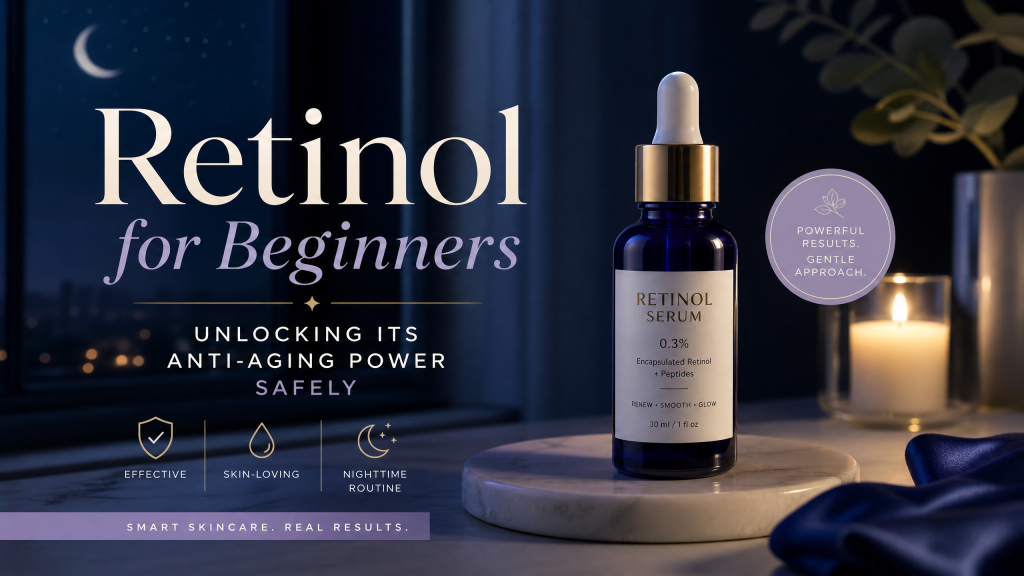
Retinol for Beginners: Unlocking Its Anti-Aging Power Safely
Jun
Retinol for Beginners: Unlocking Its Anti-Aging Power Safely
In the quest for timeless beauty and youthful skin, few ingredients have garnered as much attention and scientific backing as retinol. Heralded as a skincare superstar, retinol possesses an impressive ability to transform complexions, diminishing wrinkles, smoothing texture, and revitalizing radiance. However, for many newcomers, the world of retinol can seem daunting. Stories of redness, peeling, and irritation often create a barrier to entry, leaving potential users hesitant to embrace its power. But what if we told you that unlocking retinol’s incredible anti-aging benefits can be a safe, gentle, and incredibly rewarding journey, even for the most sensitive skin types?
This comprehensive guide is your essential roadmap to navigating the exciting realm of retinol. Designed specifically for beginners, we’ll demystify this potent ingredient, break down its science, highlight its profound benefits, and most importantly, equip you with the practical knowledge and confidence to integrate it into your routine safely and effectively. Say goodbye to guesswork and hello to a clearer, firmer, and more vibrant complexion. Your journey to youthful skin starts here.
What Exactly is Retinol? A Brief Science Lesson
Before diving into how to use retinol, it’s crucial to understand what it is and how it works. Retinol is a derivative of Vitamin A, an essential nutrient vital for various bodily functions, including skin health. It belongs to a broader family of compounds called retinoids, which include everything from over-the-counter retinol esters (like retinyl palmitate) to prescription-strength tretinoin (Retin-A).
At its core, retinol functions as a powerful cell-communicating ingredient. When applied to the skin, retinol is converted into retinoic acid – the active form that skin cells can directly use. This conversion process triggers a cascade of beneficial effects within the skin:
- Accelerated Cell Turnover: Retinol speeds up the rate at which skin cells renew themselves. This means old, dull skin cells are shed more rapidly, making way for fresh, new cells. This process is key to improving skin texture, tone, and radiance.
- Increased Collagen Production: Collagen is the structural protein that gives skin its firmness and elasticity. As we age, collagen production naturally declines, leading to wrinkles and sagging. Retinol stimulates fibroblasts, the cells responsible for producing collagen, helping to plump the skin and reduce the appearance of fine lines and wrinkles.
- Reduced Melanin Production: For those struggling with hyperpigmentation, dark spots, or sun damage, retinol can be a game-changer. It helps to inhibit the activity of melanocytes (cells that produce melanin), leading to a more even skin tone and faded discoloration.
- Unclogging Pores: By normalizing cell turnover within the hair follicles, retinol helps prevent dead skin cells from accumulating and clogging pores, making it an effective treatment for acne and blackheads.
Understanding these mechanisms helps clarify why retinol is such a versatile and highly effective ingredient, capable of addressing multiple skin concerns simultaneously.
The Transformative Benefits of Retinol
Retinol’s reputation as a skincare hero is well-earned, thanks to its extensive list of proven benefits. Incorporating this powerhouse ingredient into your routine can lead to remarkable improvements in skin health and appearance:
- Diminishes Fine Lines and Wrinkles: This is arguably retinol’s most celebrated benefit. By boosting collagen production and encouraging cell renewal, retinol effectively smooths out existing fine lines and reduces the depth of deeper wrinkles, restoring a more youthful look.
- Improves Skin Texture and Tone: The accelerated cell turnover not only reduces wrinkles but also refines the overall texture of the skin. Pores appear smaller, rough patches become smoother, and the skin takes on a more polished, even appearance. It also helps to normalize skin tone, making it look brighter and more uniform.
- Fights Acne and Breakouts: Retinol’s ability to regulate cell turnover and prevent clogged pores makes it a highly effective treatment for various forms of acne, including blackheads, whiteheads, and inflammatory breakouts. It can also help to reduce the frequency and severity of future flare-ups.
- Fades Hyperpigmentation and Dark Spots: Whether it’s post-inflammatory hyperpigmentation (dark spots left after acne), sun spots, or melasma, retinol helps to lighten and fade these areas of discoloration by inhibiting melanin production, revealing a clearer, more luminous complexion.
- Boosts Collagen and Elastin Production: Beyond just reducing existing wrinkles, retinol strengthens the skin’s foundation by actively promoting the synthesis of new collagen and elastin fibers. This contributes to increased skin firmness, elasticity, and overall resilience against future signs of aging.
- Enhances Skin Radiance: By removing dead, dull skin cells and promoting the growth of fresh, healthy ones, retinol unveils a brighter, more radiant complexion that truly glows from within.
These benefits aren’t instantaneous, but with consistent and correct use, retinol can deliver profound, long-lasting improvements that visibly transform your skin.
Starting Your Retinol Journey: The Golden Rules for Beginners
The key to successful retinol integration lies in a cautious and patient approach. Here are the golden rules every beginner should follow to minimize irritation and maximize benefits:
- Start Low, Go Slow: This is the cardinal rule. Begin with a low concentration of retinol (e.g., 0.01% to 0.03%) and use it infrequently. Start with just once or twice a week, allowing your skin to acclimate.
- Patch Test: Before applying retinol to your entire face, perform a patch test on a small, inconspicuous area (like behind your ear or on your inner forearm) for a few nights. This helps identify potential sensitivities.
- The “Retinol Sandwich” Method: For very sensitive skin, apply a thin layer of moisturizer first, then your retinol, and follow with another layer of moisturizer. This creates a buffer that can significantly reduce irritation.
- Nighttime Use Only: Retinol can increase skin sensitivity to the sun and degrades when exposed to UV light, making it less effective. Always apply it as part of your evening skincare routine.
- Sunscreen is Non-Negotiable: Because retinol makes your skin more sensitive to the sun, daily use of a broad-spectrum sunscreen with SPF 30 or higher is absolutely critical, even on cloudy days or when staying indoors. This protects your skin from damage and prevents undoing retinol’s benefits.
- Moisturize, Moisturize, Moisturize: Retinol can be drying. Pair it with a rich, hydrating moisturizer containing ingredients like ceramides, hyaluronic acid, and fatty acids to support your skin barrier and combat dryness.
- Be Patient: Retinol isn’t an overnight miracle. It takes time for skin cells to renew and for collagen to build. Expect to see initial results in 4-6 weeks, with more significant improvements around 3-6 months of consistent use.
- Avoid Other Strong Actives (Initially): When starting retinol, temporarily discontinue other potentially irritating ingredients like AHA/BHA acids, strong Vitamin C serums, or physical exfoliants. Once your skin has fully adjusted, you can gradually reintroduce them, but always on separate nights.
Adhering to these rules will help you navigate the initial “retinization” phase – a period where your skin adjusts, potentially experiencing mild dryness, redness, or flaking – with greater comfort.
Choosing Your First Retinol Product: A Beginner’s Buying Guide
The market is flooded with retinol products, which can make selection overwhelming for a beginner. Here’s what to look for when choosing your first retinol:
Concentration is Key
For beginners, opt for lower concentrations, typically ranging from 0.01% to 0.03%. Some products might list the ingredient as retinyl palmitate (the weakest form) or retinaldehyde (stronger than retinol but less irritating than prescription retinoids). Stick to true retinol in the lower percentages to start. Brands often indicate “beginner-friendly” or “gentle” on their packaging.
Formulation Matters
Retinol products come in various forms: serums, creams, and oils. Creams are generally more hydrating and soothing, making them an excellent choice for beginners or those with dry/sensitive skin. Serums can be lighter and absorb quickly, while oils offer a rich, nourishing base. Choose a texture that feels comfortable and integrates well with your existing routine.
Packaging for Stability
Retinol is notoriously unstable and degrades when exposed to light and air. Look for products packaged in opaque, airtight containers (pumps or tubes) rather than clear jars or dropper bottles. This ensures the ingredient remains potent and effective throughout its shelf life.
Look for Supportive Ingredients
Many retinol formulations designed for beginners include complementary ingredients that help mitigate potential irritation and support skin health. Seek out products containing:
- Hyaluronic Acid: A powerful humectant that draws moisture into the skin, combating dryness.
- Ceramides: Essential lipids that strengthen the skin barrier, reducing moisture loss and sensitivity.
- Niacinamide (Vitamin B3): Helps calm inflammation, reduce redness, and improve overall skin barrier function.
- Glycerin: Another excellent humectant for hydration.
Ingredients to Potentially Avoid (Initially)
While your skin is adjusting to retinol, you might want to temporarily avoid products with high concentrations of:
- Fragrance and Essential Oils: Can be irritating for sensitive skin.
- Alcohol denat: Can be drying and exacerbate irritation.
- Harsh physical exfoliants: Could over-exfoliate already sensitive skin.
Always read product labels carefully and remember that even gentle formulations can cause initial sensitivity. Patience and consistency are your greatest allies.
Navigating Potential Side Effects and How to Mitigate Them
The initial adjustment period to retinol, often called “retinization,” can come with some common, usually temporary, side effects. Understanding these and knowing how to manage them will help you stick with your routine:
Redness, Dryness, and Flaking
These are the most common signs that your skin is adapting to retinol. Your skin might feel tighter, look a bit pinker, and you might notice small flakes of skin, especially around the mouth and nose. This is generally a sign of increased cell turnover and a healthy adjustment process, not necessarily damage.
Mitigation:
- Reduce frequency: If irritation is severe, cut back to once a week or take a break for a few days until your skin calms down.
- Increase hydration: Apply a rich, occlusive moisturizer immediately after retinol, or use the “retinol sandwich” method.
- Support barrier: Look for moisturizers with ceramides and cholesterol to rebuild your skin’s protective barrier.
- Avoid hot water: Use lukewarm water when cleansing and avoid harsh scrubbing.
Increased Sensitivity to Sun
As mentioned, retinol makes your skin more vulnerable to UV radiation. Sunburn can not only be painful but can also worsen hyperpigmentation and negate retinol’s anti-aging benefits.
Mitigation:
- Daily, consistent use of SPF 30+ broad-spectrum sunscreen is paramount. Reapply every two hours when outdoors.
- Wear hats and seek shade during peak sun hours.
Purging vs. Breakouts
Some individuals may experience a “purging” phase, where they temporarily break out more than usual. This happens because retinol speeds up cell turnover, bringing existing underlying clogged pores to the surface more quickly. This usually lasts for a few weeks (2-6 weeks) and then subsides.
Mitigation:
- It’s important to differentiate purging from an actual adverse reaction or new breakouts. Purging occurs in areas where you typically experience breakouts.
- Continue with your retinol routine unless the breakouts are severe, painful, or occur in new areas.
- Focus on gentle cleansing and hydration during this phase.
When to See a Professional
If you experience extreme burning, persistent redness, blistering, or an allergic reaction (e.g., hives, severe swelling), stop using the product immediately and consult a dermatologist. While retinization is normal, severe reactions are not.
Most beginners find that mild side effects are manageable with adjustments to their routine and gradually subside as their skin builds tolerance.
Beyond the Basics: Advanced Retinol Tips and Common Misconceptions
Once you’ve mastered the beginner phase, you might start thinking about next steps or have lingering questions. Here are some advanced tips and clarifications:
When to Increase Strength or Frequency
After 3-6 months of consistent use with a low-strength retinol, if your skin is tolerating it well (no redness, flaking, or irritation), you can consider gradually increasing either the concentration (e.g., from 0.025% to 0.05%) or the frequency (e.g., from every other night to nightly). Do not do both at once. Always proceed slowly and observe your skin’s reaction.
Combining with Other Actives
Once your skin is fully accustomed to retinol, you can carefully reintroduce other actives:
- Vitamin C: Best used in the morning for antioxidant protection.
- Hyaluronic Acid & Niacinamide: Excellent companions that can be used alongside retinol to boost hydration and soothe skin.
- AHA/BHA Acids: Use on alternate nights from retinol. Avoid using them together, especially if you have sensitive skin, to prevent over-exfoliation.
Always listen to your skin and if irritation occurs, simplify your routine.
Retinol and the Eye Area
Many wonder if retinol can be used around the delicate eye area. Yes, it can! Just choose an eye cream specifically formulated with a gentle retinol or a lower concentration. Apply sparingly and avoid direct contact with the eyelids or lash line.
Retinol Purging vs. Allergic Reaction
A retinol purge looks like typical acne breakouts in areas you normally break out, lasting a few weeks. An allergic reaction typically involves widespread redness, itching, swelling, or hives in areas you don’t usually break out, and it doesn’t improve with time. Stop use immediately if you suspect an allergic reaction.
The Rise of Bakuchiol
For those who find retinol too irritating or cannot use it (e.g., during pregnancy/breastfeeding – consult your doctor), Bakuchiol is a plant-derived ingredient often touted as a “natural retinol alternative.” It offers some similar benefits without the same level of irritation, making it a good option for highly sensitive skin or as a temporary substitute.
Remember that skincare is a journey, and consistent, informed use is key to achieving and maintaining desired results.
Frequently Asked Questions (FAQ) About Retinol for Beginners
Is retinol safe for sensitive skin?
Yes, retinol can be safe for sensitive skin, but it requires a very cautious approach. Start with the lowest possible concentration (0.01% or even less, if available) and use it only once a week. The “retinol sandwich” method (moisturizer, retinol, moisturizer) is highly recommended. Look for formulations specifically designed for sensitive skin, often containing soothing ingredients like ceramides and niacinamide.
How long until I see results from retinol?
Patience is crucial with retinol. You might start seeing subtle improvements in texture and radiance within 4-6 weeks. More significant anti-aging benefits, such as a reduction in fine lines and hyperpigmentation, typically become visible after 3-6 months of consistent use. Full results can take up to a year or more.
Can I use retinol during pregnancy or breastfeeding?
No. Most dermatologists and medical professionals advise against using retinol and other retinoids during pregnancy and breastfeeding due to potential risks to the baby. If you are pregnant, planning to become pregnant, or breastfeeding, consult your doctor for safe alternatives and immediately discontinue retinol use.
Do I need a prescription for retinol?
Over-the-counter retinol products are widely available and do not require a prescription. These typically contain lower concentrations of retinol or its esters. Stronger retinoids, such as tretinoin (Retin-A), tazarotene, and adapalene (which is now OTC for acne but stronger than retinol), require a prescription from a dermatologist.
What’s the difference between retinol and retinoids?
Retinoids are a broad class of vitamin A derivatives, and retinol is just one type of retinoid. The term “retinoid” encompasses everything from gentler, over-the-counter forms like retinyl palmitate and retinol to stronger, prescription-only forms like tretinoin. All retinoids ultimately convert to retinoic acid in the skin to exert their effects, but they differ in potency and conversion steps.
Can I use retinol every night from the start?
No, absolutely not. Using retinol every night from the very beginning is a common mistake that almost guarantees irritation, redness, and peeling. For beginners, start with just one or two nights a week, and gradually increase frequency as your skin builds tolerance. It might take several months before your skin can comfortably handle nightly application, if ever.
Conclusion
Retinol is undeniably one of the most powerful and effective ingredients available for targeting signs of aging and improving overall skin health. While its potency can seem intimidating at first, approaching it with knowledge, patience, and a commitment to safe practices will unlock its incredible potential for your complexion. Remember to “start low, go slow,” prioritize daily sun protection, and support your skin barrier with ample hydration.
Embracing retinol is a journey, not a sprint. There might be an initial adjustment phase, but by following the guidelines outlined in this article, you can minimize discomfort and pave the way for remarkable results. With consistent and careful application, you’ll soon be enjoying firmer, smoother, clearer, and more radiant skin that truly reflects a youthful vitality. Get ready to confidently unveil your best skin yet – safely and effectively.
