Post
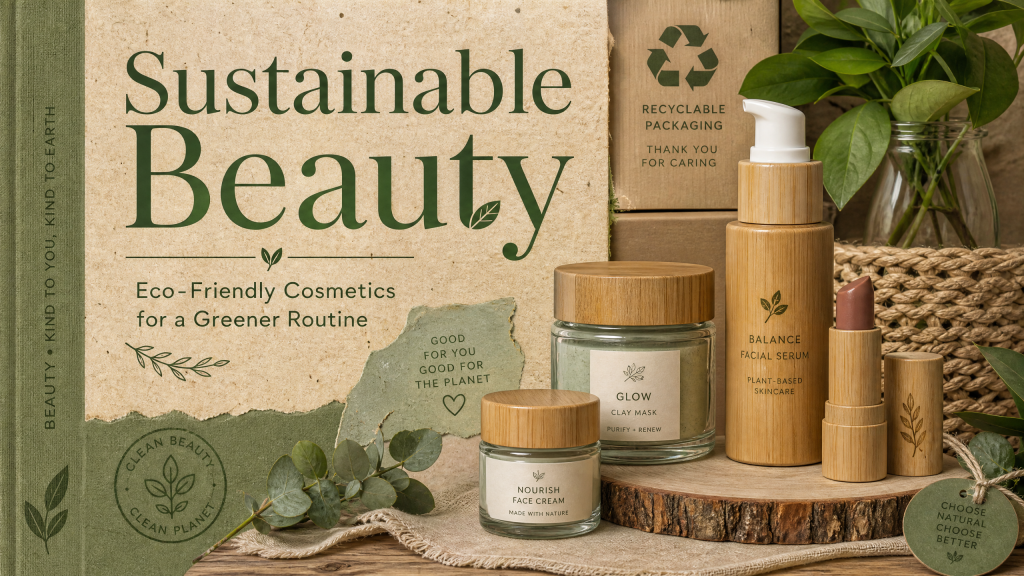
Sustainable Beauty: Eco-Friendly Cosmetics for a Greener Routine
Jun
Sustainable Beauty: Eco-Friendly Cosmetics for a Greener Routine
In an era where environmental consciousness is no longer an option but a necessity, the beauty industry is undergoing a profound transformation. Consumers are increasingly seeking products that not only enhance their natural glow but also align with their values of sustainability and ethical responsibility. This shift has given rise to the vibrant movement of sustainable beauty and eco-friendly cosmetics – a commitment to a greener routine that benefits both your well-being and the planet.
Gone are the days when “natural” was merely a buzzword. Today, sustainable beauty encompasses a holistic approach, from the ingredients sourced to the packaging discarded, and every step in between. It’s about making mindful choices that reduce our ecological footprint, support ethical practices, and promote a healthier future for all. Join us as we delve into the world of eco-friendly cosmetics, exploring what it truly means, its undeniable benefits, and how you can seamlessly integrate it into your daily life.
Understanding Sustainable Beauty and Its Environmental Impact
Sustainable beauty is more than just a trend; it’s a philosophy that reimagines the entire lifecycle of a beauty product. It goes beyond organic ingredients, considering every aspect of production and consumption. At its core, it’s about minimizing environmental harm, conserving resources, and ensuring social equity. This commitment addresses several critical issues:
Plastic Waste and Pollution
The beauty industry is a significant contributor to plastic pollution, with millions of tons of plastic packaging ending up in landfills and oceans each year. Many conventional products are encased in single-use plastics that take hundreds of years to decompose, fragmenting into microplastics that infiltrate ecosystems and food chains.
Unsustainable Ingredient Sourcing
The cultivation and extraction of certain beauty ingredients can lead to deforestation, habitat destruction, soil degradation, and excessive water consumption. Think about palm oil, for example, which is widely used but often linked to unsustainable practices in rainforest regions.
Chemical Runoff and Water Contamination
Many conventional beauty products contain synthetic chemicals, parabens, sulfates, and phthalates. When washed down the drain, these substances can enter water systems, posing threats to aquatic life and potentially impacting human health.
Carbon Footprint
From manufacturing processes that rely on fossil fuels to global transportation of raw materials and finished products, the beauty industry has a considerable carbon footprint. Sustainable brands strive to reduce emissions at every stage.
Ethical and Social Considerations
Sustainable beauty also extends to ethical labor practices, fair wages for workers, and avoiding animal testing. It’s about transparency and ensuring that the hands involved in creating your products are treated with respect and dignity.
By understanding these impacts, we can appreciate why choosing eco-friendly cosmetics is a powerful step towards mitigating environmental damage and fostering a more equitable world.
Key Pillars of Eco-Friendly Cosmetics
What makes a beauty product truly sustainable? It’s a combination of commitments across various fronts:
Conscious Ingredient Sourcing
Eco-friendly brands prioritize natural, organic, and plant-based ingredients that are sustainably harvested, biodegradable, and non-toxic. This often includes fair-trade ingredients, ensuring that local communities benefit directly from their cultivation. They avoid petrochemicals, synthetic fragrances, and known irritants, opting for ingredients that are safe for both your skin and the environment.
Innovative and Responsible Packaging
This is a cornerstone of sustainable beauty. Brands are moving away from virgin plastic towards solutions like:
- Recyclable Materials: Glass, aluminum, post-consumer recycled (PCR) plastic.
- Refillable Systems: Allowing consumers to purchase product refills in minimal packaging, reducing waste.
- Biodegradable Packaging: Materials that naturally decompose without leaving harmful residues.
- Plastic-Free Options: Solid bars for shampoos, conditioners, and lotions; cardboard packaging.
- Minimalist Design: Reducing unnecessary boxes, inserts, and excess materials.
Ethical Manufacturing Processes
Sustainable production facilities often use renewable energy sources, implement water-saving techniques, and have robust waste reduction programs. They aim for a closed-loop system where waste is minimized or repurposed, and their carbon emissions are offset or reduced.
Transparency and Certifications
Truly sustainable brands are open about their supply chains, ingredients, and manufacturing practices. They often seek certifications from reputable third-party organizations that verify their claims regarding organic status, cruelty-free practices, fair trade, and environmental responsibility.
Cruelty-Free and Vegan Formulations
Many eco-friendly brands are also cruelty-free, meaning their products and ingredients are never tested on animals. Vegan products go a step further by ensuring no animal-derived ingredients (like beeswax, carmine, or lanolin) are used.
The Multifaceted Benefits of Embracing Sustainable Beauty
Switching to eco-friendly cosmetics offers a wealth of advantages, impacting your personal health, the environment, and global communities.
Benefits for Your Skin and Health
Sustainable products often feature fewer harsh chemicals, synthetic additives, and potential irritants. This means a reduced risk of allergic reactions, skin sensitivities, and exposure to endocrine disruptors. Natural and organic ingredients are often richer in vitamins, antioxidants, and essential nutrients, leading to healthier, more balanced skin over time.
Benefits for the Planet
Every sustainable beauty choice contributes to a larger positive impact:
- Reduced Waste: Less plastic pollution in landfills and oceans.
- Conservation of Resources: Less water used, fewer chemicals released into soil and water systems.
- Lower Carbon Footprint: Reduced greenhouse gas emissions from production and transportation.
- Biodiversity Protection: Sustainable sourcing practices help protect ecosystems and endangered species.
Benefits for Society and Ethics
By supporting sustainable brands, you are:
- Promoting Ethical Labor: Many sustainable brands adhere to fair trade principles, ensuring workers are paid fair wages and work in safe conditions.
- Supporting Animal Welfare: Choosing cruelty-free products helps end animal testing in the beauty industry.
- Encouraging Corporate Responsibility: Your purchasing power encourages more companies to adopt sustainable and ethical business models.
Potential Long-Term Savings
While some eco-friendly products might have a higher upfront cost, many are designed to be concentrated or come in refillable formats, potentially saving you money in the long run. Plus, investing in healthier ingredients can reduce the need for corrective treatments down the line.
Decoding Labels: A Buying Guide for Eco-Conscious Consumers
Navigating the world of sustainable beauty can sometimes feel overwhelming due to complex labels and clever marketing. Here’s how to become an informed buyer:
Look for Reputable Certifications
Certifications from third-party organizations are strong indicators of a product’s integrity:
- USDA Organic / Ecocert: For organic ingredients.
- Leaping Bunny / PETA Cruelty-Free: Guarantees no animal testing.
- Vegan Society / PETA Vegan: Ensures no animal-derived ingredients.
- B Corp: Certifies that a company meets high standards of verified performance, accountability, and transparency on factors from employee benefits and charitable giving to supply chain practices and input materials.
- EWG Verified: Indicates products free from EWG’s chemicals of concern and adherence to strict health standards.
Understand “Greenwashing”
Be wary of brands that use vague terms like “natural,” “eco-friendly,” or “green” without any specific certifications or transparent information. This is called greenwashing – marketing designed to make products seem more environmentally friendly than they are. Always dig deeper than the surface claim.
Read Ingredient Lists Carefully
Educate yourself on ingredients to avoid, such as:
- Parabens: (e.g., methylparaben, propylparaben) – preservatives linked to endocrine disruption.
- Sulfates: (e.g., SLS, SLES) – harsh detergents that can strip skin and hair.
- Phthalates: (often hidden in “fragrance”) – linked to hormonal issues.
- Synthetic Fragrances: Can contain hundreds of undisclosed chemicals.
- Microbeads/Microplastics: Tiny plastic particles used in exfoliants, which pollute oceans.
- PEGs: Petroleum-based compounds.
- Formaldehyde-releasing preservatives: Can be skin irritants.
Prioritize products with shorter ingredient lists and recognizable plant-based names.
Research Brand Ethics and Transparency
Visit the brand’s website. Do they openly discuss their sourcing, manufacturing, and sustainability initiatives? Do they have a clear mission statement beyond just selling products? Look for annual impact reports or details on their ethical supply chain.
Consider Packaging
Opt for products in glass, aluminum, cardboard, or post-consumer recycled plastic. Better yet, choose refillable options or solid bars that come with minimal or no packaging.
Practical Tips for a Greener Beauty Routine Transition
Transitioning to a sustainable beauty routine doesn’t have to happen overnight. Small, consistent steps can lead to significant change.
Start Small and Gradually Replace
Don’t overhaul your entire routine at once. As products run out, replace them with eco-friendly alternatives. Begin with items you use daily, like cleanser, moisturizer, or deodorant.
Use What You Already Have
The most sustainable product is the one you already own. Don’t throw away perfectly good products just because they aren’t “eco-friendly.” Finish them before making new, conscious purchases.
Embrace Multipurpose Products
Simplify your routine by choosing products that serve multiple functions. A facial oil can act as a moisturizer, serum, and makeup remover. A tinted balm can be used on lips and cheeks.
Explore Solid Formulations
Shampoo bars, conditioner bars, solid lotions, and deodorant sticks are excellent zero-waste alternatives to their liquid counterparts, which typically come in plastic bottles.
Consider DIY Beauty (Simple Recipes)
For simple items, you can create your own. A sugar scrub with coconut oil, an apple cider vinegar toner, or a baking soda and cornstarch dry shampoo are easy, effective, and completely natural options.
Properly Dispose of Empties
Understand your local recycling guidelines. Clean out containers before recycling. Some brands offer take-back programs for their empties, ensuring they are properly recycled or upcycled.
Reduce Consumption and Practice Mindful Shopping
Ask yourself if you truly need a new product before buying. Avoid impulse purchases. A minimalist approach to beauty can reduce waste and save money.
Switch to Reusable Accessories
Replace disposable cotton pads and makeup wipes with reusable alternatives like bamboo pads or washable microfiber cloths. Invest in a safety razor instead of disposable plastic ones.
Frequently Asked Questions About Sustainable Beauty
Q1: Is sustainable beauty more expensive than conventional beauty?
A: Not necessarily. While some highly specialized or certified organic products might have a higher upfront cost, many eco-friendly brands offer competitive pricing. Moreover, concentrated formulas, refillable systems, and multi-purpose products can often lead to long-term savings. You’re also paying for quality ingredients, ethical sourcing, and responsible production, which offers greater value.
Q2: How do I know if a product is truly eco-friendly and not just greenwashing?
A: Look beyond marketing claims. Seek out third-party certifications (e.g., Leaping Bunny, USDA Organic, B Corp). Check the brand’s website for transparency reports, ingredient sourcing details, and their sustainability mission. Read ingredient lists to identify harmful chemicals, and assess the packaging for genuine recyclable, refillable, or compostable materials.
Q3: Do sustainable beauty products have a shorter shelf life without harsh preservatives?
A: Many sustainable products use natural preservatives (like vitamin E, rosemary extract, or essential oils) or innovative formulations to maintain stability. While some might have a slightly shorter shelf life than highly preserved conventional products, reputable brands will clearly state the “period after opening” (PAO) symbol. Proper storage (cool, dark place) also helps extend their efficacy.
Q4: Can men also embrace sustainable beauty routines?
A: Absolutely! Sustainable beauty is for everyone. Many eco-friendly brands offer gender-neutral products or specific ranges for men, including shaving creams, beard oils, moisturizers, and solid bar soaps that align with sustainable principles. The core principles of natural ingredients, ethical sourcing, and reduced waste are universal.
Q5: What’s the biggest single impact I can make when transitioning to sustainable beauty?
A: Reducing plastic waste is arguably one of the most significant impacts. By prioritizing products with refillable packaging, opting for solid bars, or choosing products in glass and aluminum, you can dramatically cut down on your contribution to plastic pollution. Additionally, researching and supporting brands with genuinely ethical supply chains also creates a powerful ripple effect.
Embracing a Greener Future, One Product at a Time
The journey to a sustainable beauty routine is a testament to our growing awareness and collective desire for a healthier planet. It’s a powerful statement that beauty doesn’t have to come at the expense of the environment or ethical integrity. By making informed choices, seeking out transparent brands, and gradually incorporating eco-friendly alternatives, you contribute to a movement that champions conscious consumption and responsible living.
Remember, every small step makes a difference. Whether it’s switching to a shampoo bar, choosing a moisturizer in a refillable glass jar, or simply educating yourself on harmful ingredients, your actions have an impact. Sustainable beauty is not about perfection; it’s about progress. It’s about nurturing your skin with wholesome ingredients while simultaneously nurturing the world around us. Start your greener routine today and become a part of the beautiful change.
“`
