Post
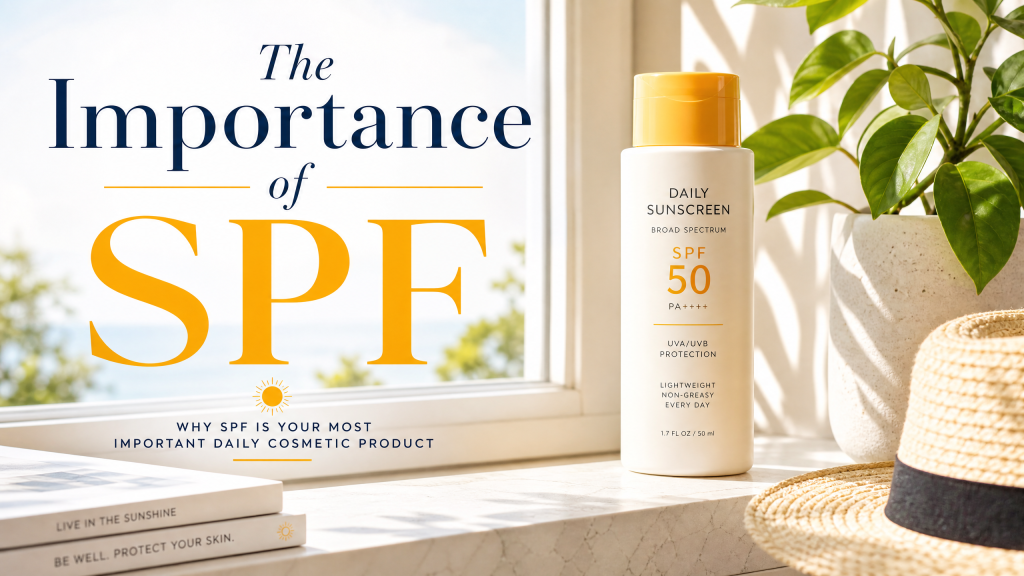
Why SPF Is Your Most Important Daily Cosmetic Product
Jun
Why SPF Is Your Most Important Daily Cosmetic Product
Introduction: Unveiling the True Foundation of Beauty
In the expansive universe of skincare and cosmetics, countless products vie for our attention, promising miraculous transformations from anti-aging serums to brightening creams. Yet, amidst this dazzling array, one humble product stands out not just as important, but as absolutely foundational: SPF. Often relegated to beach days or forgotten entirely on cloudy mornings, SPF (Sun Protection Factor) is far more than just a seasonal shield; it is, without hyperbole, your most important daily cosmetic product. Think of it not as an optional add-on, but as the invisible, non-negotiable armor that safeguards your skin’s health, vitality, and youthful appearance every single day. Just as you wouldn’t leave home without brushing your teeth or putting on clothes, integrating SPF into your daily regimen is a crucial act of self-care that prevents a multitude of skin concerns before they even begin. This article will delve into why SPF deserves its prime position in your daily routine, exploring its unparalleled benefits, demystifying its science, and providing practical guidance to ensure your skin remains radiant and protected for years to come.
The Unseen Threat: Understanding UV Radiation and Its Pervasive Reach
To truly appreciate the power of SPF, we must first understand the adversary it combats: ultraviolet (UV) radiation. This invisible energy, emanating primarily from the sun, is categorized into three main types: UVA, UVB, and UVC. While UVC rays are largely absorbed by the Earth’s ozone layer, UVA and UVB rays penetrate our atmosphere and reach our skin, silently orchestrating damage.
UVA Rays: The Silent Agers
- UVA rays constitute about 95% of the UV radiation that reaches the Earth’s surface. These rays have a longer wavelength, allowing them to penetrate deeper into the skin’s dermis layer, where collagen and elastin fibers reside. UVA rays are present with relatively equal intensity during all daylight hours throughout the year, and they can even penetrate clouds and glass. Their primary role in skin damage is insidious and long-term, contributing significantly to premature aging – think wrinkles, fine lines, sagging skin, and age spots. They also play a substantial role in the development of skin cancers.
UVB Rays: The Burning Culprits
- UVB rays, with their shorter wavelength, primarily affect the skin’s outermost layer, the epidermis. These are the rays most responsible for sunburn and direct DNA damage, and their intensity varies by season, time of day, and geographical location. While they are the main cause of painful sunburns, they are also a primary contributor to most skin cancers, including melanoma.
The crucial takeaway is that both UVA and UVB rays are harmful, and skin exposure to either type, even for short periods, accumulates over a lifetime. This cumulative damage is precisely why daily, consistent SPF application is not just recommended, but essential. It’s not just about avoiding a sunburn today; it’s about safeguarding your skin from the unseen, relentless assault of UV radiation that constantly threatens its health and appearance, regardless of the weather or your immediate outdoor plans.
Beyond Sunburn: The Long-Term Damage SPF Prevents
Many people associate sunscreen solely with preventing sunburns on sunny days. However, the protective umbrella of daily SPF extends far beyond this immediate discomfort, safeguarding your skin from a myriad of long-term and often irreversible forms of damage.
Premature Aging (Photoaging)
- This is arguably the most visible and widespread consequence of unprotected sun exposure. Chronic UVA radiation breaks down collagen and elastin, the proteins responsible for keeping skin firm and elastic. The result? Accelerated development of wrinkles, fine lines, skin laxity, and a leathery texture. Daily SPF acts as a shield, preserving your skin’s structural integrity and keeping it looking youthful for longer.
Hyperpigmentation and Uneven Skin Tone
- Sun exposure stimulates melanin production, leading to various forms of hyperpigmentation. This includes sunspots (solar lentigines), age spots, and the exacerbation of conditions like melasma. Daily SPF is your best defense against these unwelcome dark patches, helping to maintain a clear, even complexion and preventing existing spots from worsening.
Reduced Skin Elasticity and Sagging
- The degradation of collagen and elastin caused by UV rays doesn’t just create wrinkles; it also leads to a significant loss of skin elasticity. Over time, this results in sagging skin, particularly around the jawline and neck, contributing to a tired and aged appearance. Consistent SPF use helps maintain your skin’s bounce and firmness.
Weakened Skin Barrier Function
- Chronic UV exposure can compromise the skin’s natural barrier, making it more vulnerable to environmental aggressors, dehydration, and irritation. A healthy skin barrier is crucial for moisture retention and protection against pathogens. SPF helps maintain this vital barrier, contributing to overall skin health and resilience.
Increased Risk of Skin Cancer
- This is the most critical and life-threatening consequence of unprotected sun exposure. UV radiation causes DNA damage in skin cells, which can lead to the development of skin cancers, including basal cell carcinoma, squamous cell carcinoma, and the deadliest form, melanoma. Daily SPF significantly reduces your risk of developing these cancers, making it a powerful tool for disease prevention and a paramount health investment.
By making SPF a daily habit, you are not just investing in your beauty; you are investing in your long-term skin health, preventing not only cosmetic concerns but potentially life-threatening diseases. This proactive approach is infinitely more effective and less costly than attempting to reverse damage once it has occurred.
The Multitude of Benefits: Why SPF Reigns Supreme
Beyond preventing damage, the daily application of SPF offers an impressive array of tangible benefits that elevate its status to the pinnacle of skincare essentials.
Preserves Youthful Appearance
- This is perhaps the most widely recognized cosmetic benefit. By blocking the UV rays that accelerate collagen and elastin breakdown, SPF effectively slows down the aging process, delaying the onset of wrinkles, fine lines, and sagging. It’s your personal time machine for your skin, maintaining its firmness and smoothness.
Maintains Even Skin Tone and Clarity
- UV radiation is the primary trigger for hyperpigmentation issues like sunspots, age spots, and melasma. Consistent SPF use prevents the formation of new dark spots and helps existing ones from worsening, contributing to a brighter, more uniform complexion. It’s an indispensable ally for anyone battling discoloration.
Significantly Reduces Skin Cancer Risk
- This is a non-negotiable health benefit. By shielding your skin’s DNA from damaging UV radiation, daily SPF dramatically lowers your chances of developing basal cell carcinoma, squamous cell carcinoma, and melanoma. This benefit alone makes SPF a life-saving daily habit.
Supports Skin Barrier Function
- A healthy skin barrier is crucial for protecting your skin from environmental aggressors and retaining moisture. UV radiation can compromise this barrier, leading to dryness, sensitivity, and increased vulnerability. SPF helps to maintain the integrity of your skin barrier, promoting overall skin resilience and comfort.
Enhances Efficacy of Other Skincare Products
- Many active ingredients in skincare, such as retinoids, AHAs, and vitamin C, can increase sun sensitivity or become less effective when exposed to UV light. By using SPF, you protect these valuable ingredients and allow them to work optimally, ensuring you get the most out of your entire skincare regimen. It safeguards your investment in other products.
Minimizes Redness and Inflammation
- For those with sensitive skin, rosacea, or acne, UV exposure can exacerbate redness and inflammation. SPF acts as a calming barrier, reducing the skin’s inflammatory response to sun exposure and helping to maintain a more even, comfortable complexion.
Prevents Immune System Suppression
- Prolonged UV exposure can actually suppress the skin’s local immune system, making it less effective at fighting off infections and increasing the risk of certain skin cancers. SPF helps preserve your skin’s immune defenses, ensuring it remains robust and healthy.
In essence, SPF is not just a reactive measure; it’s a proactive investment that compounds over time, yielding dividends in the form of healthy, youthful, and vibrant skin. It is the cornerstone upon which all other skincare efforts should be built.
Debunking Myths: Common SPF Misconceptions
Despite its critical importance, SPF is often shrouded in misconceptions that prevent consistent and effective use. Let’s shine a light on these common myths.
“I Don’t Need SPF on Cloudy Days or Indoors.”
- Myth Busted: Up to 80% of the sun’s UV rays can penetrate clouds. And while glass blocks most UVB rays, UVA rays, which cause aging, can still pass through windows in your home, office, and car. If you’re near a window, you’re exposed. Daily, year-round application is essential.
“My Makeup with SPF Is Enough Protection.”
- Myth Busted: While makeup formulated with SPF offers some protection, it’s rarely enough. For adequate coverage, you’d need to apply seven times the amount of foundation or powder you typically use. Always apply a dedicated SPF product as the last step in your skincare before makeup, and ensure it’s broad-spectrum with at least SPF 30.
“People with Darker Skin Tones Don’t Need SPF.”
- Myth Busted: While darker skin contains more melanin, offering a natural SPF of up to 13, it is by no means immune to sun damage or skin cancer. All skin tones can burn, age prematurely, develop hyperpigmentation, and most importantly, get skin cancer. SPF is crucial for everyone, regardless of skin color.
“SPF Prevents Vitamin D Absorption.”
- Myth Busted: Studies have shown that regular, daily use of sunscreen does not lead to vitamin D deficiency. Most people get sufficient vitamin D from incidental sun exposure (e.g., walking to your car) or through diet and supplements, even when consistently using SPF. The health risks of unprotected sun exposure far outweigh any minimal impact on vitamin D synthesis.
“A Higher SPF Means I Don’t Need to Reapply.”
- Myth Busted: An SPF of 50 doesn’t mean you can stay out 50 times longer than without protection. It offers slightly more blockage than SPF 30 (98% vs. 97%), but its effectiveness diminishes over time due to sweat, water, rubbing, and natural degradation. All sunscreens, regardless of SPF number, should be reapplied at least every two hours, or immediately after swimming or excessive sweating.
“I Only Need Sunscreen When I’m Actively Outdoors.”
- Myth Busted: Incidental sun exposure—short bursts of sun while running errands, commuting, or sitting near a window—accounts for a significant portion of cumulative UV damage over a lifetime. It’s the daily, small exposures that add up and lead to premature aging and skin cancer risk. This is why daily SPF is paramount.
Understanding and dispelling these myths is crucial for adopting an effective and consistent SPF routine, ensuring your skin receives the protection it truly needs every day.
Your Ultimate SPF Buying Guide: Choosing the Right Protection
Navigating the vast array of SPF products can be daunting, but armed with the right knowledge, you can select the perfect protector for your skin. Here’s what to look for:
The SPF Number: What It Means
- The SPF number indicates how long it would take for UVB rays to redden your skin with sunscreen compared to without. An SPF 30 blocks approximately 97% of UVB rays, while SPF 50 blocks about 98%. Beyond SPF 50, the increase in protection is minimal. For daily use, a broad-spectrum SPF 30 or higher is recommended. Don’t be fooled into thinking higher SPF means longer wear without reapplication; all SPFs need regular reapplication.
Broad-Spectrum Protection: A Non-Negotiable
- Always look for the term “Broad-Spectrum” on the label. This signifies that the product protects against both UVA (aging) and UVB (burning) rays. Without broad-spectrum protection, you’re only getting half the defense.
Physical (Mineral) vs. Chemical Filters
- Physical Sunscreens (Mineral): Contain active mineral ingredients like Zinc Oxide and/or Titanium Dioxide. They work by creating a physical barrier on the skin’s surface that reflects and scatters UV rays.
- Pros: Generally gentler for sensitive skin, immediate protection upon application, good for children, less likely to clog pores.
- Cons: Can sometimes leave a white cast, may feel thicker. Modern formulations have significantly improved in aesthetics.
- Chemical Sunscreens: Contain organic compounds such as Oxybenzone, Avobenzone, Octinoxate, Octisalate, Homosalate, etc. They work by absorbing UV rays and converting them into heat, which is then released from the skin.
- Pros: Tend to be lighter in texture, spread easily, no white cast, often formulated with other skincare benefits.
- Cons: May cause irritation for very sensitive skin, needs about 15-20 minutes to become effective after application, some ingredients are controversial for environmental or health concerns (though most are deemed safe by regulatory bodies).
- Recommendation: The best sunscreen is the one you will use consistently. If you have sensitive skin, mineral might be a better starting point.
Consider Your Skin Type and Concerns
- Oily/Acne-Prone: Look for “non-comedogenic,” “oil-free,” or “matte finish” formulas. Gels or fluid lotions are often preferred.
- Dry Skin: Opt for hydrating creams or lotions with ingredients like hyaluronic acid or ceramides to provide extra moisture.
- Sensitive Skin: Mineral sunscreens (zinc oxide, titanium dioxide) are usually the safest bet. Avoid fragrances and alcohol.
- Mature Skin: Look for formulas with added antioxidants (Vitamin C, E) or peptides to provide extra anti-aging benefits.
Formulation and Application Preference
- Sunscreens come in various forms: creams, lotions, gels, sticks, and sprays. Creams are great for dry skin, gels for oily skin, sticks for targeted application (ears, nose), and sprays for body reapplication (ensure even coverage and avoid inhaling). Choose a texture you enjoy applying, as this increases the likelihood of consistent use.
Water Resistance
- If you’re swimming, sweating heavily, or engaging in intense outdoor activities, choose a water-resistant (40 minutes) or very water-resistant (80 minutes) formula. Remember, “waterproof” sunscreens don’t exist.
By keeping these factors in mind, you can confidently select an SPF product that not only offers superior protection but also integrates seamlessly into your daily routine, enhancing your skin’s health and beauty.
Practical Tips for Everyday SPF Application
Applying SPF correctly is just as important as choosing the right product. Here’s how to make it an effective, effortless part of your daily ritual:
Apply Generously
- Most people under-apply sunscreen. For your face alone, aim for at least a nickel-sized dollop or roughly half a teaspoon. For the entire body, you’ll need a shot glass full. Err on the side of using more rather than less to ensure you’re getting the stated SPF protection.
Don’t Forget Vulnerable Areas
- While the face is often prioritized, other exposed areas are equally susceptible to sun damage. Remember to apply SPF to your neck, décolletage, ears (front and back), hands, and any other skin not covered by clothing. These areas are often overlooked but show signs of aging just as readily.
Apply as the Last Step in Skincare, Before Makeup
- Your SPF should be the final step in your morning skincare routine, after serums and moisturizers, but before any makeup application. This allows it to form an effective protective layer on top of your skincare. If you’re using a mineral sunscreen, apply it last to sit on top of the skin; chemical sunscreens need to absorb slightly so they can be applied before moisturizer if preferred by the product instructions.
Allow Time for Absorption (Especially Chemical Sunscreens)
- If using a chemical sunscreen, wait about 15-20 minutes after application before going outdoors to allow it to fully absorb and become effective. Mineral sunscreens offer immediate protection.
Reapply, Reapply, Reapply!
- This is crucial. Sunscreen’s effectiveness diminishes over time. Reapply every two hours when outdoors, or more frequently after swimming, sweating heavily, or towel drying. Even if you’re mostly indoors but near windows, a mid-day reapplication can be beneficial, especially if your morning application was light.
Consider Multiple Layers or Formulations
- For added protection, you can layer SPF. For instance, a dedicated SPF cream, followed by a tinted moisturizer or foundation with SPF. Just remember that the SPF numbers don’t add up; you only get the protection of the highest SPF product applied correctly.
Year-Round, Rain or Shine
- Embrace SPF as a daily, year-round habit. UV rays are present every day, regardless of season, temperature, or cloud cover. Make it as automatic as brushing your teeth.
Accessorize for Extra Protection
- While SPF is paramount, it’s part of a holistic sun protection strategy. Supplement your SPF with wide-brimmed hats, UV-protective sunglasses, and UPF (Ultraviolet Protection Factor) clothing, especially during peak sun hours (10 AM to 4 PM).
By integrating these practical tips into your daily life, you’ll not only maximize the efficacy of your SPF but also make sun protection a seamless and enjoyable part of your routine, ensuring your skin remains healthy, vibrant, and protected.
Frequently Asked Questions (FAQ) About SPF
What is the minimum SPF I should use daily?
- For daily, incidental exposure, a broad-spectrum SPF 30 is generally recommended. If you have a history of skin cancer, hyperpigmentation, or spend extended periods outdoors, an SPF 50 or higher may be more appropriate.
Does SPF expire?
- Yes, sunscreen does expire. Most sunscreens are formulated to remain effective for up to three years. Check the expiration date on the packaging. An expired sunscreen may not provide the advertised protection, so it’s best to discard it and purchase a new one.
Can SPF cause breakouts or acne?
- Some sunscreens, especially older, heavier formulations, can clog pores and contribute to breakouts. If you’re acne-prone, look for non-comedogenic, oil-free formulas, or those designed specifically for oily/acne-prone skin. Mineral sunscreens with zinc oxide can also be beneficial as zinc has anti-inflammatory properties.
How does SPF work?
- Physical (mineral) sunscreens create a barrier on the skin’s surface that physically deflects and scatters UV rays. Chemical sunscreens absorb UV radiation as it penetrates the skin and convert it into heat, which is then released from the skin.
Should I wear SPF indoors?
- If you’re sitting near a window in your home, office, or car, you are exposed to UVA rays, which penetrate glass and contribute to aging and skin cancer. So yes, if you have significant window exposure, wearing SPF indoors is beneficial.
Is there an SPF that won’t leave a white cast?
- Yes! Modern mineral sunscreens have come a long way. Look for “tinted” mineral sunscreens or those formulated with “micronized” or “nano-particle” zinc oxide and titanium dioxide, which blend into the skin more seamlessly. Chemical sunscreens typically do not leave a white cast.
Can I mix SPF with my moisturizer or foundation?
- It’s generally not recommended. Mixing SPF with other products can dilute its effectiveness, reducing the stated SPF protection. It’s best to apply your SPF as a separate, dedicated layer after your moisturizer and before your makeup.
Conclusion: Embrace Your Daily SPF Ritual
The journey through the world of SPF reveals a truth that skincare enthusiasts and dermatologists have long championed: SPF is not a luxury, an occasional product, or merely a defense against sunburn. It is the indispensable bedrock of any effective skincare routine, the ultimate daily cosmetic product that underpins skin health, preserves youthfulness, and dramatically reduces the risk of serious disease. From shielding your delicate collagen from premature aging to preventing hyperpigmentation and, most critically, guarding against skin cancer, the benefits of consistent, broad-spectrum SPF use are monumental and far-reaching.
By understanding the pervasive threat of UV radiation, debunking common myths, and arming yourself with the knowledge to choose and apply SPF correctly, you are empowering yourself to protect your skin’s future. Make the commitment today to elevate SPF from an afterthought to your most cherished daily ritual. Let it be the unwavering promise you make to your skin every morning, ensuring its resilience, radiance, and longevity. Embrace the daily ritual of SPF, and watch your skin thrive, beautifully protected, for a lifetime.
