Post
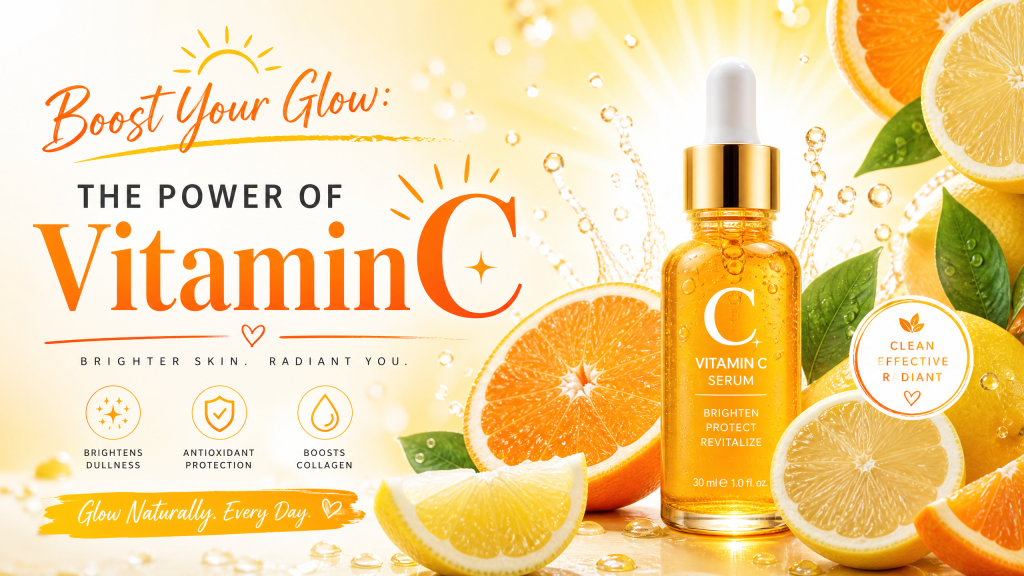
Boost Your Glow: The Power of Vitamin C in Skincare
Jun
Boost Your Glow: The Power of Vitamin C in Skincare
In the vast universe of skincare ingredients, few shine as brightly or deliver as consistently as Vitamin C. Revered by dermatologists and beauty enthusiasts alike, this powerhouse nutrient is celebrated not just for its vital role in overall health, but particularly for its transformative impact on skin. From combating environmental aggressors to unveiling a more radiant and youthful complexion, the benefits of incorporating Vitamin C into your daily skincare regimen are profound and scientifically backed.
If you’re seeking to diminish dullness, fade dark spots, boost collagen, and arm your skin with a robust defense against signs of aging and damage, Vitamin C is an ingredient you simply cannot overlook. This comprehensive guide will delve deep into the science behind this miraculous vitamin, explore its myriad benefits, help you navigate the best product choices, and provide practical tips to harness its full potential for a truly luminous glow.
What is Vitamin C and Why is it Essential for Skin?
Vitamin C, also known as L-Ascorbic Acid, is a water-soluble vitamin and a potent antioxidant that plays a crucial role in numerous bodily functions, including skin health. Unlike most animals, humans cannot synthesize Vitamin C internally, making dietary intake and topical application essential for our wellbeing. In the context of skincare, Vitamin C acts as a protective shield and a rejuvenating agent, working tirelessly to maintain the skin’s integrity and vibrancy.
As an antioxidant, Vitamin C neutralizes free radicals – unstable molecules generated by environmental factors like UV radiation, pollution, and even stress. These free radicals can cause oxidative stress, leading to cellular damage, collagen breakdown, and premature skin aging. By scavenging these harmful molecules, Vitamin C helps to prevent this damage, keeping your skin healthier and more resilient. Beyond its protective qualities, Vitamin C is also a critical co-factor in collagen synthesis, the protein responsible for skin’s firmness and elasticity. Without sufficient Vitamin C, your skin’s ability to repair itself and maintain a youthful structure is significantly compromised, underscoring its indispensable nature in any effective skincare arsenal.
Unlocking the Myriad Benefits of Vitamin C for Your Skin
The widespread acclaim for Vitamin C in skincare is not without merit. Its multi-faceted action addresses a spectrum of skin concerns, making it a versatile and invaluable ingredient for almost everyone. Here are the primary benefits you can expect from consistent use:
Brightens Skin Tone and Reduces Hyperpigmentation
One of the most sought-after benefits of Vitamin C is its remarkable ability to brighten the complexion and diminish the appearance of dark spots, sun spots, post-inflammatory hyperpigmentation, and melasma. It achieves this by inhibiting tyrosinase, an enzyme crucial for melanin production. By reducing melanin synthesis, Vitamin C helps to fade existing dark spots and prevents new ones from forming, leading to a more even, luminous, and radiant skin tone. This brightening effect makes the skin look healthier and more vibrant.
Potent Antioxidant Protection
As mentioned, Vitamin C is a powerful antioxidant. It acts as a primary defense against the oxidative damage caused by free radicals generated from exposure to UV rays, pollution, and other environmental stressors. This protection helps to shield skin cells from damage, preserving their health and function. By neutralizing these harmful molecules, Vitamin C prevents the chain reactions that can lead to collagen degradation, inflammation, and cellular mutations, thereby safeguarding the skin’s long-term health and youthful appearance.
Boosts Collagen Production
Collagen is the structural protein that gives skin its firmness, elasticity, and youthful bounce. As we age, collagen production naturally declines, leading to sagging skin, fine lines, and wrinkles. Vitamin C is a vital co-factor for the enzymes involved in collagen synthesis. It plays a crucial role in stabilizing and strengthening the collagen network. By promoting new collagen formation, Vitamin C helps to improve skin elasticity, reduce the depth of wrinkles, and maintain a plump, youthful complexion.
Reduces Inflammation and Redness
Vitamin C possesses anti-inflammatory properties that can help soothe and calm irritated skin. It can reduce redness associated with various skin conditions, including acne and rosacea, by strengthening capillary walls and improving overall skin barrier function. Its ability to mitigate inflammation also contributes to a more even skin tone and a healthier-looking complexion, making it beneficial for those with sensitive or reactive skin (though patch testing is always recommended).
Protects Against Sun Damage (Photoprotection)
While Vitamin C is not a sunscreen and should never replace it, it significantly enhances the skin’s protection against sun-induced damage. When used in conjunction with a broad-spectrum SPF, Vitamin C’s antioxidant activity helps to neutralize free radicals generated by UV exposure. This dual approach provides a more comprehensive defense, reducing the likelihood of sunburn, photoaging, and the development of sunspots. It acts as an additional layer of protection, preventing damage that even the best sunscreens might miss.
Improves Skin Hydration
Some forms of Vitamin C, particularly its derivatives, have been shown to help improve the skin’s barrier function, thereby enhancing its ability to retain moisture. Magnesium Ascorbyl Phosphate (MAP), for instance, has hydrating properties. By strengthening the skin barrier, Vitamin C helps to lock in hydration, resulting in plumper, softer, and more supple skin. This improved hydration also contributes to a smoother skin texture and a reduction in the appearance of fine lines caused by dehydration.
Fights Signs of Aging (Wrinkles & Fine Lines)
Through its combined actions of boosting collagen, providing antioxidant protection, and promoting cellular regeneration, Vitamin C is an excellent anti-aging ingredient. It helps to smooth out fine lines and wrinkles, improve skin texture, and restore a youthful radiance. By addressing the root causes of skin aging – oxidative stress and collagen degradation – Vitamin C helps to visibly reverse and prevent the signs of time, keeping your skin looking firmer and more youthful.
Navigating the Market: A Buying Guide for Vitamin C Serums and Products
With an explosion of Vitamin C products available, choosing the right one can feel overwhelming. Understanding a few key factors will help you make an informed decision and ensure you’re getting an effective product:
Forms of Vitamin C
- L-Ascorbic Acid (L-AA): This is the purest and most biologically active form of Vitamin C. It’s the most researched and potent, but also the least stable. It’s highly effective for brightening, collagen production, and antioxidant protection. Look for concentrations between 10-20%.
- Sodium Ascorbyl Phosphate (SAP): A stable, water-soluble derivative. It’s less potent than L-AA but gentler, making it suitable for sensitive or acne-prone skin. It has shown benefits for acne due to its antimicrobial properties.
- Magnesium Ascorbyl Phosphate (MAP): Another stable, water-soluble derivative. It’s hydrating and gentle, with good antioxidant properties and some evidence for collagen boosting and brightening.
- Ascorbyl Glucoside: A stable, water-soluble derivative that converts to L-AA upon absorption. It’s known for its brightening effects and gentleness.
- Tetrahexyldecyl Ascorbate (THD Ascorbate): An oil-soluble, highly stable, and potent derivative. It penetrates deeper into the skin due to its oil solubility and is less irritating than L-AA. Excellent for anti-aging and brightening.
Concentration
For L-Ascorbic Acid, a concentration of 10-20% is generally recommended for optimal efficacy. Higher concentrations aren’t necessarily better and can sometimes lead to irritation. For derivatives, lower concentrations (e.g., 3-10%) can still be highly effective due to their stability and better penetration.
Packaging
Vitamin C, especially L-Ascorbic Acid, is notoriously unstable and degrades when exposed to light, air, and heat. Look for products packaged in opaque, air-tight containers (e.g., dark glass bottles with droppers, pump dispensers, or airless pumps). Avoid clear bottles or jar packaging.
Other Ingredients
Many effective Vitamin C serums are formulated with synergistic ingredients that enhance stability and efficacy:
- Vitamin E and Ferulic Acid: These antioxidants stabilize Vitamin C and amplify its photoprotective benefits. This combination is often considered the gold standard.
- Hyaluronic Acid: Provides additional hydration and helps to plump the skin.
- Glycerin: A humectant that attracts and retains moisture.
- Botanical Extracts: Some extracts can offer additional antioxidant benefits.
Patch Testing
Before applying a new Vitamin C product all over your face, always perform a patch test on a small, inconspicuous area of skin (e.g., behind your ear or on your inner forearm) to check for any adverse reactions like redness, itching, or irritation.
Maximizing Results: Practical Tips for Incorporating Vitamin C into Your Routine
Once you’ve chosen your ideal Vitamin C product, knowing how to properly incorporate it into your routine is key to achieving the best results and preventing common pitfalls.
- When to Apply: Most dermatologists recommend applying Vitamin C serum in the morning. This allows it to provide antioxidant protection against environmental stressors you’ll encounter throughout the day. Apply it after cleansing and toning, but before moisturizer and sunscreen.
- Layering Order: A good rule of thumb is to apply products from thinnest to thickest consistency. Your Vitamin C serum will typically go on clean skin, followed by other treatment serums (if any), then moisturizer, and finally sunscreen.
- Consistency is Key: Like most skincare products, Vitamin C requires consistent use to show results. Make it a daily habit to see noticeable improvements in skin tone, texture, and radiance over time. It can take several weeks to months to see significant changes.
- Proper Storage: Store your Vitamin C serum in a cool, dark place away from direct sunlight and heat. Refrigeration can sometimes extend the shelf life of L-Ascorbic Acid formulations. Always check the product’s expiration date and look for signs of oxidation (a dark orange or brown discoloration) which indicates the product has degraded and is no longer effective.
- Start Slow: If you’re new to Vitamin C, especially L-Ascorbic Acid, start with a lower concentration or use it every other day, gradually increasing frequency as your skin adjusts. This helps minimize potential irritation.
- Don’t Forget Sunscreen: While Vitamin C offers photoprotection, it does not replace sunscreen. Always follow up your morning Vitamin C application with a broad-spectrum sunscreen with at least SPF 30. This combination provides the best defense against UV damage.
Potential Side Effects and How to Mitigate Them
While Vitamin C is generally well-tolerated, some individuals may experience mild side effects, especially when starting a new product or using a high concentration of L-Ascorbic Acid. Awareness and proper handling can significantly reduce these risks.
- Irritation, Redness, or Stinging: This is the most common side effect, particularly for those with sensitive skin or when starting with a high concentration.
- Mitigation: Start with a lower concentration (5-10% L-AA or a derivative like SAP/MAP). Introduce it slowly, perhaps every other day, and gradually increase frequency. Pair it with a hydrating moisturizer. If irritation persists, reduce frequency or try a gentler derivative.
- Dryness or Peeling: Some people may experience dryness or flakiness, often due to the skin adjusting to the active ingredient.
- Mitigation: Ensure your skin is adequately hydrated. Use a good quality moisturizer after your Vitamin C serum. Consider alternating days with a hydrating serum if dryness is an issue.
- Breakouts: Rarely, some formulations, particularly those with a higher oil content or certain delivery systems, might lead to breakouts for acne-prone individuals.
- Mitigation: Look for non-comedogenic formulas. If breakouts occur, discontinue use and consult with a dermatologist to identify potential triggers in the product.
- Orange Discoloration: If a Vitamin C serum oxidizes and turns dark orange or brown, it loses its efficacy and can potentially leave a temporary tint on the skin.
- Mitigation: Store products correctly (cool, dark place). Use products within their recommended shelf life. Discard oxidized products promptly.
Always listen to your skin. If you experience persistent or severe irritation, stop using the product and consult a dermatologist.
Frequently Asked Questions (FAQ) about Vitamin C in Skincare
Can I use Vitamin C every day?
Yes, most people can use Vitamin C serum daily, ideally in the morning. However, if you have very sensitive skin, you might want to start every other day and gradually increase frequency as your skin builds tolerance.
Can I use Vitamin C with Retinol?
Yes, you can! The common advice to avoid combining them stemmed from older formulations and misconceptions about pH. Modern formulations allow for effective co-use. The best practice is often to use Vitamin C in the morning (for antioxidant protection) and Retinol at night (for skin renewal), but some people successfully use them together, ensuring proper layering (Vitamin C first, then Retinol).
What’s the best time to apply Vitamin C?
The morning is generally recommended. This allows Vitamin C to provide antioxidant protection against environmental damage encountered throughout the day. Apply it after cleansing and toning, before moisturizer and sunscreen.
How long does it take to see results?
Consistency is key. You might notice an immediate glow, but significant changes like reduced hyperpigmentation, improved texture, and increased collagen production typically take 4-8 weeks of consistent daily use. Full benefits may take several months.
Is Vitamin C suitable for sensitive skin?
Yes, but with caution. If you have sensitive skin, start with a lower concentration (e.g., 5-10% L-Ascorbic Acid) or opt for a gentler derivative like Sodium Ascorbyl Phosphate (SAP) or Magnesium Ascorbyl Phosphate (MAP). Always perform a patch test first and introduce it slowly into your routine.
What concentration should I start with?
For L-Ascorbic Acid, a good starting point is 10-15%. If your skin tolerates it well, you can gradually move up to 20%. For derivatives, concentrations ranging from 3-10% are often effective.
Does Vitamin C make your skin more sensitive to the sun?
No, quite the opposite. Vitamin is a powerful antioxidant that helps protect your skin from sun damage and environmental stressors. However, it is NOT a substitute for sunscreen. You should always use a broad-spectrum SPF 30+ daily when using Vitamin products.
Conclusion
Vitamin C stands as a cornerstone in the pursuit of healthy, radiant, and resilient skin. Its unparalleled ability to brighten, protect, and rejuvenate makes it a truly indispensable ingredient for anyone serious about their skincare journey. From its potent antioxidant defense against free radicals to its crucial role in stimulating collagen production and fading hyperpigmentation, the benefits are expansive and well-documented.
By understanding the different forms of Vitamin , selecting well-formulated products, and incorporating it consistently into your daily routine, you can unlock a truly transformative glow. While patience and consistency are paramount, the investment in Vitamin will undoubtedly yield dividends in the form of a brighter, firmer, more even-toned, and youthful complexion. Embrace the power of Vitamin , and let your skin reflect its healthiest, most luminous self.
