Post
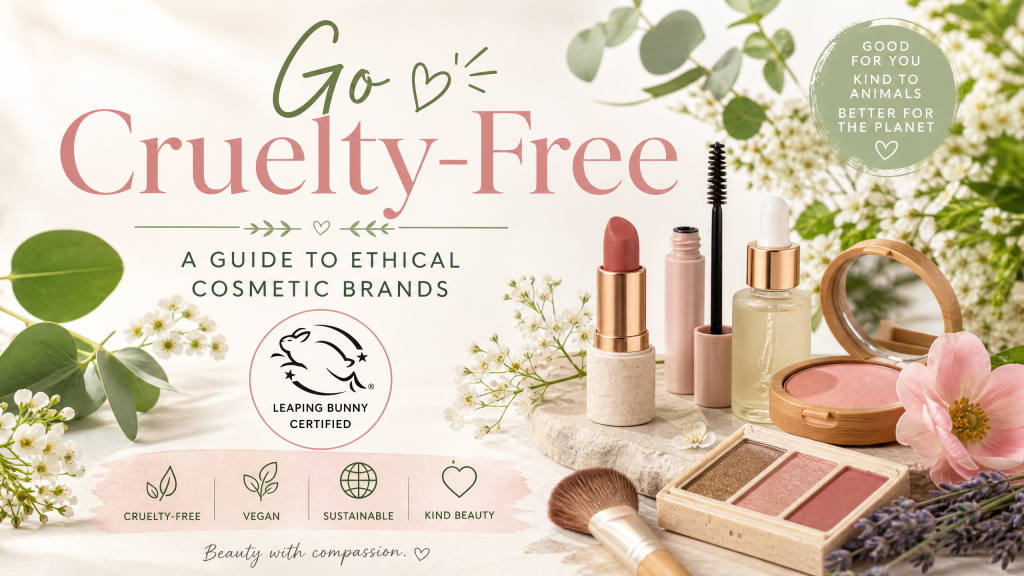
Go Cruelty-Free: A Guide to Ethical Cosmetic Brands
Jun
Go Cruelty-Free: A Guide to Ethical Cosmetic Brands
Introduction: The Path to Compassionate Beauty
In a world increasingly conscious of its impact on the planet and its inhabitants, the beauty industry is undergoing a significant transformation. For decades, the glamour of cosmetics often concealed a dark secret: animal testing. From mascara to moisturizer, countless products were formulated and tested using animals, leading to immense suffering. However, a powerful movement has emerged, championing a more humane approach: cruelty-free beauty.
Going cruelty-free means choosing products that have not been tested on animals at any stage of their development, from ingredients to the final product. It’s a commitment to ethical consumerism, a stand against unnecessary animal suffering, and a vote for a kinder, more responsible future for beauty. This comprehensive guide will illuminate the landscape of ethical cosmetic brands, empower you with the knowledge to make informed choices, and provide practical tips for building a truly compassionate beauty routine. Join us as we explore what it truly means to go cruelty-free and how your purchasing power can drive positive change in the world of cosmetics.
What Does “Cruelty-Free” Truly Mean? Decoding the Labels and Certifications
The term “cruelty-free” is often used, but its true meaning can be nuanced. At its core, a cruelty-free cosmetic product is one where neither the final product nor any of its ingredients have been tested on animals by the manufacturer, its suppliers, or any third parties. This commitment extends across all stages of production, ensuring that no animal suffers for the sake of human beauty.
It’s crucial to understand that “cruelty-free” is not synonymous with “vegan.” While many cruelty-free brands are also vegan (meaning they contain no animal-derived ingredients like beeswax, carmine, or lanolin), a product can be cruelty-free without being vegan, and vice-versa. For instance, a lipstick might not be tested on animals but could still contain beeswax. Conversely, a vegan product might still belong to a brand that, unknowingly or through a parent company, is involved in animal testing elsewhere. For those committed to both animal welfare and avoiding animal products, looking for both certifications is essential.
To help consumers navigate this complex landscape, several reputable organizations provide certifications that confirm a brand’s cruelty-free status. These logos are invaluable tools for making informed decisions:
- Leaping Bunny: Administered by the Coalition for Consumer Information on Cosmetics (CCIC) in the US and Canada, and Cruelty Free International globally, the Leaping Bunny program is considered the gold standard. Brands must meet strict criteria, including a supplier monitoring system to ensure no animal testing occurs down the supply chain.
- PETA’s Beauty Without Bunnies: PETA offers two lists: “Global Animal Test-Free” (for brands that don’t test on animals anywhere in the world) and “Global Animal Test-Free and Vegan” (for brands meeting the first criteria and also offering only vegan products). While PETA’s list is extensive, some argue its criteria are slightly less stringent than Leaping Bunny’s.
- Choose Cruelty Free (CCF) Australia: This organization offers certification specifically for brands selling in Australia, with criteria similar to the Leaping Bunny program.
Beware of companies that use vague phrases like “we do not test our products on animals unless required by law.” This is often a loophole, particularly for brands selling in markets like mainland China, where post-market animal testing was historically mandated for many imported cosmetics. While regulations in China are slowly changing, this phrase is a clear indicator that the brand is NOT truly cruelty-free according to global ethical standards. Always look for explicit statements of no animal testing at any stage and ideally, a reputable certification logo.
Why Go Cruelty-Free? The Benefits You Need to Know
Choosing cruelty-free cosmetics is more than just a trend; it’s a deeply meaningful decision with far-reaching benefits for animals, the environment, and even human health. Here’s why making the switch is a powerful act of compassion and responsibility:
Ethical Imperative: Ending Animal Suffering
The most profound benefit of going cruelty-free is the direct impact it has on animal welfare. Traditional animal testing can involve a range of horrific procedures, including force-feeding chemicals, dripping irritants into eyes, and skin sensitization tests, often leading to pain, suffering, blindness, and death. By choosing cruelty-free, you are directly contributing to the reduction and eventual elimination of these inhumane practices, sending a clear message to the industry that animal lives matter more than product development.
Health and Safety: Often Cleaner Formulations
While not a direct causation, many cruelty-free brands often prioritize ethical sourcing and sustainable practices, which can extend to the ingredients they use. In their quest for alternatives to animal testing, these companies frequently invest in innovative, scientifically-backed, non-animal testing methods that can sometimes result in cleaner, safer formulations. They are often more transparent about their ingredients, and many strive to remove harsh chemicals, parabens, phthalates, and synthetic fragrances, appealing to consumers looking for “clean beauty” options alongside ethical ones. This alignment isn’t universal, but it’s a strong trend within the cruelty-free movement.
Environmental Responsibility: A Holistic Approach
Cruelty-free brands are frequently at the forefront of broader sustainability initiatives. Companies committed to animal welfare often extend their ethical considerations to environmental impact. This can manifest in various ways, such as:
- Using sustainably sourced ingredients.
- Employing eco-friendly packaging (recyclable, refillable, minimal plastic).
- Reducing carbon footprints in manufacturing processes.
- Avoiding harmful chemicals that can pollute waterways and ecosystems.
By supporting these brands, you’re not just saving animals; you’re also promoting a more environmentally conscious approach to commerce.
Driving Innovation and Progress
The demand for cruelty-free products spurs innovation in scientific research. Instead of relying on outdated animal tests, companies are investing in cutting-edge alternative testing methods like in-vitro testing, computer modeling, and human tissue cultures. These methods are often more accurate, cost-effective, and relevant to human biology than animal tests, pushing the boundaries of scientific discovery and making the industry more advanced and humane.
Empowering Consumer Choice and Industry Change
Every purchase is a vote. When you choose a cruelty-free product, you are voting with your wallet for a more ethical beauty industry. This collective consumer power sends a strong signal to brands that still conduct animal testing, encouraging them to change their practices to meet consumer demand. It shows that profitability and compassion can go hand-in-hand, ultimately accelerating the shift towards a completely cruelty-free global beauty market.
Navigating the Market: Your Cruelty-Free Buying Guide
The journey to a fully cruelty-free beauty routine can seem daunting with the sheer number of brands and conflicting claims. However, armed with the right knowledge and tools, you can confidently make ethical choices. Here’s your essential buying guide:
1. Look for Official Certifications
The most reliable way to identify cruelty-free products is to look for official certification logos. As mentioned, the Leaping Bunny logo is widely recognized as the most stringent standard. PETA’s “Beauty Without Bunnies” logo is also common. These certifications mean the brand has undergone a rigorous verification process to ensure no animal testing occurs anywhere in their supply chain. Always be wary of unofficial “bunny” logos that aren’t backed by one of these recognized organizations.
2. Check Reputable Databases and Apps
Several online resources and mobile applications maintain up-to-date lists of cruelty-free brands. These are invaluable tools for quick verification, especially when shopping:
- Leaping Bunny Program Website: Their official website lists all certified brands globally.
- PETA’s Beauty Without Bunnies Database: A comprehensive list that can be filtered by product type and vegan status.
- Cruelty-Free Kitty and Logical Harmony: Popular cruelty-free blogs that meticulously research and verify brand statuses, often providing insights into parent companies and international market presence.
- Dedicated Apps: The Leaping Bunny app allows you to scan product barcodes to check their status.
3. Read Brand Policies on Their Websites
A truly cruelty-free brand will proudly state its commitment on its website, often with a dedicated “Our Ethics” or “Cruelty-Free Policy” page. Look for clear, unambiguous language. Red flags include phrases like: “We do not test on animals, *except where required by law*.” This often indicates they sell in markets like mainland China, where animal testing was historically mandatory for most imported cosmetics. While China’s regulations are evolving, this disclaimer means the brand isn’t truly cruelty-free by global standards.
4. Understand Parent Company Status
This is a common point of contention for many consumers. Some cruelty-free brands are owned by large parent companies that do test on animals. For example, brands like Urban Decay (cruelty-free) are owned by L’Oréal (not cruelty-free). The choice to support these brands is deeply personal. Some consumers choose to support the cruelty-free subsidiary, believing it sends a positive message that ethical brands can be profitable, even within a larger corporation. Others choose to boycott the entire conglomerate to avoid indirectly supporting animal testing. There’s no single “right” answer here; it depends on your individual ethical boundaries.
5. Differentiate Between “Cruelty-Free” and “Vegan”
As discussed, these terms are not interchangeable. If avoiding animal-derived ingredients is also important to you, you’ll need to look for explicit “vegan” claims or certifications in addition to cruelty-free ones. Many brands now offer clearly labeled vegan ranges or are entirely vegan, making this easier.
6. Be Wary of Greenwashing
Just because a product looks “natural” or “organic” doesn’t automatically mean it’s cruelty-free. Likewise, a brand might feature a generic bunny image without official certification. Always cross-reference claims with reliable sources.
By following these steps, you can confidently build a beauty collection that aligns with your values, ensuring that your quest for beauty doesn’t come at the cost of animal suffering.
Beyond the Label: Practical Tips for an Ethical Beauty Routine
Transitioning to an entirely cruelty-free beauty routine is a journey, not a sprint. It’s about conscious choices and sustainable habits. Here are some practical tips to help you embrace an ethical beauty lifestyle seamlessly:
1. Start Gradually and Don’t Waste
You don’t need to throw out all your existing products overnight. As you run out of an item, replace it with a cruelty-free alternative. This approach is environmentally responsible, reduces waste, and makes the transition less overwhelming financially and practically.
2. Research Before You Shop
Before heading to the store or making an online purchase, take a few minutes to research brands. Use the databases and apps mentioned in the buying guide. Create a list of verified cruelty-free brands that offer products you need. This proactive approach saves time and prevents accidental purchases of non-cruelty-free items.
3. Prioritize Your Most-Used Products
If swapping everything at once feels too much, start with your most frequently used items: foundation, mascara, cleanser, moisturizer. Once these staples are cruelty-free, you can gradually move on to less frequently used products like specialty serums or occasional use masks.
4. Explore Indie and Smaller Brands
Many independent and smaller beauty brands are cruelty-free from their inception, often driven by the founders’ ethical convictions. They tend to be more transparent, innovative, and responsive to consumer feedback. Supporting these brands can be a rewarding experience and often uncovers hidden gems.
5. Look Beyond Makeup
The cruelty-free movement extends beyond just decorative cosmetics. Remember to consider all your personal care products: shampoo, conditioner, body wash, lotion, deodorant, toothpaste, and even household cleaning supplies. Many of the same principles and certifications apply across these categories.
6. Consider DIY Beauty
For those interested in a more minimalist and natural approach, consider making some of your own beauty products. Simple recipes for face masks, body scrubs, and hair rinses often use common kitchen ingredients and ensure complete control over what goes onto your skin and hair, guaranteeing cruelty-free status.
7. Educate Your Friends and Family
Share your knowledge and passion for cruelty-free beauty with those around you. Explain why it’s important and how easy it is to make the switch. Recommend your favorite cruelty-free brands and products. Your enthusiasm can inspire others to re-evaluate their choices, amplifying the impact of the movement.
8. Embrace the Learning Process
The beauty industry is constantly evolving, with new brands emerging and old ones changing their policies. Stay informed by regularly checking reputable cruelty-free resources. It’s an ongoing learning process, and every effort, no matter how small, contributes to a more compassionate world.
By integrating these practical tips into your daily routine, you’ll not only curate a truly ethical beauty collection but also become a powerful advocate for animal welfare and responsible consumerism.
Spotlight on Ethical Beauty: Brands Leading the Way
The landscape of ethical beauty is vibrant and growing, with an increasing number of brands committing to cruelty-free practices. While we won’t list specific brands (as company statuses can change, and this guide aims for longevity), it’s important to recognize the characteristics of brands that are truly leading the way in ethical cosmetics. These are the companies that not only avoid animal testing but often go above and beyond, setting new standards for the entire industry.
Leading ethical beauty brands typically embody several key values:
- Unwavering Commitment to No Animal Testing: This is their foundational principle, often certified by respected organizations like Leaping Bunny or PETA. Their cruelty-free policy is clear, transparent, and extends to all ingredients and suppliers, regardless of where they sell their products globally.
- Transparency in Sourcing and Production: They openly share information about where their ingredients come from, how they are processed, and their manufacturing practices. This allows consumers to make fully informed decisions and builds trust.
- Innovative Formulations and Performance: Ethical brands prove that compassion doesn’t mean compromising on quality or effectiveness. They invest in advanced, non-animal testing methods and research to create high-performing products that rival or surpass their conventional counterparts. Many utilize cutting-edge botanical extracts, bio-fermented ingredients, and scientifically proven alternatives.
- Strong Vegan Offerings: While not all cruelty-free brands are 100% vegan, many ethical leaders offer extensive vegan ranges or are entirely plant-based. This commitment further minimizes their impact on animal life and often appeals to a broader ethical consumer base.
- Sustainability and Environmental Stewardship: Beyond animal welfare, these brands often integrate broader environmental concerns into their business model. This includes using recyclable, refillable, or biodegradable packaging, minimizing waste, sourcing ingredients sustainably, and reducing their carbon footprint.
- Community Engagement and Advocacy: Many ethical brands actively use their platform to advocate for animal rights, environmental protection, and social justice. They might partner with non-profits, donate a portion of profits to relevant causes, or participate in campaigns to ban animal testing worldwide.
- Customer Education: They prioritize educating their customers about the importance of cruelty-free choices, how to identify ethical products, and the impact of conscious consumerism.
These forward-thinking companies demonstrate that it is entirely possible to create beautiful, effective, and desirable cosmetic products without causing harm. They serve as beacons of hope and innovation, proving that the future of beauty is truly compassionate, responsible, and ethical. As a consumer, actively seeking out and supporting brands that align with these values is a direct way to contribute to a more humane world.
Frequently Asked Questions About Cruelty-Free Cosmetics
Making the switch to cruelty-free can raise many questions. Here are some of the most common ones, answered to help you confidently navigate your ethical beauty journey:
Q1: Is “cruelty-free” the same as “vegan”?
No, they are distinct terms, though often overlapping. “Cruelty-free” means no animal testing was conducted on the product or its ingredients. “Vegan” means the product contains no animal-derived ingredients (e.g., honey, beeswax, carmine, lanolin, gelatin). A product can be cruelty-free but not vegan (e.g., a mascara not tested on animals but containing beeswax). Conversely, a product could be vegan but belong to a brand that isn’t fully cruelty-free (e.g., a vegan lip balm from a brand that tests other products on animals in certain markets). For comprehensive animal welfare, look for both certifications.
Q2: How can I be sure a brand is truly cruelty-free?
The most reliable way is to look for official certifications like the Leaping Bunny logo. Also, check reputable cruelty-free databases (like those from Leaping Bunny or PETA) and trusted cruelty-free blogs (e.g., Cruelty-Free Kitty, Logical Harmony). Be wary of brands that say “we don’t test on animals *unless required by law*,” as this is a loophole for markets like mainland China where animal testing was historically mandated for certain imported cosmetics.
Q3: Are cruelty-free cosmetics more expensive?
Not necessarily. While some high-end cruelty-free brands exist, there are also numerous affordable options available at drugstores and mass retailers. The market for cruelty-free products has grown significantly, leading to a wider range of price points to suit every budget. You can find everything from budget-friendly staples to luxury items.
Q4: What about parent companies? If a cruelty-free brand is owned by a non-cruelty-free parent company, is it still ethical to buy it?
This is a personal ethical decision. A brand can maintain its individual cruelty-free status even if its parent company is not. Some consumers choose to support the cruelty-free subsidiary, arguing it demonstrates that ethical brands can be profitable, which could influence the parent company over time. Others prefer to boycott the entire conglomerate to avoid indirectly supporting animal testing. There’s no universal “right” answer; it depends on your comfort level and priorities.
Q5: Do “natural” or “organic” products automatically mean they are cruelty-free?
No, not necessarily. While many natural and organic brands are also cruelty-free, the terms “natural” or “organic” refer to ingredient sourcing and formulation, not animal testing policies. Always check for specific cruelty-free certifications or statements, regardless of other product claims.
Q6: If a brand says its ingredients aren’t tested on animals, does that mean the final product isn’t either?
Not always. While ingredient suppliers often claim their individual ingredients are not tested on animals, the brand itself might still conduct or commission animal testing on the final formulated product. True cruelty-free certification covers both ingredients and the final product, as well as the entire supply chain. Always look for a comprehensive cruelty-free statement or certification.
Q7: Is animal testing still common globally?
While banned in the EU, India, Israel, and several other countries, animal testing is still a requirement for certain types of cosmetics in other parts of the world, most notably mainland China for some imported products. However, growing global awareness and increasing consumer demand are driving legislative changes and pushing more companies to adopt cruelty-free policies worldwide.
Conclusion: Your Power to Choose Compassion
The journey to a cruelty-free lifestyle is a testament to the power of informed consumerism. By choosing ethical cosmetic brands, you are not merely selecting products; you are casting a vote for a world free from animal suffering, supporting innovation, and championing environmental responsibility. You are aligning your daily choices with your deepest values, demonstrating that beauty can and should be a force for good.
This guide has aimed to equip you with the knowledge and tools to confidently navigate the world of ethical beauty. From understanding the true meaning of “cruelty-free” and deciphering certifications to practical tips for transitioning your routine, every step you take contributes to a larger movement. Remember that every single purchase has an impact, and your commitment to cruelty-free choices sends a powerful message to the entire industry.
Embrace the learning process, be patient with yourself, and celebrate the positive change you are creating. The future of beauty is compassionate, sustainable, and ethical – and you are a vital part of shaping it. Go forth and discover the joy of truly cruelty-free beauty, knowing that your choices reflect a kinder world for all.
