Post
Dermatologist-Approved Skincare Tips for a Healthy Complexion
Jun
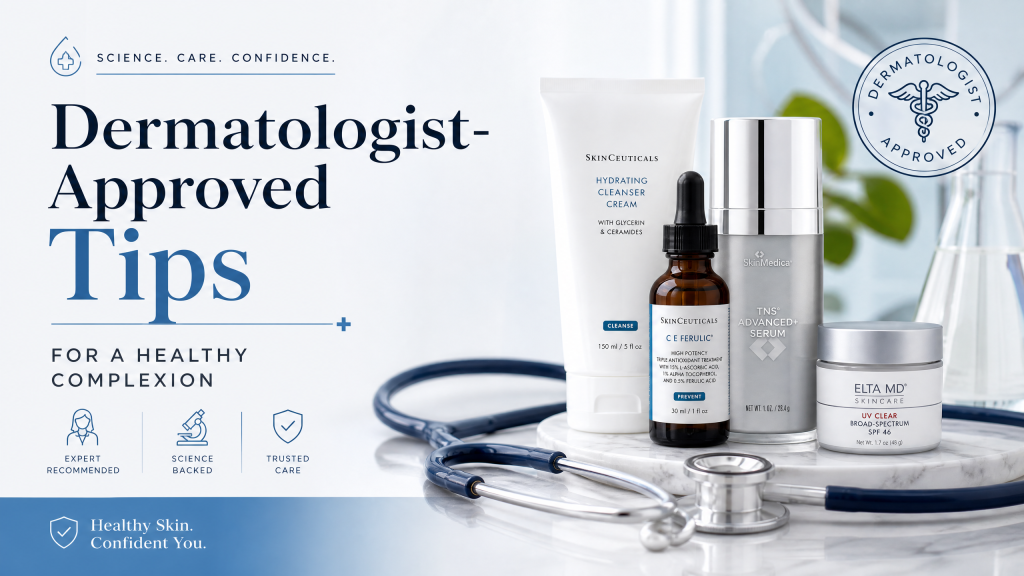
Dermatologist-Approved Skincare Tips for a Healthy Complexion
Achieving a healthy, radiant complexion isn’t just about using the right products; it’s about understanding your skin, adopting consistent habits, and following expert advice. In a world saturated with skincare trends and countless product claims, distinguishing fact from fiction can be a challenge. That’s where the guidance of dermatologists becomes invaluable. These medical professionals possess an unparalleled understanding of skin biology, diseases, and effective treatments. By adhering to dermatologist-approved skincare tips, you can build a routine that truly nurtures your skin, addresses its specific needs, and promotes long-term health and vitality.
This comprehensive guide delves into the foundational principles of skincare championed by dermatologists. We’ll explore everything from identifying your skin type and establishing a core routine to deciphering ingredient lists and integrating crucial lifestyle factors. Whether you’re battling acne, seeking anti-aging solutions, or simply aiming for an everyday glow, these expert insights will empower you to make informed decisions and embark on a journey towards your healthiest, most beautiful skin. Prepare to transform your skincare approach with professional wisdom that stands the test of time and science.
Understanding Your Skin: The Foundation of Good Skincare
Before you can effectively treat your skin, you must first understand it. Dermatologists emphasize that identifying your skin type is the crucial first step in building any successful skincare regimen. Your skin type is primarily determined by genetics, but it can also be influenced by hormones, environment, and diet. Misunderstanding your skin type can lead to using incorrect products, which might exacerbate existing issues or create new ones, ultimately hindering your pursuit of a healthy complexion.
- Normal Skin: Characterized by a good balance – neither too oily nor too dry. It has few imperfections, small pores, and a radiant complexion.
- Dry Skin: Often feels tight, flaky, or rough. It produces less sebum than normal skin, leading to a lack of lipids needed to retain moisture and build a protective barrier. It can be prone to sensitivity, fine lines, and dullness.
- Oily Skin: Marked by excess sebum production, leading to a shiny or greasy appearance, enlarged pores, and a propensity for acne breakouts (blackheads, whiteheads, pimples).
- Combination Skin: The most common skin type, featuring areas of oiliness (typically the T-zone: forehead, nose, chin) and areas of dryness or normalcy (cheeks).
- Sensitive Skin: This isn’t strictly a skin type but a condition that can affect any skin type. Sensitive skin reacts easily to environmental factors, certain ingredients, or products, often presenting with redness, itching, burning, or stinging.
Observing your skin throughout the day, especially after cleansing, can help you pinpoint your type. Dermatologists often recommend a simple “blot test” or just paying attention to how your skin feels and looks a few hours post-wash. Once you know your skin type, you can tailor your product choices and routine to genuinely address its inherent characteristics and concerns, laying a robust foundation for a healthy complexion.
The Core Pillars of a Dermatologist-Approved Routine
Dermatologists universally recommend a simple yet effective core routine that forms the backbone of all healthy skincare. This routine, often boiled down to “Cleanse, Treat, Moisturize, Protect,” is designed to maintain skin health, prevent damage, and address specific concerns without overcomplicating the process. Consistency is paramount, as is selecting products appropriate for your identified skin type and concerns.
Cleansing Correctly: Beyond Just Washing
Cleansing is the first and perhaps most critical step. Its purpose is to remove dirt, oil, makeup, and environmental pollutants without stripping the skin of its natural oils. Over-washing or using harsh cleansers can disrupt the skin’s protective barrier, leading to dryness, irritation, and increased sensitivity. Dermatologists advise cleansing twice daily – once in the morning to remove overnight accumulation of oils and dead skin cells, and once at night to wash away the day’s grime and makeup.
- For Dry/Sensitive Skin: Opt for a gentle, hydrating cleanser that is soap-free, fragrance-free, and non-foaming. Cream or lotion cleansers are ideal.
- For Oily/Acne-Prone Skin: A foaming or gel cleanser with ingredients like salicylic acid can help control oil and prevent breakouts, but avoid harsh scrubbing.
- For Normal/Combination Skin: A balanced, gentle cleanser that effectively removes impurities without causing tightness.
Always use lukewarm water, as hot water can strip oils, and pat your skin dry with a clean, soft towel rather than rubbing vigorously.
Targeted Treatments: Addressing Specific Concerns
After cleansing, targeted treatments come into play. These are concentrated products designed to address specific skin issues like acne, hyperpigmentation, fine lines, or dullness. This step is where personalization truly shines. Common dermatologist-recommended active ingredients include:
- Retinoids (Retinol, Tretinoin): Gold standard for anti-aging, acne, and improving skin texture. They promote cell turnover and boost collagen production. Start slowly to build tolerance.
- Vitamin C (Ascorbic Acid): A powerful antioxidant that brightens skin, reduces hyperpigmentation, protects against environmental damage, and supports collagen synthesis.
- Hyaluronic Acid: A humectant that draws moisture into the skin, providing intense hydration and plumping effects, suitable for all skin types.
- Niacinamide (Vitamin B3): Versatile ingredient that minimizes pore appearance, improves uneven skin tone, softens fine lines, and strengthens the skin barrier.
- Alpha Hydroxy Acids (AHAs like Glycolic Acid, Lactic Acid) & Beta Hydroxy Acids (BHAs like Salicylic Acid): Exfoliate the skin, remove dead skin cells, and improve texture. AHAs are better for surface exfoliation and dryness, BHAs for oiliness and pores.
Introduce new treatments one at a time to observe your skin’s reaction and use them as directed by product instructions or a dermatologist.
The Power of Moisturization: Hydration is Key
Moisturization is non-negotiable for all skin types, even oily skin. It replenishes the skin’s moisture content, helps repair its protective barrier, and seals in any active ingredients applied beforehand. A healthy skin barrier is crucial for defending against environmental aggressors and preventing moisture loss.
- For Dry Skin: Look for rich creams with occlusives (like petrolatum, shea butter) and emollients (like ceramides, fatty acids) to lock in moisture.
- For Oily/Acne-Prone Skin: Opt for lightweight, non-comedogenic lotions or gel-creams that won’t clog pores.
- For Normal/Combination Skin: A balanced lotion or cream that provides adequate hydration without feeling heavy.
Apply moisturizer to slightly damp skin to help trap water effectively. Moisturize twice daily, morning and night.
Sun Protection: Your Non-Negotiable Daily Shield
Dermatologists unanimously declare sunscreen as the single most important anti-aging product and your best defense against skin cancer. Daily, consistent use of broad-spectrum sunscreen with an SPF of 30 or higher is crucial, regardless of weather, skin tone, or whether you plan to be outdoors for extended periods. UV radiation is responsible for premature aging (wrinkles, fine lines, sun spots) and significantly increases the risk of skin cancers.
- Broad-Spectrum: Protects against both UVA (aging) and UVB (burning) rays.
- SPF 30 or Higher: Blocks 97% of UVB rays. Higher SPFs offer slightly more protection but none block 100%.
- Reapplication: Reapply every two hours when outdoors, or more frequently if swimming or sweating.
- Choose Your Formula: Mineral sunscreens (zinc oxide, titanium dioxide) are often preferred for sensitive skin as they sit on top of the skin. Chemical sunscreens absorb UV rays. Modern formulations are lightweight and blend easily.
Make sunscreen the final step in your morning skincare routine, every single day.
Practical Tips for Integrating Skincare into Your Daily Life
Having the right products is only half the battle; consistency and smart habits are equally important for achieving a healthy complexion. Dermatologists share several practical tips to ensure your routine is effective and sustainable.
- Consistency is Key: Skincare results are cumulative. Skipping days or weeks will undermine your efforts. Stick to your morning and evening routine diligently. Think of it as brushing your teeth – it’s a non-negotiable part of your daily hygiene.
- Listen to Your Skin: Your skin is an organ, and it communicates. Pay attention to how it reacts to products and environmental changes. If a product causes irritation, redness, or excessive dryness, discontinue use. Adjust your routine seasonally – your skin might need richer hydration in winter and lighter formulas in summer.
- Patch Test New Products: Before slathering a new product all over your face, especially active treatments, perform a patch test. Apply a small amount to an inconspicuous area (like behind your ear or on your inner forearm) for a few days to check for any adverse reactions.
- Less is Often More: Resist the urge to use too many products or try every new trend. A streamlined routine with a few effective, high-quality products is often more beneficial than a complex one that overwhelms your skin. Introducing too many new products at once also makes it difficult to pinpoint the culprit if irritation occurs.
- Apply Products in the Right Order: Generally, apply products from thinnest to thickest consistency. Cleanser, toner (if used), targeted treatments (serums), moisturizer, and finally, sunscreen in the morning. This ensures that active ingredients penetrate properly.
- Don’t Forget Your Neck and Chest: These areas are just as exposed to environmental damage and signs of aging as your face. Extend your skincare routine, especially sunscreen and anti-aging treatments, down to your décolletage.
- Keep Your Hands Off Your Face: Touching your face frequently can transfer dirt, oil, and bacteria from your hands to your skin, potentially leading to breakouts and irritation.
- Clean Your Tools: Regularly clean makeup brushes, sponges, and pillowcases. These can harbor bacteria and contribute to skin problems.
By integrating these practical tips into your daily life, you’ll not only maximize the efficacy of your skincare products but also foster habits that promote long-term skin health and resilience.
Decoding Skincare Ingredients: A Dermatologist’s Buying Guide
Navigating the vast array of skincare products can be daunting, but a dermatologist’s approach simplifies it: focus on the ingredients. Understanding what key ingredients do and which ones are backed by science empowers you to make intelligent purchasing decisions that deliver real results. This buying guide will help you identify beneficial compounds and those to approach with caution.
Essential Ingredients to Look For
When selecting products, dermatologists advise prioritizing formulations that include these proven actives:
- Retinoids (Retinol, Retinaldehyde, Tretinoin): As mentioned, these vitamin A derivatives are powerful cell communicators, accelerating cell turnover, boosting collagen, and effectively treating acne, fine lines, wrinkles, and hyperpigmentation. A cornerstone of anti-aging and acne treatment.
- Vitamin C (L-Ascorbic Acid): A potent antioxidant crucial for neutralizing free radicals, brightening the complexion, reducing dark spots, and stimulating collagen production. Look for stable formulations and amber or opaque packaging.
- Hyaluronic Acid: A humectant that can hold up to 1,000 times its weight in water, drawing moisture from the air into the skin. Excellent for deep hydration, plumping, and improving skin elasticity for all skin types.
- Niacinamide (Vitamin B3): A multi-tasking ingredient that reduces inflammation, minimizes pore appearance, improves skin barrier function, regulates oil production, and can lighten hyperpigmentation. Gentle and suitable for sensitive skin.
- AHAs (Alpha Hydroxy Acids) – Glycolic Acid, Lactic Acid: Chemical exfoliants that gently dissolve the bonds between dead skin cells on the surface, revealing brighter, smoother skin. Glycolic is stronger; lactic is milder and more hydrating.
- BHAs (Beta Hydroxy Acids) – Salicylic Acid: Oil-soluble exfoliant that penetrates deep into pores, making it ideal for treating acne, blackheads, and whiteheads by dissolving sebum and dead skin cells.
- Ceramides: Lipids naturally found in the skin barrier. Topical ceramides help replenish and strengthen the skin’s protective barrier, reducing moisture loss and improving resilience, especially crucial for dry or sensitive skin.
- Antioxidants (e.g., Vitamin E, Ferulic Acid, Green Tea Extract): These combat oxidative stress caused by environmental aggressors like pollution and UV radiation, preventing cellular damage and premature aging.
Ingredients to Approach with Caution
While some ingredients have their place, dermatologists often recommend minimizing exposure to or being wary of others, especially if you have sensitive skin:
- Harsh Alcohols (e.g., Ethanol, Alcohol Denat.): While not all alcohols are bad, these can be drying and irritating, stripping the skin’s natural oils and damaging the barrier.
- Artificial Fragrances: A common cause of allergic reactions and irritation, especially for sensitive skin. Look for “fragrance-free” products.
- Synthetic Dyes: Can also be irritants for some individuals.
- Physical Scrubs with Large, Irregular Particles (e.g., Crushed Walnut Shells): These can create micro-tears in the skin, damaging the barrier and leading to inflammation. Opt for gentle chemical exfoliants instead.
- Certain Essential Oils: While natural, many essential oils (e.g., citrus, peppermint, lavender in high concentrations) can be potent allergens and photosensitizers, causing irritation or increased sun sensitivity.
Always read ingredient labels carefully and prioritize products that align with your skin’s needs and dermatologist recommendations. When in doubt, simpler formulations are often safer bets.
The Long-Term Benefits of Consistent Dermatologist-Backed Skincare
Investing time and effort into a dermatologist-approved skincare routine yields a multitude of long-term benefits that extend far beyond immediate cosmetic improvements. This isn’t just about looking good in the short term; it’s about fostering enduring skin health, resilience, and vitality. The cumulative effects of consistent, science-backed care are profound and transformative.
- Prevents Premature Aging: The most visible benefit. Consistent use of sunscreen, antioxidants, and retinoids significantly reduces the appearance of fine lines, wrinkles, sun spots, and loss of elasticity. By preventing collagen breakdown and stimulating its production, your skin maintains a youthful firmness and smooth texture for longer.
- Reduces Acne and Blemishes: A well-structured routine incorporating appropriate cleansers, exfoliants (like salicylic acid), and treatments (like retinoids) can effectively control oil production, unclog pores, reduce inflammation, and minimize the frequency and severity of breakouts, leading to clearer, more even-toned skin.
- Strengthens the Skin Barrier: Daily cleansing, moisturizing, and barrier-repairing ingredients (like ceramides, hyaluronic acid, niacinamide) fortify your skin’s natural protective shield. A strong barrier is crucial for defending against environmental aggressors, preventing moisture loss, and reducing sensitivity and irritation.
- Evens Skin Tone and Texture: Regular exfoliation and targeted treatments like Vitamin C and retinoids help fade hyperpigmentation (sun spots, post-inflammatory hyperpigmentation), improve overall skin clarity, and refine skin texture, resulting in a more uniform and radiant complexion.
- Reduces Sensitivity and Inflammation: By avoiding harsh ingredients, choosing gentle products, and strengthening the skin barrier, individuals with sensitive skin can experience fewer flare-ups, redness, and discomfort. Calming ingredients help soothe and protect.
- Boosts Confidence and Self-Esteem: Healthy, clear skin often translates to improved self-confidence. Knowing you’re taking proactive steps to care for your skin can be empowering and contribute positively to your overall well-being.
- Early Detection of Skin Issues: Regular self-examination and professional check-ups, often prompted by a focus on skincare, can lead to earlier detection of potential skin conditions, including skin cancer, which significantly improves treatment outcomes.
Ultimately, a dermatologist-approved skincare regimen is a commitment to your health. It’s a proactive strategy for maintaining your skin’s integrity and vibrancy throughout your life, ensuring that your complexion remains a healthy reflection of your overall well-being.
Lifestyle Factors: Beyond the Products
While topical skincare products are essential, dermatologists consistently emphasize that a truly healthy complexion is also deeply influenced by various lifestyle factors. Your skin often reflects your internal health, meaning what you put into your body and how you live your life play a significant role in its appearance and resilience. Neglecting these areas can undermine even the most diligent skincare routine.
- Diet and Nutrition: “You are what you eat” holds true for your skin. A diet rich in antioxidants, healthy fats, vitamins, and minerals supports skin health from within.
- Antioxidants: Found in colorful fruits and vegetables (berries, leafy greens), these combat free radical damage that leads to premature aging.
- Omega-3 Fatty Acids: Found in fatty fish (salmon), flaxseed, and walnuts, they reduce inflammation and support the skin’s natural oil barrier, promoting hydration and elasticity.
- Water: Essential for maintaining skin turgor and overall hydration. Dehydration can make skin appear dull and emphasize fine lines.
- Limit Processed Foods, Sugars, and Excessive Dairy: These can contribute to inflammation and may trigger or worsen acne in some individuals.
- Adequate Sleep: Sleep is when your body, including your skin, repairs and regenerates. During deep sleep, blood flow to the skin increases, and collagen production is stimulated. Lack of sleep can lead to dullness, under-eye bags, and exacerbate existing conditions. Aim for 7-9 hours of quality sleep per night.
- Stress Management: Chronic stress can wreak havoc on your skin. It triggers a surge in hormones like cortisol, which can increase oil production, leading to breakouts, and exacerbate inflammatory conditions like eczema and psoriasis. Practices like meditation, yoga, regular exercise, and spending time in nature can significantly reduce stress levels.
- Hydration: While moisturizers work externally, drinking enough water is crucial for internal hydration. It helps cells function optimally, including skin cells, contributing to plumpness and elasticity.
- Regular Exercise: Boosts circulation, delivering oxygen and nutrients to skin cells and carrying away waste products. It also helps manage stress. Just remember to cleanse your face promptly after working out to prevent sweat and bacteria from clogging pores.
- Avoid Smoking and Excessive Alcohol: Smoking prematurely ages the skin by narrowing blood vessels, depleting oxygen and nutrients, and damaging collagen and elastin. Excessive alcohol consumption dehydrates the skin, can lead to redness, and deprives it of essential vitamins.
By adopting a holistic approach that integrates these healthy lifestyle choices with your external skincare regimen, you create the optimal environment for your skin to thrive, resulting in a more radiant, resilient, and healthy complexion from the inside out.
Frequently Asked Questions (FAQ) About Healthy Skincare
Dermatologists often address common questions that arise as individuals navigate their skincare journeys. Here are some frequently asked questions and their expert answers to help clarify popular concerns.
Q1: Is it really necessary to wash my face twice a day?
A: Yes, generally, it is. Washing your face in the morning removes any oils, sweat, and dead skin cells accumulated overnight. Washing at night is crucial to remove makeup, dirt, pollutants, and excess oil from the day. Skipping the evening cleanse allows these impurities to sit on your skin, potentially leading to clogged pores, breakouts, and dullness. However, if you have extremely dry or sensitive skin, a splash of water and a gentle moisturizer in the morning might suffice, but never skip the evening cleanse.
Q2: How long does it take to see results from a new skincare product or routine?
A: Patience is key in skincare. While some immediate effects like hydration or temporary brightening might be noticeable, significant and lasting improvements typically take time. For cell turnover cycles, it usually takes 4-6 weeks for changes to become visible. For issues like acne, hyperpigmentation, or fine lines, you might need 2-3 months or even longer of consistent use to see optimal results. Dermatologists recommend giving a new product at least a month before deciding if it’s effective.
Q3: Do I really need to wear sunscreen indoors or on cloudy days?
A: Absolutely. UVA rays, which contribute to aging and skin cancer, can penetrate windows and clouds. So, even if you’re indoors near a window or it’s an overcast day, your skin is still exposed to harmful UV radiation. Blue light from screens is also a growing concern. Dermatologists strongly recommend applying broad-spectrum sunscreen with at least SPF 30 every single morning as the final step in your routine, regardless of your immediate plans.
Q4: Can diet impact my skin, and should I cut out certain foods?
A: Yes, diet can definitely impact your skin. While specific triggers vary by individual, a diet high in refined sugars and processed foods can lead to inflammation and exacerbate conditions like acne. Some studies suggest a link between high glycemic index foods and dairy with acne for certain people. Dermatologists generally recommend a balanced diet rich in fruits, vegetables, lean proteins, and healthy fats. Instead of drastic eliminations, focus on whole foods and observe how your skin reacts. Consult with a dermatologist or registered dietitian for personalized dietary advice.
Q5: Is it okay to use multiple active ingredients in my routine?
A: It’s possible, but it requires careful consideration and often professional guidance. Combining too many potent actives (like multiple forms of retinoids, strong AHAs, and Vitamin C) can lead to irritation, redness, and compromise your skin barrier. Dermatologists typically advise starting with one active and introducing others slowly, alternating usage (e.g., Vitamin C in the morning, retinoid at night) or using them on different days. Always prioritize gentle formulations and listen to your skin’s tolerance. When in doubt, consult a dermatologist.
Conclusion
Embarking on a journey towards a healthy complexion doesn’t require a complex, ever-changing regimen, but rather a steadfast commitment to dermatologist-approved principles. By understanding your unique skin type, consistently adhering to the core pillars of cleanse, treat, moisturize, and protect, and making informed choices about ingredients, you lay a solid foundation for lasting skin health. Remember, skincare is not just about what you apply topically; it’s a holistic endeavor that intertwines with your lifestyle, diet, sleep, and stress management.
The guidance provided in this article, rooted in expert dermatological advice, empowers you to cut through the noise of fleeting trends and focus on what truly works. The long-term benefits – from preventing premature aging and reducing breakouts to strengthening your skin barrier and boosting your confidence – are invaluable. Be patient, be consistent, and most importantly, listen to your skin. When in doubt or facing persistent concerns, consulting a board-certified dermatologist remains the most effective step towards tailoring a truly personalized and effective plan for your unique needs. Your skin is your largest organ; treat it with the informed care it deserves, and it will reward you with a radiant, healthy complexion for years to come.
