Post
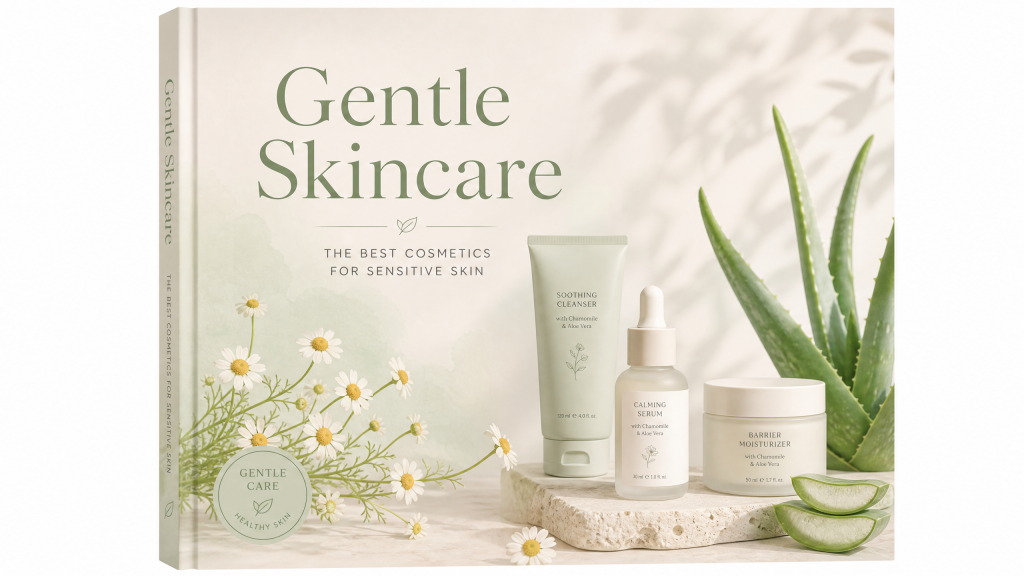
Gentle Skincare: The Best Cosmetics for Sensitive Skin
Jun
Gentle Skincare: The Best Cosmetics for Sensitive Skin
Navigating the world of skincare can be daunting, but for individuals with sensitive skin, it often feels like a minefield. The wrong product can lead to redness, irritation, itching, breakouts, or a burning sensation, transforming a simple routine into a daily struggle. Yet, gentle skincare isn’t about sacrificing efficacy; it’s about choosing products formulated with care, understanding the unique needs of delicate skin, and building a routine that nurtures rather than aggravates. This comprehensive guide will illuminate the path to calm, comfortable, and radiant skin, helping you identify the best cosmetics for sensitive skin, understand crucial ingredients, and implement practices that foster long-term skin health.
Understanding Sensitive Skin: What It Is and Its Triggers
Sensitive skin isn’t merely a skin type; it’s often a condition characterized by a compromised skin barrier, making it more reactive to environmental factors, chemicals, and even stress. This weakened barrier struggles to retain moisture and protect against irritants, leading to various uncomfortable symptoms.
Common Characteristics of Sensitive Skin:
- Redness: Prone to flushing or persistent red patches.
- Dryness & Tightness: Skin often feels taut, flaky, or dehydrated.
- Itching & Burning: A common reaction to unsuitable products or environmental aggressors.
- Rashes & Bumps: Can develop easily, sometimes mistaken for acne.
- Reactivity: Skin reacts quickly and noticeably to new products, temperature changes, or stress.
Everyday Triggers for Sensitive Skin:
Identifying and avoiding triggers is paramount for managing sensitive skin. These can vary greatly among individuals but commonly include:
- Harsh Chemicals: Found in many conventional skincare and household products.
- Fragrances: Both synthetic and natural essential oils can be highly irritating.
- Alcohol: Especially denatured alcohol, which strips the skin’s natural oils.
- Extreme Temperatures: Hot showers, very cold weather, or strong winds.
- UV Radiation: Sun exposure can exacerbate sensitivity and inflammation.
- Stress: Emotional stress can trigger inflammatory responses in the skin.
- Allergens: Pollen, pet dander, or certain ingredients in cosmetics.
- Over-Exfoliation: Physical or chemical exfoliation that is too harsh or too frequent.
By understanding these triggers, you can begin to make informed choices that protect and soothe your sensitive complexion.
The Science Behind Gentle Formulations: Key Ingredients to Look For
When selecting cosmetics for sensitive skin, the ingredient list is your most valuable tool. Opt for products that prioritize calming, hydrating, and barrier-supporting components while meticulously avoiding known irritants. The goal is to fortify the skin’s natural defenses and reduce inflammation.
Soothing & Anti-inflammatory Ingredients:
These ingredients are champions at calming irritated skin and reducing redness.
- Chamomile (Bisabolol): Known for its anti-inflammatory and soothing properties.
- Allantoin: A skin protectant that helps to soothe and heal.
- Centella Asiatica (Cica): A powerful anti-inflammatory, antioxidant, and healing agent.
- Licorice Root Extract: Helps to calm irritation and reduce hyperpigmentation.
- Oat Extract (Colloidal Oatmeal): An ancient remedy for itching and irritation, recognized by the FDA as a skin protectant.
- Niacinamide (Vitamin B3): Reduces inflammation, minimizes redness, and strengthens the skin barrier.
Hydrating & Barrier-Supporting Ingredients:
A strong skin barrier is crucial for sensitive skin. These ingredients replenish moisture and fortify the barrier.
- Hyaluronic Acid: A humectant that draws moisture from the air into the skin, plumping it up.
- Glycerin: Another excellent humectant that helps to hydrate and soften the skin.
- Ceramides: Essential lipids naturally found in the skin barrier, vital for moisture retention and protection.
- Fatty Acids (e.g., Linoleic Acid): Support the skin barrier and maintain hydration.
- Squalane: A stable emollient that mimics skin’s natural oils, providing excellent hydration without irritation.
- Panthenol (Pro-Vitamin B5): Soothes, moisturizes, and supports skin barrier repair.
Antioxidants for Protection:
Antioxidants protect sensitive skin from environmental damage and can reduce inflammation.
- Vitamin E (Tocopherol): A powerful antioxidant that also helps to moisturize.
- Green Tea Extract: Rich in polyphenols, offering anti-inflammatory and antioxidant benefits.
- Ferulic Acid: Enhances the stability and efficacy of other antioxidants like Vitamin C and E.
By prioritizing products rich in these beneficial ingredients, you equip your sensitive skin with the tools it needs to thrive.
Ingredients to Absolutely Avoid When You Have Sensitive Skin
Just as important as knowing what to look for is knowing what to steer clear of. Many common skincare ingredients, while tolerated by others, can be highly irritating for sensitive skin, leading to flare-ups and discomfort. A “less is more” approach is often best.
Fragrances (Synthetic & Natural):
Fragrance is one of the most common irritants. Both synthetic perfumes and natural essential oils (like lavender, citrus, peppermint) can cause contact dermatitis, redness, and itching in sensitive individuals. Always opt for “fragrance-free” products – not just “unscented,” which can still contain masking fragrances.
Alcohols:
Specifically, simple alcohols like ethanol, denatured alcohol, isopropyl alcohol, or alcohol denat can strip the skin’s natural lipid barrier, leading to dryness, irritation, and increased sensitivity. Fatty alcohols (like cetyl, stearyl, and cetearyl alcohol) are different; they are emollients and generally safe for sensitive skin.
Harsh Exfoliants:
While exfoliation can be beneficial, physical scrubs with abrasive particles (walnut shells, large sugar crystals) and high concentrations of chemical exfoliants (AHAs like glycolic acid, BHAs like salicylic acid) can be too aggressive for sensitive skin. If you must exfoliate, choose very gentle enzymes or low concentrations of PHAs (polyhydroxy acids) like gluconolactone, which are much milder.
Sulfates:
Sodium Lauryl Sulfate (SLS) and Sodium Laureth Sulfate (SLES) are common foaming agents found in cleansers and shampoos. They can be very stripping and irritating, leading to dryness and compromised skin barrier function.
Certain Preservatives & Dyes:
Parabens, formaldehyde-releasing preservatives (e.g., DMDM hydantoin, imidazolidinyl urea), and synthetic dyes (often listed as FD&C colors) can be contact allergens and irritants for some sensitive skin types. While not all preservatives are bad, being aware of known irritants is helpful.
Diligent label reading is your best defense against these potential aggressors. Look for certifications like “dermatologist-tested” or “hypoallergenic,” but always cross-reference with the ingredient list.
Building Your Gentle Skincare Routine: A Step-by-Step Guide
A well-structured routine for sensitive skin focuses on simplicity, consistency, and the layering of soothing, hydrating products. Every step should be gentle, aiming to support the skin’s natural functions rather than challenging them.
1. Cleansing Gently: The Foundation
Start with a mild, pH-balanced cleanser that doesn’t strip your skin. Look for creamy, milky, or gel formulas that are fragrance-free, sulfate-free, and non-foaming. Use lukewarm water, not hot, and gently massage the cleanser onto your face for about 30-60 seconds before rinsing thoroughly. Pat your skin dry with a soft towel; never rub.
- Product Type: Cream cleansers, milky cleansers, micellar water (rinse-off if possible).
- Keywords: “Soap-free,” “pH-balanced,” “non-foaming.”
2. Soothing & Hydrating Serums/Treatments: Targeted Care
After cleansing, apply a soothing serum designed to address specific concerns like redness, dryness, or irritation. Serums typically contain higher concentrations of active ingredients.
- Key Ingredients: Niacinamide, Centella Asiatica, Hyaluronic Acid, Ceramides.
- Application: Apply a few drops to damp skin for better absorption.
3. Moisturizing Effectively: The Cornerstone
A good moisturizer is non-negotiable for sensitive skin. It helps to seal in hydration, reinforce the skin barrier, and protect against environmental stressors. Choose a rich, emollient cream or balm that is fragrance-free, hypoallergenic, and non-comedogenic (won’t clog pores).
- Product Type: Rich creams, balms, lotions.
- Keywords: “Barrier repair,” “intense hydration,” “ceramide-rich.”
- Application: Apply generously to face and neck while skin is still slightly damp from serum or toner to lock in moisture.
4. Non-Irritating Sun Protection: Daily Essential
Sunscreen is perhaps the most crucial step for sensitive skin. UV radiation is a significant trigger for inflammation and can worsen existing sensitivity. Opt for mineral sunscreens (containing zinc oxide and/or titanium dioxide) as they sit on top of the skin and are less likely to cause irritation than chemical sunscreens.
- SPF: Minimum SPF 30, broad-spectrum.
- Ingredients: Zinc oxide, Titanium dioxide.
- Application: Apply as the last step in your morning routine, generously and evenly.
Remember, consistency is key. Stick to this simplified routine for several weeks to allow your skin to adjust and heal.
Makeup for Sensitive Skin: Beauty Without Breakouts
Finding makeup that doesn’t irritate sensitive skin can be challenging, but it’s certainly possible. The principles are similar to skincare: look for minimal ingredients, avoid common irritants, and prioritize gentle formulations.
Foundation & Concealer:
Opt for mineral-based foundations (zinc oxide, titanium dioxide) which are often anti-inflammatory and non-comedogenic. Look for liquid or cream formulas that offer light to medium coverage, allowing your skin to breathe. Avoid heavy, full-coverage foundations that can feel occlusive and potentially clog pores.
- Look for: “Mineral,” “non-comedogenic,” “fragrance-free,” “dermatologist-tested.”
- Avoid: Heavy silicones, excessive dyes, and strong synthetic fragrances.
Eye Makeup:
The skin around the eyes is exceptionally delicate and prone to irritation. Choose mascaras and eyeliners specifically formulated for sensitive eyes, often labeled “ophthalmologist-tested.” Powder eyeshadows are generally safer than cream formulas, which can contain more emulsifiers and preservatives.
- Tip: Replace mascara frequently (every 3-6 months) to prevent bacterial buildup.
Product Application Tips:
- Clean Tools: Always use clean makeup brushes or sponges to prevent bacteria transfer and irritation.
- Light Hand: Apply makeup with a gentle touch, especially around delicate areas.
- Minimalism: Consider using fewer products daily to reduce potential irritants.
- Remove Thoroughly: Always remove makeup before bed using a gentle cleanser or micellar water, followed by your regular cleansing routine.
The Importance of Patch Testing
Patch testing is a non-negotiable step for anyone with sensitive skin, especially when introducing a new product. It helps you identify potential irritants before applying a product to your entire face, saving you from widespread discomfort or allergic reactions.
How to Patch Test:
- Apply a small amount of the new product to a discreet, less sensitive area of your skin, such as behind your ear, on your jawline, or on the inside of your forearm.
- Leave the product on for at least 24-48 hours, or even longer if your skin is extremely reactive.
- Monitor the area for any signs of redness, itching, burning, swelling, or irritation.
- If no reaction occurs, proceed with caution, applying the product to a larger area. If a reaction does occur, discontinue use immediately.
This simple step can prevent a lot of frustration and discomfort, making your journey to gentle skincare much smoother.
Benefits of a Gentle Skincare Routine
Adopting a gentle skincare approach offers a multitude of benefits that extend beyond simply avoiding irritation. It’s an investment in the long-term health and resilience of your sensitive skin, transforming it from reactive to robust.
- Improved Skin Barrier Function: Gentle products support the natural lipid barrier, making your skin more resilient against environmental aggressors and reducing moisture loss. This leads to less dryness and tightness.
- Reduced Redness and Inflammation: By avoiding irritants and incorporating soothing ingredients, chronic redness, itching, and burning sensations are significantly diminished, promoting a more even and calm complexion.
- Enhanced Hydration and Comfort: Well-chosen moisturizers and hydrating serums lock in essential moisture, keeping your skin supple, soft, and comfortable throughout the day, eliminating that tight, dry feeling.
- Fewer Breakouts and Blemishes: A compromised barrier can paradoxically lead to breakouts. Gentle, non-comedogenic products help balance the skin, reducing inflammation that can trigger acne-like symptoms in sensitive skin.
- Long-Term Skin Health: Consistent gentle care helps prevent premature aging caused by chronic inflammation and irritation, contributing to a healthier, more youthful appearance over time.
- Increased Confidence: When your skin feels good and looks calm, your confidence naturally improves, freeing you from the constant worry of flare-ups.
Embracing gentle skincare isn’t just about managing symptoms; it’s about fostering a healthier, more balanced skin ecosystem.
Buying Guide: How to Select the Right Gentle Skincare Products
With an overwhelming array of products on the market, choosing the right ones for sensitive skin can feel like a daunting task. Here’s a practical buying guide to help you navigate the options effectively:
- Read Labels Carefully: This is your primary defense. Look for terms like “fragrance-free,” “dye-free,” “paraben-free,” “hypoallergenic,” and “non-comedogenic.” Scrutinize the ingredient list for known irritants discussed earlier.
- Prioritize Minimalism: Products with shorter ingredient lists often carry less risk of containing an irritant. Less is often more when it comes to sensitive skin.
- Look for Certifications and Endorsements: Products endorsed by dermatologists, or carrying certifications from reputable skin health organizations (e.g., National Eczema Association seal), often indicate a higher level of scrutiny for sensitive skin compatibility.
- Consider Product Type and Formulation:
- Cleansers: Opt for cream, milk, or gel textures over harsh foaming cleansers.
- Moisturizers: Balms or thick creams are often more beneficial than light lotions for barrier support.
- Sunscreen: Mineral-based (zinc oxide, titanium dioxide) is generally preferred over chemical filters.
- Start with Samples or Travel Sizes: Before investing in full-sized products, try to get samples or travel sizes, especially for higher-priced items. This allows for patch testing and a short trial period without significant financial commitment.
- Check Reviews, but Be Discerning: While reviews can offer insights, remember that everyone’s skin is unique. What works for one person may not work for another, especially with sensitive skin. Look for reviews from others who specifically mention having sensitive skin.
- Consult a Dermatologist: If you’re consistently struggling to find suitable products, a dermatologist can offer personalized recommendations and might even provide prescription-strength solutions or suggest professional treatments tailored to your skin’s needs.
Empower yourself with knowledge and patience, and you’ll build a collection of cosmetics that truly cares for your sensitive skin.
Practical Tips for Managing Sensitive Skin Daily
Beyond selecting the right products, daily habits and lifestyle choices play a crucial role in maintaining calm and comfortable sensitive skin. Incorporating these practical tips can significantly reduce flare-ups and enhance your skin’s overall health.
- Keep Your Routine Simple: Avoid using too many products simultaneously. A basic routine (gentle cleanser, serum, moisturizer, SPF) is often the most effective for sensitive skin, minimizing potential irritant exposure.
- Use Lukewarm Water: Hot water can strip natural oils and exacerbate dryness and irritation. Always use lukewarm water for cleansing and showering.
- Pat Dry, Don’t Rub: After washing, gently pat your skin dry with a soft, clean towel. Rubbing can create friction and irritation, especially on a compromised skin barrier.
- Moisturize Immediately After Cleansing: Apply your moisturizer while your skin is still slightly damp. This helps to lock in hydration and improve product absorption.
- Protect from Environmental Extremes: Shield your skin from harsh sun, strong winds, and extreme cold. Wear scarves, hats, and use broad-spectrum SPF year-round.
- Manage Stress: Stress can trigger inflammation and worsen sensitive skin conditions. Incorporate stress-reduction techniques like meditation, yoga, or deep breathing into your daily life.
- Watch Your Diet: While not a direct cure, some individuals find that avoiding certain foods (e.g., highly processed foods, excessive dairy, or spicy foods) can help manage skin inflammation. Focus on an anti-inflammatory diet rich in antioxidants.
- Stay Hydrated: Drinking plenty of water supports overall skin health, though its direct impact on skin surface hydration is debated, it’s crucial for overall body function.
- Clean Your Tools: Regularly clean makeup brushes, sponges, and even your phone screen to prevent the transfer of bacteria and irritants to your face.
- Change Pillowcases Regularly: Dirt, oils, and product residue can accumulate on pillowcases, potentially irritating sensitive skin. Change them at least once a week.
By integrating these habits, you create a supportive environment for your sensitive skin to thrive.
FAQ: Your Gentle Skincare Questions Answered
Q: Can sensitive skin use anti-aging products?
A: Yes, absolutely! Anti-aging doesn’t have to mean harsh. Look for gentle anti-aging ingredients like bakuchiol (a retinoid alternative), peptides, niacinamide, and antioxidants (Vitamins C and E). Avoid high concentrations of pure retinoids or AHAs initially. Start with low concentrations and introduce new products slowly.
Q: How long does it take to see results from gentle skincare?
A: Patience is key. While some immediate relief from irritation might be noticed, significant improvements in skin barrier function, reduced redness, and overall comfort usually take 4-6 weeks of consistent use. Skin cell turnover cycles typically last around 28 days, so allow at least one full cycle to observe changes.
Q: Is “hypoallergenic” always reliable?
A: The term “hypoallergenic” is not regulated by the FDA, meaning there’s no standardized definition or testing required. While it generally implies the product is formulated to minimize allergens, it doesn’t guarantee you won’t react. Always check the ingredient list and perform a patch test, even for “hypoallergenic” products.
Q: Should I consult a dermatologist if my sensitive skin issues persist?
A: Yes, if you’re consistently struggling with severe irritation, persistent redness, painful rashes, or suspect a specific skin condition like rosacea or eczema, consulting a dermatologist is highly recommended. They can accurately diagnose your condition, identify specific triggers, and provide tailored medical advice or prescription treatments.
Q: Can men use gentle skincare products?
A: Absolutely! Skin sensitivity affects everyone regardless of gender. Men’s skin can also benefit immensely from gentle, fragrance-free, and soothing formulations, especially when dealing with irritation from shaving or environmental exposure.
Conclusion: Embracing Your Sensitive Skin with Confidence
Caring for sensitive skin is a journey of understanding, patience, and mindful choices. By prioritizing gentle formulations, identifying and avoiding irritants, and adhering to a consistent, minimalist routine, you can transform reactive, uncomfortable skin into a calm, resilient, and radiant complexion. Remember that sensitivity doesn’t mean sacrificing beauty or efficacy; it simply means choosing products that respect and nurture your skin’s unique needs.
Embrace the power of gentle skincare. With the right approach, you can step out with confidence, knowing your skin is not just surviving, but truly thriving.
