Post
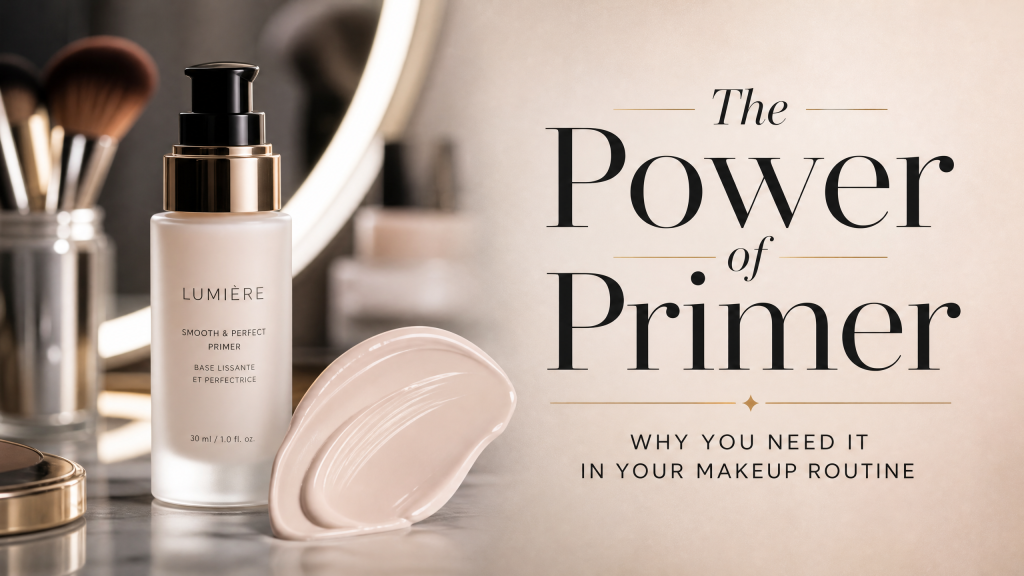
The Power of Primer: Why You Need It in Your Makeup Routine
Jun
The Power of Primer: Why You Need It in Your Makeup Routine
In the vast and ever-evolving world of makeup, countless products promise to transform your look, enhance your features, and simplify your routine. Among these, one unsung hero often gets overlooked or misunderstood: the makeup primer. For many, it’s an optional step, a luxury rather than a necessity. However, understanding the true power of primer reveals it to be an indispensable tool, a foundational element that can elevate your entire makeup application from good to absolutely exceptional. If you’ve ever wondered how to achieve a smoother canvas, extend the wear of your foundation, or minimize the appearance of pores, then it’s time to unlock the secrets of primer. Let’s delve deep into why this often-underestimated product deserves a permanent spot in your daily beauty arsenal.
What is Makeup Primer? The Essential First Step
At its core, a makeup primer is a preparatory product applied to the skin after skincare but before makeup. Think of it as the perfect canvas setter for your face. Its primary function is to create a smooth, even surface for foundation, concealer, and other face makeup to adhere to, ensuring a more seamless application and a longer-lasting finish. Primers essentially form a thin, invisible barrier between your skin and your makeup.
Historically, primers were simple, silicone-based formulas designed primarily for blurring and creating a slick base. Today, the market is flooded with sophisticated primers formulated with a multitude of active ingredients, catering to virtually every skin concern and makeup need. From hydrating and mattifying to color-correcting and pore-minimizing, modern primers are multitasking marvels engineered to tackle specific challenges, making them far more than just a pre-foundation step. They are the secret weapon to unlocking your makeup’s full potential, ensuring it looks fresh and flawless from morning till night.
The Undeniable Benefits of Using a Primer
Integrating a primer into your makeup routine offers a cascade of advantages that collectively contribute to a more professional, polished, and enduring look. Here’s a detailed breakdown of the transformative benefits you can expect:
- Extended Makeup Wear: This is arguably the most celebrated benefit. Primer creates a grippy base that helps your foundation, concealer, and even blush cling to your skin for significantly longer. It acts as a shield, preventing makeup from fading, creasing, or settling into fine lines throughout the day, ensuring your look remains fresh from application to removal.
- Smoother, More Even Canvas: Primers excel at blurring imperfections. They fill in fine lines, pores, and textural irregularities, creating an incredibly smooth surface. This allows foundation to glide on effortlessly and seamlessly, resulting in an airbrushed finish that looks naturally perfect.
- Pore and Fine Line Minimization: Many primers contain ingredients like silicones that physically fill in and smooth over enlarged pores and superficial wrinkles. This optical blurring effect makes them far less noticeable, contributing to an overall refined complexion.
- Oil Control and Shine Reduction: For those with oily or combination skin, mattifying primers are a game-changer. They absorb excess sebum throughout the day, preventing unwanted shine and keeping your T-zone looking fresh and matte. This significantly reduces the need for constant touch-ups.
- Hydration Boost: On the flip side, hydrating primers infuse dry skin with much-needed moisture. They create a dewy, plump canvas that prevents makeup from clinging to dry patches or looking cakey, ensuring a comfortable wear that doesn’t compromise on finish.
- Color Correction: Specialized color-correcting primers can neutralize specific skin concerns before foundation application. Green primers combat redness, peach or orange primers address dark circles or hyperpigmentation, and lavender primers brighten dullness, allowing your foundation to perform optimally without having to layer on too much product.
- Enhanced Color Vibrancy: Especially true for eye and lip primers, they can create a neutral, even base that makes eyeshadows and lipsticks appear more vibrant and true to color. This prevents shades from looking muddy or fading throughout the day.
- Protection from Environmental Factors: Some primers offer additional benefits like SPF protection, antioxidant properties, or anti-pollution ingredients, adding another layer of defense to your skin before makeup application.
By addressing these common makeup frustrations, primer not only improves the aesthetics of your look but also boosts your confidence in its staying power and overall presentation.
Understanding Different Types of Primers for Every Need
The vast array of primers available means there’s a perfect match for every skin type and concern. Knowing the different categories can help you narrow down your choices and find your ideal formulation.
Mattifying Primers
Designed for oily and combination skin types, these primers contain ingredients like silica or clay derivatives that absorb excess oil and control shine. They create a velvety matte finish, keeping your complexion shine-free for hours and preventing makeup from breaking down due to oil. They often have a slightly thicker, almost powdery texture.
Hydrating Primers
Ideal for dry, dehydrated, or normal skin, hydrating primers are packed with moisturizing ingredients such as hyaluronic acid, glycerin, and emollients. They flood the skin with moisture, creating a plump, dewy base that prevents foundation from clinging to dry patches and ensures a smooth, non-cakey finish. They typically have a creamy or gel-like consistency.
Pore-Minimizing / Blurring Primers
These primers are formulated to create an optical illusion, making pores and fine lines appear less noticeable. They often contain silicone-based polymers that fill in imperfections, creating a silky-smooth surface for makeup. They’re excellent for achieving an airbrushed, soft-focus effect.
Color-Correcting Primers
These primers utilize the principles of color theory to neutralize specific skin discolorations.
- Green primers: Counteract redness (rosacea, blemishes).
- Lavender/Purple primers: Brighten dull, sallow, or yellowish undertones.
- Peach/Orange primers: Conceal dark circles or hyperpigmentation on medium to deep skin tones.
They create a more even base before foundation, reducing the amount of concealer needed.
Illuminating / Radiance-Boosting Primers
For those desiring a luminous, lit-from-within glow, illuminating primers are perfect. They contain light-reflecting particles or ingredients that impart a subtle radiance to the skin, making it look healthy and vibrant. They can be worn alone for a natural glow or under foundation for added luminosity.
Silicone-Based vs. Water-Based Primers
Understanding the base of your primer is crucial for compatibility with your foundation. Silicone-based primers often create a very smooth, slippery feel, excelling at blurring pores and fine lines. Water-based primers are lighter, often gel-like, and typically suitable for those who prefer a less occlusive feel or have sensitive skin. A general rule of thumb is to pair a silicone-based primer with a silicone-based foundation, and a water-based primer with a water-based foundation, to prevent pilling or separation.
How to Choose the Right Primer for Your Skin Type: Your Ultimate Buying Guide
Selecting the perfect primer is key to unlocking its full potential. The best primer for you will directly address your primary skin concerns and complement your skin type.
For Oily Skin
Look for keywords like “mattifying,” “oil-control,” “shine-free,” or “pore-minimizing.” Ingredients to seek out include silica, clay, salicylic acid, or charcoal. These primers will help absorb excess oil, minimize shine, and prevent your makeup from sliding off throughout the day. Opt for lightweight, non-comedogenic formulas to avoid exacerbating breakouts.
For Dry Skin
Prioritize “hydrating,” “moisturizing,” “dewy,” or “radiance-boosting” primers. Key ingredients are hyaluronic acid, glycerin, squalane, or nourishing oils. These will provide an extra layer of moisture, prevent foundation from clinging to dry patches, and create a smooth, comfortable base. Avoid overly mattifying or heavily silicone-based primers which can sometimes feel drying.
For Combination Skin
You might benefit from a multi-tasking primer or even “cocktailing” different primers. Consider a mattifying primer for your T-zone (forehead, nose, chin) where you tend to get oily, and a hydrating primer for drier areas like your cheeks. Alternatively, a balancing primer that offers light hydration without adding shine can be a good all-rounder.
For Sensitive or Acne-Prone Skin
Look for “fragrance-free,” “non-comedogenic,” “hypoallergenic,” and “oil-free” formulas. Mineral-based or water-based primers are often gentler. Avoid primers with heavy silicones or irritating essential oils. Some primers even contain soothing ingredients like aloe vera or chamomile.
For Mature Skin
Primers labeled “anti-aging,” “smoothing,” “lifting,” or “hydrating” are excellent choices. They often contain ingredients like peptides, antioxidants, or hyaluronic acid to plump the skin, minimize the appearance of fine lines and wrinkles, and provide a radiant, youthful glow. Hydration is key here to prevent makeup from settling into lines.
For Dull Skin
Reach for “illuminating,” “radiance-boosting,” or “brightening” primers. These often contain subtle pearlized pigments or Vitamin C derivatives to give your skin a luminous, healthy glow. They can be worn under foundation or mixed with it for an all-over radiant finish.
Always check the ingredient list and consider purchasing travel-sized versions or samples to test how a primer interacts with your skin and your preferred foundation before committing to a full-sized product.
Mastering Primer Application: Practical Tips for a Flawless Finish
Applying primer correctly is just as important as choosing the right one. A few simple techniques can make a significant difference in your makeup’s overall appearance and longevity.
- Start with a Clean, Moisturised Base: Primer is the step after your full skincare routine (cleanser, toner, serum, moisturizer, SPF). Ensure your skin is thoroughly cleansed and moisturized, and allow your moisturizer to fully absorb for a few minutes before applying primer.
- Less is More: A common mistake is using too much primer. A pea-sized amount is usually sufficient for the entire face. Using too much can lead to pilling (little balls of product forming) or make your makeup slide around.
- Apply with Fingertips or a Sponge: For most primers, your clean fingertips work best. The warmth of your fingers helps the product melt into the skin for a seamless application. You can also use a damp beauty sponge for an even, diffused finish, especially with hydrating or illuminating primers. Avoid rubbing harshly; gentle patting or smoothing motions are ideal.
- Focus on Key Areas: You don’t necessarily need to apply primer everywhere. If you have oily patches only in your T-zone, apply a mattifying primer there. If you have large pores on your cheeks, focus a pore-minimizing primer specifically on those areas.
- Allow Absorption Time: This is crucial! Give your primer 60-90 seconds to fully set and create that ideal canvas before you apply foundation. This prevents the primer and foundation from mixing together and ensures each product can do its job effectively.
- Layering for Specific Concerns: For complex skin concerns, you can strategically layer different types of primers. For example, a mattifying primer on the T-zone and a hydrating primer on the cheeks, followed by a light layer of pore-minimizing primer where needed. Always allow each layer to set slightly before applying the next.
- Gentle Patting for Pore Primers: When using pore-filling primers, gently pat the product into the areas with larger pores rather than rubbing. This pushes the product into the pores, creating a smoother fill.
By following these tips, you’ll maximize the benefits of your primer, creating the perfect foundation for a truly flawless makeup look.
Expanding Your Routine: Specialized Primers for Eyes and Lips
While face primers are essential, the world of priming extends beyond your main canvas. Dedicated primers for eyes and lips offer targeted benefits that significantly enhance the performance of your eyeshadows and lip products.
Eye Primers
Eye primers are specifically formulated for the delicate skin of the eyelids, which is often more prone to oiliness, creasing, and discoloration.
- Prevents Creasing: They create a smooth, tacky base that locks eyeshadows in place, preventing them from settling into the fine lines and creases of your eyelids, especially crucial for those with oily lids.
- Intensifies Color: Eye primers often have a neutral or slightly tinted base that cancels out any natural discoloration on the lids, allowing eyeshadow colors to appear more vibrant, true to pan, and opaque.
- Extends Wear: Similar to face primers, eye primers significantly boost the longevity of your eyeshadow, preventing fading, smudging, or flaking throughout the day, even in humid conditions.
- Smoother Application: They provide a uniform surface that makes blending eyeshadows easier and more seamless, reducing patchiness.
A tiny dab is all you need for each eyelid, smoothed out with a finger or brush before applying any eyeshadow.
Lip Primers
Lip primers, though less commonly used than eye primers, are game-changers for those who struggle with lipstick wear, feathering, or dry lips.
- Prevents Feathering and Bleeding: They create a barrier that keeps lipstick from migrating into the fine lines around the mouth, maintaining a crisp, clean lip line.
- Extends Lipstick Wear: Lip primers create a grippy base that helps lipstick adhere better and last longer, reducing the need for touch-ups.
- Smooths Lip Texture: Many lip primers have hydrating and smoothing properties that can blur the appearance of lip lines and create a softer, more even surface for lipstick application, especially beneficial for matte formulas.
- Enhances Color Payoff: By creating a neutral base, they can help your lipstick color appear more true-to-tube and vibrant.
Apply a thin layer to clean, dry lips, allowing it to set for a moment before applying lip liner and lipstick.
Incorporating these specialized primers can truly elevate the precision and staying power of your entire makeup look, ensuring every detail is picture-perfect.
Frequently Asked Questions About Primer
Do I *really* need primer in my makeup routine?
While you can technically apply makeup without it, primer is invaluable for anyone seeking extended wear, a smoother finish, or solutions for specific skin concerns (like oiliness, dryness, or large pores). It acts as an insurance policy for your makeup, making it look better and last longer. If you struggle with makeup fading, creasing, or looking patchy, a primer is a must-try.
Can I skip moisturizer if my primer is hydrating?
It’s generally not recommended. Moisturizer is an essential skincare step that provides deep hydration and nourishment to your skin. A hydrating primer provides surface-level moisture to prepare for makeup but isn’t a substitute for your daily moisturizer. Think of it as an extra boost, not a replacement for your core skincare.
How much primer should I use?
Less is often more! For the entire face, a pea-sized amount is usually sufficient. Using too much can cause your makeup to pill or slide. Focus on applying thin layers and only to the areas where you need it most.
What’s the difference between silicone-based and water-based primers?
Silicone-based primers often have a smooth, velvety feel, excel at blurring pores and fine lines, and create a strong barrier. Water-based primers are typically lighter, gel-like, and focus more on hydration or a breathable feel. The key is compatibility: generally, use a silicone primer with a silicone-based foundation, and a water-based primer with a water-based foundation, to prevent separation or pilling.
Does primer clog pores or cause breakouts?
Not necessarily. While some older or heavier formulations might, modern primers are often non-comedogenic (meaning they are formulated not to clog pores). If you have acne-prone skin, look for oil-free, non-comedogenic primers, and always ensure you thoroughly cleanse your face at the end of the day to remove all makeup and primer residue.
Can I wear primer alone without foundation?
Absolutely! Many people enjoy wearing primer on its own, especially those with blurring, illuminating, or color-correcting properties. It can subtly perfect the skin, minimize pores, or add a healthy glow without the coverage of foundation, creating a “no-makeup makeup” look.
Conclusion: Embrace the Primer Difference
Far from being an optional luxury, makeup primer stands as a cornerstone of an effective and satisfying makeup routine. Its ability to create a flawless canvas, extend wear, address specific skin concerns, and enhance the performance of subsequent products makes it an indispensable asset for anyone serious about their beauty regimen. Whether you battle oily skin, yearn for a dewy glow, or simply desire your makeup to last from dawn till dusk, there’s a primer perfectly formulated to meet your needs.
By understanding the different types, selecting the right one for your skin, and mastering a few simple application techniques, you can unlock a new level of makeup perfection. Don’t let your makeup fall short – give it the foundation it deserves. Embrace the power of primer, and prepare to be amazed by the noticeable difference it makes to your entire look, ensuring your beauty truly endures.
