Post
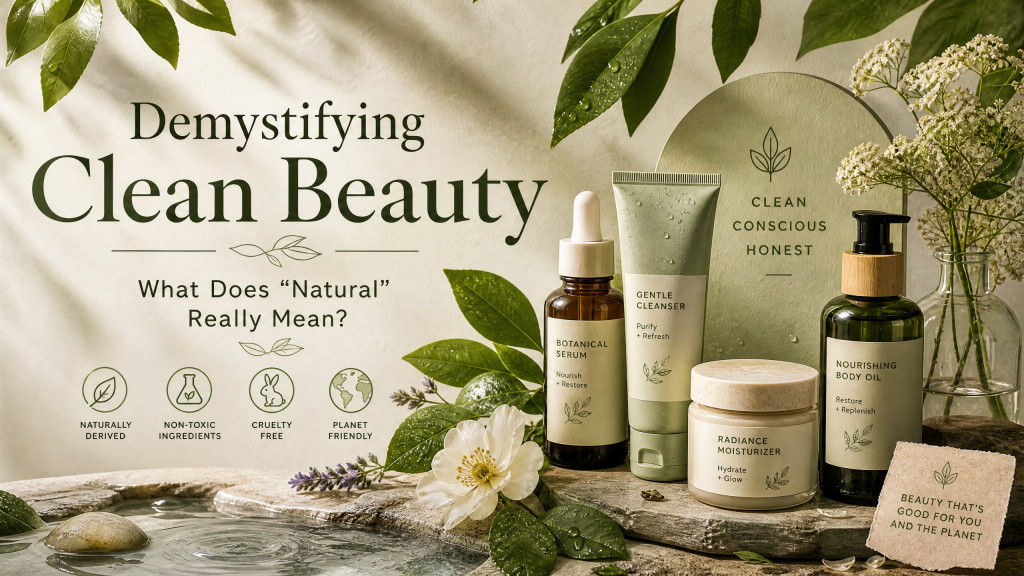
Demystifying Clean Beauty: What Does “Natural” Really Mean?
Jun
Demystifying Clean Beauty: What Does “Natural” Really Mean?
The beauty industry has undergone a radical transformation in recent years, with terms like “clean,” “organic,” and “natural” dominating marketing campaigns and consumer discussions. Amidst this booming trend, one word frequently emerges as both a promise and a source of profound confusion: “natural.” For many consumers, “natural” beauty conjures images of pure, unadulterated ingredients sourced directly from the earth, free from synthetic chemicals and harsh additives. However, the reality is far more nuanced, often complicated by a lack of clear regulation and pervasive greenwashing.
In a world where product labels can be intentionally vague and marketing claims easily mislead, understanding what “natural” truly signifies in the context of clean beauty is paramount. Is a product natural just because it contains one botanical extract amidst a host of synthetics? Does “natural” automatically equate to “safe” or “effective”? This comprehensive guide aims to peel back the layers of marketing hype, clarify the complex definitions, and empower you to navigate the clean beauty landscape with confidence, making truly informed choices that align with your health and environmental values.
The Allure and Ambiguity of “Natural” in Beauty
Why “Natural” Appeals to Consumers
The appeal of “natural” in beauty is deeply rooted in our desire for simplicity, purity, and a return to basics. In an increasingly complex world, the idea of using products derived directly from nature feels inherently safer and more wholesome. Consumers often associate natural ingredients with ancient remedies, fewer side effects, and a gentler approach to skincare and self-care. This perception is further amplified by a growing distrust of synthetic chemicals, fueled by concerns over potential long-term health impacts, environmental pollution, and the omnipresent threat of irritations or allergic reactions often linked to conventional formulations. Brands capitalize on this sentiment, knowing that the “natural” label can instantly convey a sense of wellness and trustworthiness, even when the underlying science or ingredient sourcing may tell a different story.
The Regulatory Void: A Definition Dilemma
Despite its widespread use, one of the biggest challenges surrounding “natural” in beauty is the stark absence of a universal, legally binding definition. Unlike terms such as “organic,” which in many countries (like the US with USDA Organic) are subject to strict certification standards, “natural” is largely unregulated in the cosmetics industry. This regulatory void means that brands have significant leeway in how they apply the term to their products. A company can claim a product is “natural” even if it contains only a tiny percentage of naturally sourced ingredients, while the majority of its formulation might consist of synthetic compounds. This lack of oversight makes it incredibly difficult for consumers to discern genuine natural products from those merely using the term for marketing purposes, leading directly to the phenomenon of greenwashing and widespread confusion across the marketplace.
Beyond “Natural”: Unpacking the Pillars of Clean Beauty
While “natural” is a buzzword, the broader concept of “clean beauty” encompasses a more rigorous and multifaceted philosophy. It moves beyond a simplistic focus on nature to prioritize health, safety, and transparency. Understanding these core pillars is essential for truly demystifying the modern beauty landscape.
Ingredient Safety: The Core Principle
At the heart of clean beauty lies an unwavering commitment to ingredient safety. This pillar isn’t solely about whether an ingredient originated from a plant or a lab; it’s about its known impact on human health and the environment. Clean beauty brands meticulously formulate products to avoid specific ingredients that are scientifically linked to health concerns, such as carcinogens, endocrine disruptors, allergens, or reproductive toxins. Common “no-no” lists often include parabens, phthalates, sulfates (SLS/SLES), synthetic fragrances, formaldehyde-releasing preservatives, and certain petroleum derivatives. The focus is on non-toxic beauty, ensuring that every component of a product is rigorously vetted for its safety profile. Reputable third-party certifications like EWG Verified or Made Safe play a crucial role here, providing consumers with an external validation of a product’s adherence to stringent safety standards.
Sustainability and Ethical Sourcing
Clean beauty extends beyond personal health to embrace a broader responsibility towards the planet and its inhabitants. Sustainability is a critical pillar, dictating that ingredients should be sourced and manufactured with minimal environmental impact. This includes considering biodegradability, responsible land management, water conservation, and reducing carbon footprints. Ethical sourcing is equally important, ensuring that ingredients are obtained through fair trade practices, supporting local communities, and guaranteeing fair wages and safe working conditions for laborers. Cruelty-free practices, meaning no animal testing at any stage of product development, are also non-negotiable for most clean beauty brands. Packaging also falls under this umbrella, with a strong emphasis on recyclable, refillable, or biodegradable materials to reduce waste and promote a circular economy.
Transparency and Education
Perhaps the most empowering pillar of clean beauty is its commitment to radical transparency. Brands dedicated to clean principles go beyond simply listing ingredients; they strive to educate consumers about their choices. This means openly disclosing sourcing origins, manufacturing processes, ingredient percentages, and even the rationale behind including certain “naturally derived” or safe synthetic components. A transparent brand will have a readily available ingredient glossary, explain its internal standards, and welcome consumer inquiries. This level of openness builds trust and empowers consumers to make truly informed decisions, transforming them from passive buyers into active participants in their beauty journey. It allows individuals to align their purchases with their personal values, whether those are focused on health, environmental impact, or social justice.
Natural vs. Naturally Derived vs. Synthetic: A Crucial Distinction
To truly understand the landscape of clean beauty, it’s essential to differentiate between three key categories of ingredients often found in formulations. The blanket term “natural” often obscures these vital distinctions, which have implications for product efficacy, stability, and safety.
Truly Natural Ingredients
These are ingredients found directly in nature and used in their whole or minimally processed form. Think of cold-pressed plant oils (like jojoba, argan, or coconut oil), botanical extracts, essential oils, clays, honey, and waxes (like beeswax). Their processing typically involves mechanical methods such as pressing, distillation, or filtration, without significant chemical alteration. While these ingredients are celebrated for their direct connection to nature and often rich nutrient profiles, it’s important to remember that “natural” does not automatically equate to “hypoallergenic.” Many potent allergens, such as certain essential oils or nut extracts, are entirely natural. Furthermore, their stability can be a challenge; without proper formulation and preservation, they can be prone to oxidation or microbial growth, which can render them ineffective or even harmful.
Naturally Derived Ingredients
This category forms a significant bridge in clean beauty, offering the best of both worlds in many cases. Naturally derived ingredients start from a natural source but undergo some form of chemical processing to create a new compound with specific functional properties. Examples include plant-based surfactants (cleansing agents derived from coconut or corn), glycerin (often derived from vegetable oils), or hyaluronic acid (often bio-fermented from plant sugars). The processing transforms the original natural material, often enhancing its stability, efficacy, or safety profile. For instance, creating a stable, gentle cleanser from coconut oil requires a chemical process. The key here is the ‘green chemistry’ principles applied to this processing – ensuring the methods are environmentally sound and the resulting ingredients are safe and effective. These ingredients are crucial for creating complex, high-performing products that retain a strong connection to natural origins while offering the benefits of modern cosmetic science.
Safe Synthetics: The Unsung Heroes
One of the biggest misconceptions in clean beauty is that all synthetic ingredients are inherently bad. In reality, many synthetic ingredients are not only safe but also highly effective and, in some cases, even more sustainable or less allergenic than their natural counterparts. Safe synthetics are typically lab-created compounds that are structurally identical or functionally similar to natural molecules, or they are entirely novel compounds developed for specific benefits. Examples include certain forms of Vitamin C (ascorbic acid derivatives), peptides, some stable preservatives (like phenoxyethanol in low concentrations, when deemed safe by regulatory bodies), and even specific dyes or fragrances that have been rigorously tested for safety. Synthetics offer consistency, purity, and can often be manufactured without depleting natural resources or causing allergic reactions common with some natural extracts. A truly clean beauty approach doesn’t demonize all synthetics but rather evaluates each ingredient, natural or synthetic, based on its safety profile, efficacy, and environmental impact.
The Benefits of Embracing Truly Clean and Thoughtfully Sourced Beauty
Moving beyond the marketing hype, there are tangible and significant advantages to adopting a beauty routine centered around genuinely clean and responsibly sourced products. These benefits extend from personal well-being to broader environmental stewardship, reinforcing why informed choices matter.
Improved Skin Health and Reduced Sensitivity
One of the most immediate and noticeable benefits of transitioning to clean beauty is a potential improvement in skin health. By eliminating ingredients known to be harsh irritants, allergens, or endocrine disruptors (such as synthetic fragrances, certain preservatives, and harsh sulfates), you reduce the burden on your skin. This often leads to a decrease in redness, inflammation, breakouts, and overall sensitivity. Many clean formulations prioritize nourishing, biocompatible ingredients that support the skin’s natural barrier function, promoting long-term resilience and a healthier, more balanced complexion. For individuals with sensitive skin, allergies, or conditions like eczema and rosacea, a clean routine can provide much-needed relief and stability.
Peace of Mind and Informed Choices
In a world saturated with products, knowing exactly what you’re putting on your body offers immense peace of mind. Clean beauty, with its emphasis on transparency, empowers consumers to make informed decisions rooted in scientific understanding and ethical considerations, rather than simply relying on marketing claims. This conscious consumption aligns with a holistic lifestyle, where personal health and well-being are paramount. When you choose clean products, you’re not just buying a cosmetic; you’re investing in a philosophy that values your health, supports responsible businesses, and encourages a deeper connection to the ingredients you use daily.
Environmental and Ethical Impact
Beyond individual benefits, opting for clean and thoughtfully sourced beauty products contributes positively to the planet and its people. By supporting brands committed to sustainable sourcing, biodegradable ingredients, and eco-friendly packaging, you help reduce the overall environmental footprint of the beauty industry. This means less chemical runoff polluting water systems, less waste filling landfills, and a decrease in the demand for non-renewable resources. Furthermore, choosing brands that prioritize ethical labor practices and are certified cruelty-free ensures that your beauty routine aligns with broader social justice values, supporting fair wages, safe working conditions, and respect for animal welfare. Your purchasing power becomes a vote for a more responsible and compassionate global supply chain.
Navigating the Greenwashing Maze: How to Be a Savvy Clean Beauty Shopper
The clean beauty market is booming, but with growth comes the challenge of distinguishing genuine efforts from misleading marketing tactics. Greenwashing – the practice of making unsubstantiated or deceptive claims about the environmental or “natural” benefits of a product – is rampant. Becoming a savvy clean beauty shopper requires a discerning eye and a commitment to looking beyond the surface.
Read Ingredient Lists (INCI) – Don’t Just Trust Labels
This is arguably the most crucial tip. Marketing claims like “pure,” “botanical,” or “chemical-free” mean very little without context. Always turn the product over and read the full International Nomenclature of Cosmetic Ingredients (INCI) list. Ingredients are listed in descending order of concentration, so the first few ingredients make up the bulk of the product. Familiarize yourself with common red-flag ingredients you wish to avoid (e.g., parabens, phthalates, synthetic fragrances, formaldehyde releasers, certain PEGs). Tools like the EWG Skin Deep database or mobile apps can help you quickly research individual ingredients while shopping. Don’t be swayed by a single “natural” ingredient highlighted on the front if the rest of the list is questionable.
Look for Reputable Certifications
While no single certification is perfect, third-party seals of approval offer a layer of vetting and reassurance that a brand adheres to specific, predetermined standards. Be on the lookout for:
- EWG Verified: Signifies that a product meets the Environmental Working Group’s strict health standards and contains no ingredients of concern.
- USDA Organic: Primarily for agricultural products, but if a cosmetic contains a high percentage of organic agricultural ingredients, this label is robust. Note: It doesn’t certify the entire formula as “clean” in a broader sense.
- COSMOS or Ecocert: European standards for organic and natural cosmetics, focusing on origin, processing, and environmental management.
- Made Safe: Certifies products are made without ingredients known or suspected to harm human health.
- Leaping Bunny or PETA Cruelty-Free: Focus specifically on no animal testing.
Remember to understand what each certification *specifically* covers, as their scopes can vary.
Research Brands and Their Philosophies
A truly clean brand will be transparent about its values, sourcing, and manufacturing practices. Visit their “About Us” or “Sustainability” pages. Do they provide detailed information about their ingredient philosophy? Are they open about their supply chain? Do they have a clear stance on ethical labor and environmental impact? Look for brands that actively educate their consumers rather than just selling products. Reviews from independent beauty experts and consumer advocacy groups can also provide valuable insights into a brand’s true commitment to clean principles.
Be Wary of “Free From” Claims
The “free-from” marketing strategy can be a double-edged sword. While it’s good to avoid harmful ingredients, some brands highlight “free from” claims (e.g., “paraben-free”) while replacing them with equally or more problematic alternatives. A product might be “sulfate-free” but still contain other harsh cleansing agents. Always question what is *in* the product, not just what isn’t. The absence of one ingredient doesn’t guarantee the safety or cleanliness of the entire formulation.
Practical Tips for Transitioning to a Cleaner Beauty Routine
Embarking on a clean beauty journey doesn’t have to be overwhelming or require an immediate overhaul of your entire vanity. By adopting a strategic and mindful approach, you can gradually integrate cleaner options that genuinely benefit your skin and align with your values.
Start Small and Gradually Replace
Instead of throwing out all your current products, begin by identifying the items you use most frequently or that cover the largest surface area of your skin. Daily moisturizers, cleansers, and foundations are great starting points. As a product runs out, replace it with a cleaner alternative. This approach is gentler on your wallet and allows your skin to gradually adjust to new formulations. Consider making a “dirty dozen” list of ingredients you absolutely want to avoid and prioritize finding replacements for products containing them.
Patch Test New Products
Even products labeled “natural” or “clean” can cause reactions, especially if you have sensitive skin or specific allergies (e.g., to essential oils or botanical extracts). Before applying a new product all over your face or body, perform a patch test. Apply a small amount to an inconspicuous area, like behind your ear or on the inside of your forearm, and wait 24-48 hours to check for any redness, irritation, or itching. This simple step can save you from widespread discomfort.
Embrace a Minimalist Approach
Often, a cluttered beauty routine filled with numerous products can contribute to skin irritation and confusion. As you transition to clean beauty, consider adopting a more minimalist philosophy. Focus on multi-tasking products and prioritize essentials: a gentle cleanser, a targeted serum, a nourishing moisturizer, and daily sun protection. Fewer products often mean fewer potential irritants and a clearer understanding of what your skin truly needs. This approach not only simplifies your routine but also reduces overall consumption and waste.
Store Products Correctly
Many clean and natural beauty products, especially those with fewer synthetic preservatives, can be more susceptible to spoilage. Pay attention to the “Period After Opening” (PAO) symbol (an open jar icon with a number like “6M” for 6 months) on the packaging. Store products in a cool, dark place away from direct sunlight and excessive humidity (like inside a cabinet, not on the edge of your tub). Close lids tightly after each use to prevent contamination and exposure to air, which can accelerate oxidation and bacterial growth. Some formulations might even benefit from refrigeration, so always check the product’s specific storage recommendations.
Frequently Asked Questions About Natural and Clean Beauty
Is “organic” the same as “natural” in beauty?
No, they are distinct terms. “Organic” refers to the farming practices used to grow ingredients, specifically meaning they were cultivated without synthetic pesticides, herbicides, or GMOs. While many organic ingredients are natural, not all natural ingredients are organic (they might not be certified, or come from wild harvesting, etc.). More importantly, a product can contain organic ingredients but still have synthetic components, making it not “clean” by some standards. Conversely, a product can be “clean” and free from harmful chemicals without being entirely organic, if it uses safe, naturally derived, or synthetic ingredients.
Are natural preservatives always safer than synthetic ones?
Not necessarily. While the goal is to minimize harmful chemicals, some natural preservatives can be less effective, leading to microbial growth, or can even be more allergenic or irritating than carefully selected synthetic preservatives. For example, some essential oils used for preservation can be irritating. Safe, broad-spectrum synthetic preservatives are often necessary for product stability, efficacy, and consumer safety, preventing bacterial and fungal contamination that could pose significant health risks. A truly clean approach prioritizes overall ingredient safety, regardless of origin, and efficacy in preservation.
Can “natural” ingredients cause allergies or irritation?
Absolutely. The idea that “natural equals safe” is a common misconception. Many potent allergens are entirely natural, such as essential oils (e.g., lavender, tea tree), nut oils (e.g., almond, peanut), pollen, and various plant extracts. Even common ingredients like citrus oils or certain botanical extracts can cause phototoxicity or skin sensitization in some individuals. Always perform a patch test, even with natural products, and remember that “hypoallergenic” simply means “less likely to cause an allergic reaction,” not “impossible to cause one.”
Do clean beauty products expire faster?
Often, yes. Products formulated with fewer or milder synthetic preservatives, or a higher concentration of fresh, natural ingredients, tend to have a shorter shelf life once opened. This is why you’ll often see “Period After Opening” (PAO) symbols on clean beauty products indicating they should be used within 6 or 12 months after opening. Always check these symbols and store your products correctly (cool, dark place) to maximize their freshness and efficacy. If a natural product develops an unusual smell, color, or texture, it’s best to discard it.
Is clean beauty more expensive?
Clean beauty products can sometimes have a higher price point than conventional alternatives. This is often due to several factors: the cost of sustainably and ethically sourced raw ingredients, smaller batch production (which is common for clean brands), the expense of obtaining third-party certifications, and the investment in eco-friendly packaging. However, the market is rapidly expanding, and many affordable clean beauty brands are emerging, making conscious choices more accessible. Furthermore, considering the long-term benefits to your health and the environment, many consumers view it as a worthwhile investment.
Conclusion
The journey through the clean beauty landscape reveals that the term “natural” is far more complex than it initially appears. It is not a straightforward guarantee of safety, purity, or ethical sourcing, but rather a powerful, often unregulated, marketing tool. True clean beauty transcends this singular focus, embracing a holistic philosophy built on ingredient safety, rigorous transparency, unwavering sustainability, and ethical practices.
By demystifying the nuanced distinctions between natural, naturally derived, and safe synthetic ingredients, and by understanding the pervasive nature of greenwashing, you are now equipped to be a discerning and empowered consumer. The power lies not in blindly trusting labels, but in meticulously reading ingredient lists, seeking reputable certifications, and aligning with brands that embody genuine transparency and a commitment to health and the planet.
Embracing a cleaner beauty routine is a conscious decision—a vote for personal well-being, environmental stewardship, and a more ethical industry. It’s a continuous learning process, but with the knowledge gained here, you can confidently navigate the shelves, make informed choices, and contribute to a healthier, more sustainable future, one thoughtfully chosen product at a time.
