Post
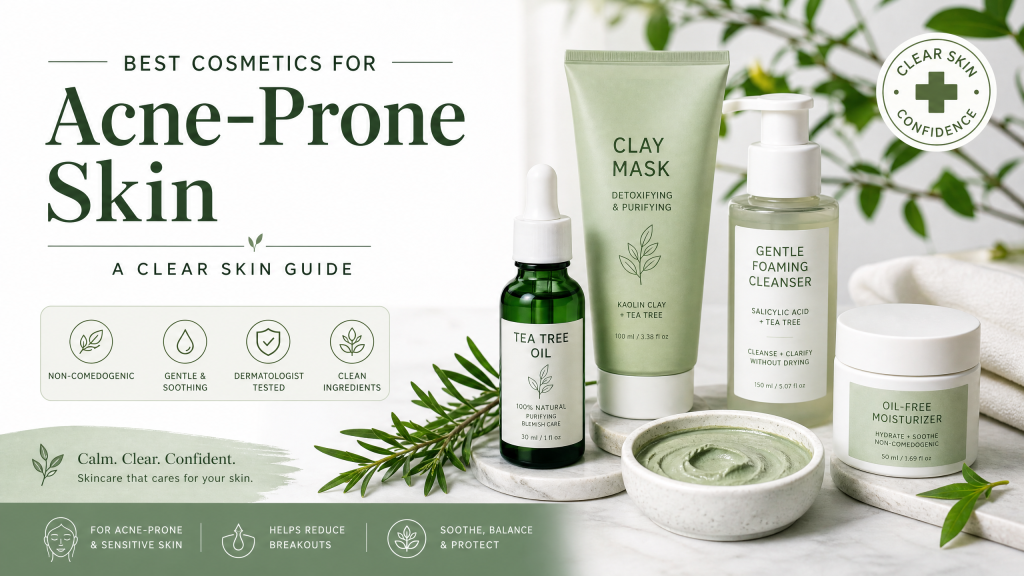
Best Cosmetics for Acne-Prone Skin: A Clear Skin Guide
Jun
Best Cosmetics for Acne-Prone Skin: A Clear Skin Guide
Living with acne-prone skin can be a constant battle, especially when it comes to choosing the right cosmetics. The wrong products can exacerbate breakouts, clog pores, and lead to further irritation, turning a quest for beauty into a frustrating cycle. But fear not! Achieving clear, radiant skin while still enjoying your favorite beauty routines is entirely possible. The key lies in understanding your skin’s unique needs and making informed choices about the ingredients and formulations you apply.
This comprehensive guide is designed to empower you with the knowledge to navigate the vast world of cosmetics. We’ll explore the essential ingredients to look for, the harmful ones to avoid, and recommend specific product categories tailored for acne-prone complexions. From cleansers and moisturizers to foundations and sunscreens, we’ll equip you with practical tips and a buying guide to help you build a clear-skin-friendly beauty regimen. Get ready to transform your approach to cosmetics and unlock your skin’s true potential.
Understanding Acne-Prone Skin: More Than Just Pimples
Acne-prone skin is characterized by a propensity for developing acne lesions, which include blackheads, whiteheads, papules, pustules, cysts, and nodules. This predisposition stems from a combination of factors:
- Excess Sebum Production: Overactive sebaceous glands produce too much oil, making the skin feel greasy and creating a fertile ground for bacteria.
- Clogged Pores: Dead skin cells, combined with excess oil, can accumulate and block hair follicles.
- Bacterial Growth: Propionibacterium acnes (P. acnes), a common skin bacterium, thrives in clogged, oxygen-deprived follicles, leading to inflammation.
- Inflammation: The body’s immune response to bacteria and clogged pores results in redness, swelling, and pain characteristic of acne lesions.
Many traditional cosmetics, unfortunately, contain ingredients that can aggravate these conditions. Heavy oils, pore-clogging waxes, and irritating fragrances can contribute to breakouts and inflammation, trapping your skin in a vicious cycle. Understanding these underlying mechanisms is the first step toward choosing cosmetics that work with, not against, your skin.
Key Ingredients to Look for in Cosmetics for Acne-Prone Skin
When selecting cosmetics for acne-prone skin, focusing on beneficial ingredients is paramount. These components can help manage oil production, reduce inflammation, gently exfoliate, and promote overall skin health without clogging pores.
Salicylic Acid (BHA)
A beta-hydroxy acid, salicylic acid is oil-soluble, allowing it to penetrate deep into pores. It exfoliates dead skin cells from within the follicle, dissolving sebum and preventing blockages. It also possesses anti-inflammatory properties, making it excellent for reducing redness and swelling associated with breakouts. Look for it in cleansers, toners, and spot treatments.
Niacinamide (Vitamin B3)
Niacinamide is a powerhouse ingredient for acne-prone skin. It helps to reduce inflammation and redness, minimize the appearance of pores, regulate oil production, and strengthen the skin’s barrier function. It’s gentle, making it suitable for even sensitive acneic skin, and can be found in serums, moisturizers, and even some foundations.
Hyaluronic Acid & Glycerin
While often associated with dry skin, adequate hydration is crucial for acne-prone skin. Dehydrated skin can produce more oil to compensate, leading to further breakouts. Hyaluronic acid and glycerin are humectants that draw moisture into the skin without clogging pores. They provide lightweight, oil-free hydration, which is essential for maintaining a healthy skin barrier and preventing irritation.
Ceramides
Ceramides are lipids naturally found in the skin barrier. For acne-prone skin, a compromised barrier can lead to increased sensitivity, dryness, and irritation. Products enriched with ceramides help to repair and strengthen this barrier, leading to healthier, more resilient skin that is better equipped to handle acne treatments and environmental stressors.
Zinc Oxide & Titanium Dioxide
These mineral sunscreens are often preferred for acne-prone skin. They provide broad-spectrum UV protection by sitting on top of the skin and deflecting UV rays, rather than being absorbed. They are generally less irritating and less likely to clog pores compared to chemical sunscreens. Zinc oxide also has mild anti-inflammatory and soothing properties.
Non-Comedogenic & Oil-Free Formulas
While not an ingredient per se, the “non-comedogenic” label is crucial. It indicates that the product has been formulated to not clog pores. Similarly, “oil-free” products help prevent the addition of heavy, pore-clogging oils to your skin, reducing the risk of breakouts. Always seek out these descriptors on product packaging.
The Best Categories of Cosmetics for Acne-Prone Skin
Choosing the right products in each step of your routine is vital. Hereâs a breakdown of cosmetic categories and what to look for:
Cleansers: The Foundation of Clear Skin
- Look For: Gentle, pH-balanced formulas. Salicylic acid (0.5-2%) or benzoyl peroxide (2.5-5%) can be beneficial for those with moderate acne. Avoid harsh sulfates that strip the skin.
- Why: Effectively removes dirt, oil, and makeup without over-drying or irritating the skin, which can trigger more oil production.
- Example: Foaming or gel cleansers.
Toners: Balancing and Preparing
- Look For: Alcohol-free toners with ingredients like witch hazel (if tolerated), niacinamide, or salicylic acid.
- Why: Helps remove residual impurities, balance skin pH, and deliver active ingredients, preparing the skin for subsequent treatments. Avoid harsh astringents that can over-dry.
- Example: Hydrating toners or those with mild exfoliants.
Moisturizers: Hydration Without Congestion
- Look For: Lightweight, non-comedogenic, oil-free formulas. Gel or lotion textures are ideal. Ingredients like hyaluronic acid, glycerin, niacinamide, and ceramides are excellent.
- Why: Even oily, acne-prone skin needs hydration. Proper moisturizing prevents the skin from becoming dehydrated, which can signal it to produce more oil.
- Example: Gel-cream moisturizers or lightweight lotions.
Sunscreens: Essential Protection
- Look For: Mineral sunscreens (zinc oxide, titanium dioxide) that are non-comedogenic and oil-free. Fluid or gel textures are often preferred.
- Why: Sun exposure can worsen post-inflammatory hyperpigmentation (dark spots) and increase inflammation. Sunscreen is non-negotiable, but choosing the right one prevents further breakouts.
- Example: Tinted mineral sunscreens for light coverage.
Foundations & Concealers: Coverage That Cares
- Look For: Non-comedogenic, oil-free, and ideally mineral-based formulas. Lightweight liquids, powders, or stick concealers that allow the skin to breathe.
- Why: Provides coverage without clogging pores or irritating sensitive skin. Heavy, occlusive makeup can trap bacteria and oil.
- Example: Mineral powder foundations, lightweight liquid foundations with salicylic acid, or spot concealers.
Treatments & Serums: Targeted Action
- Look For: Serums with concentrated active ingredients like salicylic acid, niacinamide, azelaic acid, or even gentle retinoids (under professional guidance).
- Why: These products deliver targeted benefits to address specific acne concerns, such as inflammation, pore size, and bacterial overgrowth.
- Example: Niacinamide serum for redness, salicylic acid serum for exfoliation.
Benefits of Choosing the Right Cosmetics for Acne-Prone Skin
The positive impact of selecting appropriate cosmetics for acne-prone skin extends far beyond merely avoiding new breakouts. It fundamentally transforms your skin’s health and your overall confidence.
- Prevents New Breakouts: By avoiding comedogenic ingredients and incorporating beneficial ones, you significantly reduce the chances of developing new pimples, blackheads, and whiteheads.
- Reduces Inflammation and Redness: Ingredients like niacinamide and salicylic acid actively work to calm irritated skin, diminishing the angry redness often associated with active breakouts.
- Minimizes Pore Clogging: Non-comedogenic formulas ensure that makeup and other products don’t settle into and block your pores, which is a primary cause of acne.
- Improves Overall Skin Texture and Tone: Regular use of gentle, effective products helps to smooth rough texture, even out skin tone, and reduce the appearance of post-acne marks (post-inflammatory hyperpigmentation).
- Enhances Comfort and Confidence: When your skin feels healthier and looks clearer, you naturally feel more comfortable and confident in your own skin, reducing the psychological stress often associated with acne.
- Supports the Effectiveness of Acne Treatments: Cosmetics that complement your skincare routine won’t counteract the benefits of prescribed or over-the-counter acne treatments, allowing them to work more effectively.
- Promotes a Healthy Skin Barrier: Products with ceramides, hyaluronic acid, and niacinamide help to fortify the skin’s natural protective barrier, making it more resilient and less prone to irritation and dehydration.
Buying Guide: Navigating the Cosmetics Aisle for Acne-Prone Skin
Shopping for cosmetics can be overwhelming, but with a clear strategy, you can make choices that benefit your acne-prone skin.
Read Labels Carefully
This is your golden rule. Always check the ingredient list. Look for terms like “non-comedogenic,” “oil-free,” “fragrance-free,” and “paraben-free.” These indicate a product is less likely to clog pores or cause irritation. Familiarize yourself with common acne-triggering ingredients to avoid, such as synthetic fragrances, heavy mineral oils, isopropyl myristate, and certain types of silicones (though many silicones are non-comedogenic).
Patch Testing is Key
Before applying a new product all over your face, perform a patch test. Apply a small amount to an inconspicuous area, like behind your ear or on your jawline, for a few days. Monitor for any signs of redness, itching, burning, or breakouts. This helps identify potential irritants or allergens without causing a full-face reaction.
Consider Your Skin Type (Beyond Just Acne)
Acne-prone skin can also be oily, dry, combination, or sensitive. Tailor your choices accordingly. If you have oily, acne-prone skin, opt for gel textures. If you’re dry and acne-prone, look for richer, non-comedogenic creams. Sensitive, acne-prone skin benefits from fragrance-free and dye-free formulas with soothing ingredients.
Start Simple and Introduce Gradually
Don’t overhaul your entire routine at once. Introduce new products one at a time, waiting a few weeks before adding another. This allows you to pinpoint which products are working (or not) and prevents overwhelming your skin with too many new active ingredients simultaneously.
Consult a Dermatologist
If you’re struggling to find suitable products or your acne is severe, a dermatologist can provide personalized recommendations, prescribe stronger treatments, and offer professional guidance. They can help you identify specific triggers and create a tailored skincare and cosmetics plan.
Practical Tips for Using Cosmetics with Acne-Prone Skin
Beyond choosing the right products, how you apply and remove them plays a crucial role in managing acne-prone skin.
- Always Cleanse Before Application: Start with a clean canvas. Thoroughly wash your face with a gentle cleanser to remove oil, dirt, and bacteria before applying any makeup or skincare products.
- Use Clean Tools: Your makeup brushes and sponges can harbor bacteria, oil, and dead skin cells, which can then be transferred to your face. Clean your brushes weekly (or more often for concealers/foundations) and replace sponges regularly.
- Remove All Makeup Thoroughly Before Bed: Never, ever sleep with makeup on. Use a dedicated makeup remover (like micellar water or an oil-free balm cleanser) followed by your regular cleanser to ensure all traces are gone. Sleeping in makeup is a surefire way to clog pores.
- Don’t Pick or Squeeze Pimples: As tempting as it may be, picking at breakouts can push bacteria deeper into the skin, increase inflammation, lead to scarring, and spread infection. Let your treatments do the work.
- Keep Hands Off Your Face: Avoid unnecessarily touching your face throughout the day, as your hands can transfer bacteria and dirt, contributing to breakouts.
- Stay Hydrated and Eat a Balanced Diet: While cosmetics are external, internal health plays a significant role in skin health. Drinking plenty of water and consuming a diet rich in fruits, vegetables, and lean protein supports overall skin wellness.
- Be Patient and Consistent: Skincare and cosmetic changes don’t yield overnight results. Stick to your routine consistently for several weeks or months to truly see the benefits.
- Protect Your Phone Screen: Your phone screen can be a breeding ground for bacteria. Wipe it down regularly to prevent transferring germs to your face when talking.
FAQ: Your Questions Answered
Q: Can makeup cause acne?
A: Yes, if your makeup is comedogenic (pore-clogging), contains irritating ingredients, or isn’t removed properly, it can absolutely contribute to or worsen acne. That’s why choosing non-comedogenic and appropriate formulas is so critical.
Q: Should I avoid all oils in my cosmetics if I have acne-prone skin?
A: Not necessarily all oils, but you should be cautious. Many mineral oils and some plant oils can be highly comedogenic. However, certain non-comedogenic oils like squalane, jojoba oil, or grapeseed oil can provide beneficial hydration without clogging pores. Always check the comedogenic rating of specific oils and opt for “oil-free” where possible, especially for makeup.
Q: What does “non-comedogenic” really mean, and is it a guarantee?
A: “Non-comedogenic” means the product has been formulated with ingredients that are not known to clog pores, and often tested to confirm this. However, it’s not an absolute guarantee for everyone. Skin reactions are highly individual, and what works for one person might not work for another. It significantly reduces the risk, though.
Q: How often should I clean my makeup brushes?
A: For face brushes (foundation, concealer, powder), ideally once a week. For eye brushes, aim for at least every two weeks, or more often if you experience eye irritation or infections. Regular cleaning prevents the buildup of bacteria, oil, and old makeup.
Q: Is mineral makeup better for acne-prone skin?
A: Often, yes. True mineral makeup typically contains fewer fillers, dyes, and fragrances, which can be irritating. Ingredients like zinc oxide and titanium dioxide are non-comedogenic and can even offer mild anti-inflammatory benefits. However, always check the full ingredient list, as not all “mineral” makeup is created equal.
Q: Can SPF products worsen acne?
A: Some SPF formulations, especially those with heavy chemical filters or occlusive ingredients, can feel heavy and potentially clog pores for acne-prone skin. This is why mineral sunscreens (zinc oxide, titanium dioxide) in lightweight, non-comedogenic formulas are frequently recommended as the best choice for those susceptible to breakouts.
Conclusion
Navigating the world of cosmetics with acne-prone skin doesn’t have to be a daunting task. By arming yourself with knowledge about beneficial ingredients, understanding which formulas to avoid, and adopting a mindful approach to your beauty routine, you can make informed choices that truly benefit your skin.
Remember that clear, healthy skin is a journey, not a destination. It requires patience, consistency, and a willingness to adapt your product choices as your skin’s needs evolve. Embrace the power of non-comedogenic, gentle, and effective cosmetics, combine them with good skincare habits, and don’t hesitate to seek professional advice when needed. With the right tools and approach, you can confidently achieve a complexion that feels comfortable, looks radiant, and truly reflects your inner glow.
