Post
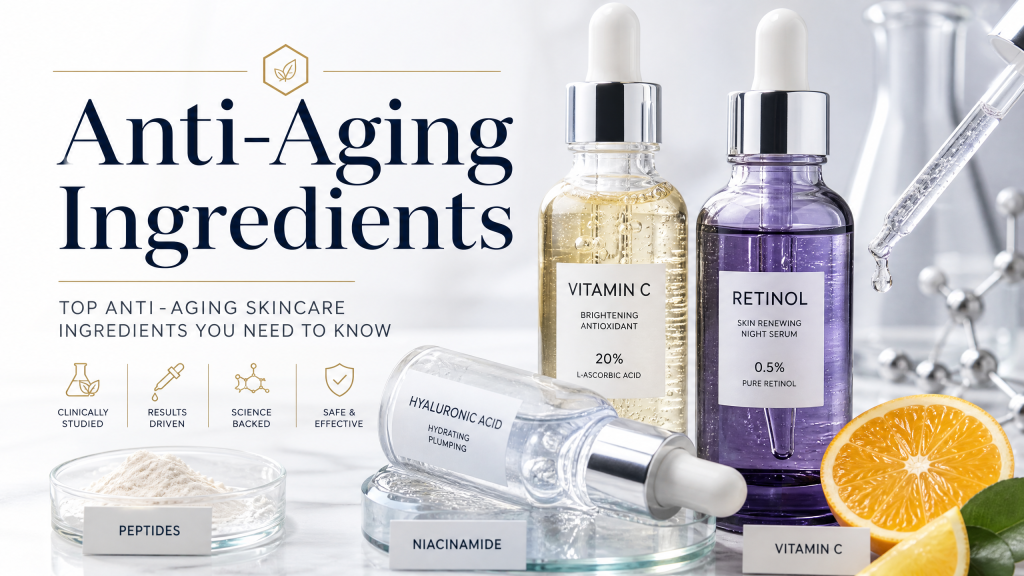
Top Anti-Aging Skincare Ingredients You Need to Know
Jun
Top Anti-Aging Skincare Ingredients You Need to Know for Youthful Skin
The quest for youthful, radiant skin is a timeless pursuit, and in today’s vast skincare landscape, it’s easier than ever to feel overwhelmed. With countless products promising revolutionary results, understanding the science behind the hype is crucial. The secret often lies not in magic, but in powerful, research-backed ingredients that actively combat the signs of aging. From fine lines and wrinkles to loss of firmness and uneven skin tone, these top anti-aging skincare ingredients are your allies in maintaining a vibrant, healthy complexion.
This comprehensive guide will demystify the most effective anti-aging ingredients, explaining how they work, what benefits they offer, and how you can best incorporate them into your daily routine. By the end, you’ll be equipped with the knowledge to make informed decisions and curate a skincare regimen that truly makes a difference.
The Power Players: Essential Anti-Aging Skincare Ingredients
Let’s dive into the core ingredients that form the backbone of any effective anti-aging strategy. Each plays a distinct role, and together, they form a formidable defense against the visible markers of time.
1. Retinoids: The Gold Standard for Cellular Renewal
Derived from Vitamin A, retinoids are widely regarded as the most effective and well-researched anti-aging ingredients available. They work by accelerating cell turnover, promoting the production of collagen, and improving skin elasticity. This leads to a noticeable reduction in fine lines, wrinkles, and hyperpigmentation, while also refining skin texture and minimizing pores.
- Retinol: An over-the-counter (OTC) retinoid that converts to retinoic acid in the skin. It’s effective for general anti-aging, addressing fine lines, wrinkles, and sun damage. It’s available in various strengths and is a great starting point for beginners.
- Retinaldehyde (Retinal): A more potent OTC option than retinol, as it requires only one conversion step to retinoic acid. It offers faster and more noticeable results with less irritation than prescription retinoids.
- Prescription Retinoids (e.g., Tretinoin): The most potent form, requiring a doctor’s prescription. Offers the most dramatic results but also comes with a higher risk of irritation, redness, and peeling.
Benefits: Significantly reduces the appearance of fine lines and wrinkles, improves skin texture and tone, minimizes pores, stimulates collagen production, and fades hyperpigmentation.
Tip: Start with a low concentration (e.g., 0.25% retinol) 2-3 times a week and gradually increase frequency and strength as your skin builds tolerance. Always apply at night and use broad-spectrum SPF during the day, as retinoids increase sun sensitivity.
2. Antioxidants: Your Skin’s Defense Against Environmental Damage
Antioxidants are vital compounds that protect your skin from free radicals, unstable molecules caused by environmental stressors like UV radiation, pollution, and stress. Free radicals damage skin cells, leading to premature aging, collagen breakdown, and inflammation. Antioxidants neutralize these harmful molecules, preserving skin health and youthful appearance.
- Vitamin C (L-Ascorbic Acid): A powerhouse antioxidant that not only protects against free radicals but also plays a critical role in collagen synthesis, brightens skin tone, and reduces hyperpigmentation. It can also enhance the skin’s defense against UV radiation (when used with sunscreen, not as a replacement).
- Niacinamide (Vitamin B3): A versatile ingredient that improves skin barrier function, reduces inflammation and redness, minimizes the appearance of pores, regulates oil production, and can even help with hyperpigmentation. It’s well-tolerated by most skin types.
- Vitamin E (Tocopherol): Another potent antioxidant that works synergistically with Vitamin C, protecting cell membranes from oxidative damage. It’s also deeply moisturizing and helps to repair the skin barrier.
- Ferulic Acid: Often found in combination with Vitamins C and E, ferulic acid stabilizes these other antioxidants and significantly boosts their protective power against sun damage.
Benefits: Protects against environmental damage, brightens complexion, stimulates collagen, reduces inflammation and redness, improves skin barrier function, and fades dark spots.
Tip: Incorporate a Vitamin C serum into your morning routine after cleansing and before sunscreen for maximum protection throughout the day. Niacinamide can be used morning or night.
3. Hydrators & Barrier Boosters: The Foundation of Healthy, Plump Skin
Hydration is not just about feeling comfortable; it’s fundamental to skin health and its ability to resist aging. A well-hydrated skin barrier is crucial for retaining moisture, protecting against irritants, and maintaining plumpness and elasticity.
- Hyaluronic Acid (HA): A humectant naturally found in the skin that can hold up to 1,000 times its weight in water. It draws moisture from the environment into the skin, instantly plumping fine lines and providing intense, lasting hydration. Available in different molecular weights, allowing for penetration at various skin depths.
- Ceramides: Lipids (fats) that make up a significant portion of the skin’s natural barrier. They act like the “mortar” between skin cells, preventing moisture loss and protecting against environmental aggressors. Replenishing ceramides helps to restore a compromised barrier, leading to healthier, more resilient skin.
- Glycerin: Another powerful humectant, similar to hyaluronic acid, that draws moisture into the skin. It’s a highly effective, affordable, and well-tolerated ingredient found in most moisturizers.
Benefits: Deeply hydrates, plumps fine lines, strengthens the skin barrier, reduces irritation, and improves overall skin texture and suppleness.
Tip: Apply hyaluronic acid to damp skin to maximize its water-drawing capabilities, then follow with a moisturizer containing ceramides to lock in hydration and fortify the barrier.
4. Peptides: Collagen Boosters and Skin Communicators
Peptides are short chains of amino acids, which are the building blocks of proteins like collagen and elastin. When applied topically, peptides act as messengers, signaling the skin to produce more of these vital proteins, or to perform other specific functions like wound healing or reducing inflammation. As collagen naturally depletes with age, peptides offer a way to encourage its replenishment.
- Signal Peptides: These tell the skin to produce more collagen and elastin, leading to improved firmness and elasticity. Examples include Matrixyl (Palmitoyl Pentapeptide-4) and Argireline (Acetyl Hexapeptide-8).
- Carrier Peptides: These deliver trace elements (like copper) to the skin, which aid in collagen production and wound healing. Copper peptides are well-known for their skin-regenerating abilities.
- Enzyme Inhibitor Peptides: These work to block enzymes that break down collagen and elastin, thus helping to preserve existing skin structure.
Benefits: Stimulates collagen and elastin production, improves skin firmness and elasticity, reduces the appearance of fine lines and wrinkles, and supports wound healing.
Tip: Peptides are generally well-tolerated and can be incorporated into both morning and evening routines, often found in serums and moisturizers. They pair well with other anti-aging ingredients.
5. Exfoliating Acids: AHAs and BHAs for Smoother, Brighter Skin
Exfoliation is key to revealing fresh, younger-looking skin by removing dead skin cells that accumulate on the surface. Chemical exfoliants, specifically Alpha Hydroxy Acids (AHAs) and Beta Hydroxy Acids (BHAs), do this effectively and gently, promoting cell turnover and improving skin texture, tone, and clarity.
- Alpha Hydroxy Acids (AHAs): Water-soluble acids that work on the skin’s surface to gently dissolve the “glue” holding dead skin cells together. They are excellent for improving skin texture, brightening dullness, reducing fine lines, and evening out skin tone. Common AHAs include Glycolic Acid (most potent, smallest molecule) and Lactic Acid (milder, hydrating).
- Beta Hydroxy Acids (BHAs): Oil-soluble acids that can penetrate into the pores to exfoliate from within. Salicylic Acid is the most common BHA and is particularly effective for oily, acne-prone skin, as it helps to clear clogged pores, reduce blackheads, and calm inflammation.
Benefits: Exfoliates dead skin cells, improves skin texture and smoothness, brightens complexion, reduces fine lines and hyperpigmentation, clears pores, and can help with acne.
Tip: Start with a low concentration and use 2-3 times a week, gradually increasing frequency if your skin tolerates it. AHAs can increase sun sensitivity, so always use SPF. Avoid using AHAs/BHAs on the same night as retinoids to prevent over-exfoliation and irritation.
6. The Ultimate Anti-Aging Shield: Broad-Spectrum Sunscreen
While not an “ingredient” in the same way as the others, broad-spectrum sunscreen is, without a doubt, the single most crucial anti-aging product you can use. Up to 80% of visible aging signs, including wrinkles, fine lines, sun spots, and loss of elasticity, are attributed to UV radiation. Consistent daily use of sunscreen prevents this damage, allowing other anti-aging ingredients to work more effectively and preserving your skin’s youthful appearance.
- Mineral Sunscreens (Physical): Contain Zinc Oxide and/or Titanium Dioxide. These active ingredients create a physical barrier on the skin’s surface that reflects and scatters UV rays. They are generally considered gentle and suitable for sensitive skin.
- Chemical Sunscreens: Contain organic compounds (like Avobenzone, Oxybenzone, Octinoxate) that absorb UV radiation and convert it into heat, which is then released from the skin. They tend to be lighter in texture and absorb seamlessly.
Benefits: Prevents premature aging (wrinkles, fine lines, dark spots), protects against skin cancer, maintains skin barrier integrity, and allows other anti-aging treatments to be more effective.
Tip: Apply a broad-spectrum SPF 30 or higher every morning, rain or shine, even indoors if you’re near windows. Reapply every two hours when exposed to direct sunlight or after swimming/sweating.
Holistic Benefits of Incorporating These Key Ingredients
While each ingredient offers specific advantages, integrating a well-rounded regimen that includes a selection of these anti-aging powerhouses provides synergistic benefits that transform your skin in multiple ways:
- Comprehensive Wrinkle Reduction: By stimulating collagen, accelerating cell turnover, and hydrating deeply, you’ll see a noticeable decrease in the depth and appearance of fine lines and wrinkles.
- Enhanced Skin Firmness and Elasticity: Peptides and retinoids work to rebuild the structural proteins of the skin, leading to a firmer, more resilient complexion.
- Brighter, More Even Skin Tone: Antioxidants, AHAs, and retinoids collaboratively fade hyperpigmentation, sun spots, and dark circles, revealing a luminous and uniform complexion.
- Improved Skin Texture and Smoothness: Exfoliating acids and retinoids slough off dead skin cells, refine pores, and smooth out rough patches, creating a soft, supple surface.
- Stronger Skin Barrier Function: Ceramides and niacinamide fortify your skin’s protective barrier, leading to less irritation, better moisture retention, and increased resilience against environmental stressors.
- Proactive Protection Against Future Damage: Daily sunscreen use combined with potent antioxidants creates a robust defense against environmental aggressors, preventing new signs of aging from forming.
Buying Guide: Choosing the Right Anti-Aging Products
Navigating the product aisle can still be tricky, even with knowledge of key ingredients. Here’s how to make smart choices for your anti-aging skincare:
- Identify Your Skin Type and Concerns: Oily skin might tolerate higher concentrations of retinoids or BHAs, while dry or sensitive skin might need gentler formulas, more hydrating ingredients, and a slower introduction to active ingredients. Are you targeting fine lines, dark spots, or firmness?
- Check Ingredient Lists: Look for the key ingredients discussed above. Ensure they are high on the list, indicating a higher concentration. Be wary of “fairy dusting” where an ingredient is listed but in negligible amounts.
- Consider Formulation: Serums are often excellent for delivering high concentrations of active ingredients (like Vitamin C, Retinol, Peptides) because they are designed to penetrate deeply. Moisturizers provide hydration and often contain barrier-repairing ingredients like ceramides.
- Start Low and Go Slow: Especially with powerful actives like retinoids and AHAs, begin with lower concentrations and use them a few times a week. Gradually increase frequency and strength as your skin adapts to avoid irritation.
- Research Brands: Opt for reputable brands known for their transparency, scientific research, and quality formulations. Look for products that are fragrance-free, especially if you have sensitive skin.
- Patch Test New Products: Before applying a new product to your entire face, test a small amount on an inconspicuous area (like behind your ear or on your inner arm) for 24-48 hours to check for any adverse reactions.
- Read Reviews (Critically): While reviews can be helpful, remember that individual results vary. Look for trends in reviews rather than isolated experiences.
Practical Tips for Integrating Your Anti-Aging Routine
Having the right ingredients is one thing; using them effectively is another. Here are some practical tips to maximize the benefits of your anti-aging skincare regimen:
- Layering Order Matters: Generally, apply products from thinnest to thickest consistency. Cleanser > Toner (optional) > Serum (e.g., Vitamin C in AM, Retinol/Peptides in PM) > Eye Cream > Moisturizer > Sunscreen (AM).
- Consistency is Key: Skincare is a marathon, not a sprint. Significant results take time and consistent application (often 6-12 weeks or more). Don’t give up too soon!
- Listen to Your Skin: Pay attention to how your skin reacts. If you experience excessive redness, stinging, peeling, or dryness, scale back on active ingredients, reduce frequency, or switch to milder formulations.
- Don’t Overdo It: More isn’t always better. Over-exfoliation or using too many strong actives at once can damage your skin barrier and lead to irritation. Alternate strong ingredients (e.g., retinoids on one night, AHAs on another).
- Sun Protection is Non-Negotiable: Reiterate – apply broad-spectrum SPF 30+ every single morning, without fail. All the other anti-aging efforts will be undone by sun damage without it.
- Consider Professional Guidance: If you have persistent skin concerns or are unsure about combining powerful ingredients, consult a dermatologist or licensed esthetician. They can provide personalized advice and professional treatments.
- Lifestyle Factors: Remember that skincare is part of a holistic approach. A healthy diet, adequate sleep, stress management, and avoiding smoking and excessive alcohol consumption all contribute significantly to youthful-looking skin.
FAQ: Your Anti-Aging Skincare Questions Answered
Q1: Can I use all these anti-aging ingredients at once?
A: While many ingredients can be combined, it’s generally not advisable to use all potent active ingredients (like high-strength retinoids, AHAs, and strong Vitamin C serums) at the exact same time, especially if you’re new to them or have sensitive skin. Overlapping too many powerful actives can lead to irritation, redness, and a compromised skin barrier. A common strategy is to use Vitamin C in the morning, and alternate retinoids with AHAs/BHAs on different evenings, always followed by a good moisturizer. Listen to your skin and introduce new products slowly.
Q2: How long does it take to see results from anti-aging ingredients?
A: Patience is crucial in skincare. While some ingredients like hyaluronic acid can offer immediate plumping, significant and visible anti-aging results typically take time. For ingredients like retinoids and Vitamin C, you might start noticing changes in skin texture and brightness within 4-6 weeks, but more profound improvements in fine lines, wrinkles, and hyperpigmentation can take 3-6 months or even longer with consistent use. Sunscreen’s benefit is preventative and ongoing.
Q3: Are “natural” anti-aging ingredients better than synthetic ones?
A: Not necessarily. The term “natural” is not regulated, and natural ingredients can still cause irritation or allergic reactions. Many of the most effective anti-aging ingredients, like retinoids, hyaluronic acid, and niacinamide, are either synthetically derived or bio-identical to compounds naturally found in the skin, allowing for greater stability, purity, and efficacy. What truly matters is the ingredient’s proven scientific effectiveness and safety, regardless of its origin. Focus on well-researched ingredients, whether natural or synthetic.
Conclusion: Your Journey to Resilient, Youthful Skin
Understanding the core anti-aging skincare ingredients is your most powerful tool in the pursuit of a vibrant, youthful complexion. Retinoids, a spectrum of potent antioxidants, deep hydrators like hyaluronic acid and ceramides, collagen-boosting peptides, and gentle exfoliants like AHAs and BHAs each bring unique strengths to the table. And above all, never underestimate the preventative power of daily broad-spectrum sunscreen.
By thoughtfully selecting products based on your skin’s needs, diligently applying them, and maintaining consistency, you’re not just fighting the signs of aging – you’re investing in your skin’s long-term health and resilience. Embrace this knowledge, embark on your personalized skincare journey, and enjoy the confidence that comes with radiant, youthful-looking skin for years to come.
