Post
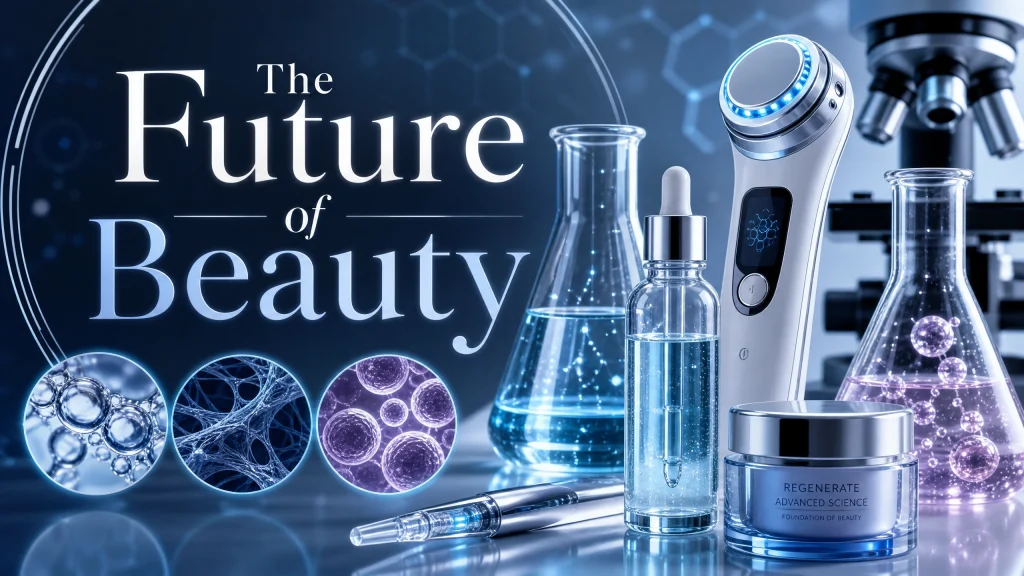
The Future of Beauty: Innovations in Cosmetic Science
Jun
The Future of Beauty: Innovations in Cosmetic Science
The beauty industry, once driven primarily by tradition and aspirational marketing, is undergoing a profound transformation. We are standing at the cusp of a new era where cutting-edge cosmetic science and advanced technology are merging to redefine our understanding of skincare, makeup, and overall well-being. This isn’t just about new products; it’s about a fundamental shift in how beauty is formulated, delivered, experienced, and perceived. From personalized solutions crafted just for your DNA to sustainable ingredients grown in labs, the future of beauty promises unprecedented efficacy, ethical responsibility, and consumer empowerment.
This article delves into the most exciting innovations in cosmetic science, exploring how biotechnology, artificial intelligence, advanced delivery systems, and a deeper understanding of human biology are shaping the next generation of beauty solutions. Join us as we uncover the scientific breakthroughs making our beauty routines smarter, cleaner, and more effective than ever before.
Personalization at its Peak: Tailored Skincare and Makeup
The days of one-size-fits-all beauty are rapidly fading. The future belongs to personalization, where products are meticulously crafted to meet individual needs, genetics, and lifestyle. This isn’t just about choosing a shade of foundation; it’s about bespoke formulations that respond precisely to your unique biology.
Genetic Skincare Mapping
- DNA Analysis: Companies are now offering at-home DNA tests that analyze genetic predispositions related to skin aging, sensitivity, hydration, and collagen production. This data then informs the formulation of serums, creams, and treatments specifically designed to address these genetic markers.
- AI-Powered Product Curation: Artificial intelligence algorithms analyze vast amounts of data—from genetic profiles to lifestyle questionnaires, environmental factors, and even smartphone camera diagnostics—to recommend or formulate hyper-personalized skincare routines.
- Custom Formulation Labs: The rise of micro-labs allows consumers to create their own unique formulas. You can choose active ingredients, textures, and even fragrances, with machines mixing them on demand, reducing waste and ensuring fresh products.
This level of personalization promises not only better results but also a more efficient and less wasteful approach to beauty, as consumers only purchase what truly works for them.
Biotechnology and Sustainable Ingredients: Nature Meets Science
The demand for efficacious yet environmentally responsible ingredients is driving significant innovation in cosmetic science. Biotechnology is proving to be a game-changer, allowing us to harness nature’s power in new, sustainable ways.
Lab-Grown Efficacy
- Fermentation Technology: Inspired by traditional food preservation, fermentation is being used to break down raw ingredients, making them more potent, absorbable, and stable. Examples include fermented botanical extracts that boast enhanced antioxidant properties or probiotics for skin health.
- Plant Stem Cells: Scientists are cultivating plant stem cells in labs to produce high concentrations of powerful compounds like antioxidants, peptides, and growth factors, without harvesting vast amounts of plants from natural ecosystems. This method ensures purity, potency, and sustainability.
- Bio-Identical Ingredients: Through precision fermentation, labs can now create bio-identical versions of rare or animal-derived ingredients (e.g., collagen, squalane, hyaluronic acid) from microbes like yeast or bacteria. This offers ethical, vegan, and highly sustainable alternatives.
Upcycling and Marine Biotechnology
- Upcycled Ingredients: Waste products from other industries (e.g., fruit seeds from juice production, coffee grounds, olive pits) are being repurposed into potent cosmetic ingredients, reducing waste and creating a circular economy in beauty.
- Marine Biotechnology: Oceans are a vast source of untapped biodiversity. Researchers are discovering novel compounds from algae, seaweed, and marine microorganisms that offer unique benefits like potent anti-aging, UV protection, and intense hydration, all while promoting sustainable harvesting practices.
These biotechnological advancements ensure that future beauty products are not only effective but also align with our growing environmental consciousness and ethical standards.
Smart Devices and AI: The Tech Revolution in Beauty
Technology is no longer confined to our smartphones; it’s seamlessly integrating into our beauty routines, offering diagnostic capabilities, enhanced application, and interactive experiences.
Diagnostic Devices for Home Use
- Smart Skin Scanners: Handheld devices connected to apps can analyze skin hydration, oil levels, pore size, and even UV damage, providing real-time data and personalized product recommendations or adjustments to your routine.
- AI-Powered Mirrors: These smart mirrors offer virtual try-ons for makeup, analyze facial features for personalized product suggestions, and can even track skin changes over time, offering proactive advice.
- App-Controlled Beauty Tools: From devices that deliver specific light therapies (LED masks) or microcurrents to those that dispense custom-blended foundations, apps allow for precise control and tailored treatments at home.
Virtual & Augmented Reality Experiences
- Virtual Try-On: AR filters allow users to virtually try on makeup shades, hairstyles, and even hair colors before committing to a purchase, enhancing the online shopping experience and reducing returns.
- Virtual Skincare Consultations: AI-powered chatbots and virtual aestheticians offer expert advice, analyze skin concerns, and recommend products based on user input and visual analysis, bridging the gap between professional guidance and at-home convenience.
This fusion of AI and beauty devices is making advanced diagnostics and personalized treatments accessible to everyone, transforming the consumer’s beauty journey into a data-driven, interactive experience.
The Microbiome’s Moment: Skin Health from Within
A burgeoning area of cosmetic science is the understanding and manipulation of the skin’s microbiome – the trillions of bacteria, fungi, and viruses that live on our skin. A balanced microbiome is crucial for healthy skin, acting as the first line of defense against pathogens and environmental stressors.
Understanding Your Skin’s Ecosystem
- Barrier Function Support: Research shows that a diverse and balanced microbiome is essential for maintaining the skin’s barrier function, preventing moisture loss, and protecting against irritants.
- Addressing Skin Conditions: Imbalances in the microbiome are linked to various skin conditions such as acne, eczema, rosacea, and sensitivity. Targeting these imbalances with specific ingredients can lead to significant improvements.
Pre-, Pro-, and Postbiotics
- Prebiotics: These are “food” for beneficial skin bacteria, encouraging their growth and helping to rebalance the skin’s ecosystem. Common prebiotics include oligosaccharides and certain sugars.
- Probiotics: Live beneficial bacteria applied topically (often in inactivated forms or fragments) to directly introduce good microbes to the skin, helping to calm inflammation and strengthen defenses.
- Postbiotics: These are the beneficial byproducts of bacterial fermentation (e.g., lactic acid, peptides, enzymes). They communicate with skin cells, enhancing barrier function, reducing inflammation, and fighting pathogens without introducing live bacteria.
The microbiome approach is revolutionizing skincare by shifting focus from simply treating symptoms to nurturing the skin’s inherent health and resilience, promoting long-term well-being rather than quick fixes.
Advanced Delivery Systems: Maximizing Ingredient Efficacy
It’s not just what ingredients you use, but how they reach their target cells within the skin that determines their effectiveness. Cosmetic science is constantly innovating new delivery systems to ensure ingredients are potent, stable, and absorbable.
Targeted Ingredient Delivery
- Encapsulation Technology: Active ingredients (like vitamins, peptides, antioxidants) are encased in protective spheres (liposomes, nanosomes). This shields them from degradation, allows for controlled, sustained release, and ensures they reach deeper layers of the skin where they can be most effective.
- Microneedling Patches: Tiny, dissolvable needles on patches painlessly create micro-channels in the skin, allowing active ingredients (often hyaluronic acid or peptides) to penetrate more deeply than topical application alone. These are increasingly used for targeted treatments like fine lines or hyperpigmentation.
- Polymer Networks & Gels: Sophisticated polymer structures can create invisible films on the skin, forming a reservoir for active ingredients that are released slowly over hours, providing continuous benefits.
These sophisticated delivery methods are crucial for maximizing the performance of high-potency ingredients, ensuring they perform their intended function without irritation or premature breakdown, leading to superior and more consistent results.
Ethical Beauty: Transparency, Sustainability, and Inclusivity
Beyond scientific advancements in formulation, the future of beauty is deeply rooted in ethical considerations. Consumers are increasingly demanding transparency, environmental responsibility, and products that cater to a diverse global population.
Beyond ‘Clean’ – Truly Sustainable Practices
- Eco-Friendly Packaging: The shift towards refillable packaging, biodegradable materials (e.g., mushroom mycelium, compostable plastics), and packaging made from ocean-bound plastics is gaining momentum to reduce environmental footprint.
- Waterless Formulations: Concentrated, water-free products (solid bars, powders) reduce the need for preservatives, extend shelf life, and significantly lower transportation carbon footprints.
- Circular Economy Principles: Brands are adopting closed-loop systems, from sourcing ingredients to end-of-life recycling programs, ensuring minimal waste at every stage of a product’s lifecycle.
Inclusivity as a Core Principle
- Diverse Product Ranges: The beauty industry is finally moving beyond limited shade ranges, offering foundations, concealers, and other products that genuinely cater to a broad spectrum of skin tones and undertones.
- Representation and Marketing: Brands are committing to authentic representation in their marketing campaigns, featuring diverse models of all ages, genders, and backgrounds, fostering a more inclusive and relatable beauty landscape.
- Accessibility: Designing packaging and products with accessibility in mind, for individuals with disabilities, ensuring beauty is for everyone.
Ethical beauty is no longer a niche; it’s becoming a fundamental expectation, driving brands to innovate not just in ingredients and technology, but also in their entire business model, from supply chain to consumer engagement.
Benefits of These Innovations in Cosmetic Science
The rapid advancements in cosmetic science translate into tangible benefits for consumers, the industry, and the planet:
- Unprecedented Efficacy: Personalized formulations and advanced delivery systems ensure ingredients work harder and smarter, leading to visible and long-lasting results.
- Enhanced Safety: Biotechnology reduces reliance on controversial ingredients, while rigorous scientific testing and AI diagnostics help identify potential irritants or allergens.
- True Personalization: No more guesswork. Products are tailored to your unique skin, genetics, and environment, maximizing effectiveness and minimizing wasted effort or expense.
- Sustainability and Ethics: From lab-grown ingredients to eco-packaging and ethical sourcing, the environmental and social impact of beauty products is significantly reduced.
- Empowerment Through Knowledge: Smart devices and AI provide real-time data and insights into your skin’s health, empowering you to make informed decisions about your beauty routine.
- Convenience and Accessibility: Advanced diagnostics and treatments become accessible at home, democratizing expert-level beauty care.
- Inclusivity: A wider range of products and representation ensures that everyone can find beauty solutions that meet their specific needs and reflect their identity.
Buying Guide: Navigating the New Beauty Landscape
With so many innovations, it can be overwhelming to choose. Here’s how to make informed decisions:
- Understand Your Needs First: Before diving into personalized solutions, have a clear idea of your primary skin concerns and goals.
- Research Brands Thoroughly: Look for brands that are transparent about their scientific processes, ingredient sourcing, and ethical commitments. Check for third-party certifications (e.g., organic, cruelty-free, B Corp).
- Prioritize Personalization: If a brand offers genetic testing or AI diagnostics, consider trying it for a truly tailored experience. Read reviews of these services specifically.
- Examine Ingredient Lists: Educate yourself on key ingredients. Look for biotechnologically derived components, pre/pro/postbiotics if you’re interested in microbiome health, and understand how delivery systems are highlighted.
- Question Claims: Be wary of hyperbolic claims. Look for scientific backing, clinical trials, and clear explanations of how a product works.
- Start Small with Devices: If you’re new to smart beauty devices, begin with a versatile tool (like a skin scanner) before investing in more specialized or expensive gadgets.
- Read Reviews (Critically): Look for reviews that mention specific results, skin types, and long-term use. Be mindful of sponsored content.
- Consult a Professional: Dermatologists or licensed aestheticians can offer guidance on which innovations might be most beneficial for your unique skin profile.
Practical Tips for Integrating Future Beauty into Your Routine
Embracing the future of beauty doesn’t mean overhauling your entire regimen overnight. Here are some practical tips:
- Gradual Integration: Start by introducing one new innovative product or device at a time. This helps you assess its effectiveness and avoid overwhelming your skin.
- Patch Test: Always patch test new products, especially those with potent active ingredients or novel technologies, to check for sensitivities.
- Be Patient: Scientific beauty often takes time to show results. Stick with a new product or routine for at least 4-6 weeks before deciding on its efficacy.
- Educate Yourself Continuously: The beauty landscape is evolving rapidly. Stay informed by following reputable beauty scientists, dermatologists, and industry news sources.
- Combine Tech with Tradition: Don’t abandon your trusted staples. Integrate smart devices and innovative formulations with basic, effective cleansing, moisturizing, and sun protection.
- Support Ethical Brands: Vote with your wallet. Choose brands that demonstrate a genuine commitment to sustainability, transparency, and inclusivity.
- Recycle and Refill: Actively participate in recycling programs for your beauty empties and opt for refillable products whenever possible to minimize your environmental footprint.
FAQ: Frequently Asked Questions About the Future of Beauty
Are personalized beauty products significantly more expensive?
Initially, some highly personalized services (like DNA-based skincare) can have a higher upfront cost. However, many brands are making personalized recommendations accessible at various price points. The long-term benefit is that you buy fewer ineffective products, potentially saving money and reducing waste.
Are smart beauty devices safe to use at home?
Reputable smart beauty devices undergo rigorous testing and often have certifications (e.g., FDA-cleared in the US) for safety. Always follow manufacturer instructions carefully, read user manuals, and choose devices from trusted brands to ensure safe usage. Consult a dermatologist if you have underlying skin conditions.
How can I tell if a brand’s sustainability claims are genuine (avoid greenwashing)?
Look for concrete evidence: specific certifications (e.g., Leaping Bunny for cruelty-free, Ecocert for organic), clear reporting on carbon footprint or water usage, refill programs, transparent ingredient sourcing, and partnerships with environmental organizations. Vague terms like “natural” or “eco-friendly” without supporting details can be red flags.
What role does AI play beyond product recommendations?
AI is involved in various aspects: R&D for ingredient discovery, predicting ingredient stability and efficacy, optimizing manufacturing processes, detecting skin conditions from images, and even developing new fragrance compositions. It streamlines and optimizes many steps in the beauty product lifecycle.
Is the microbiome skincare trend here to stay?
Yes, the scientific understanding of the skin microbiome is rapidly advancing and demonstrating profound connections to skin health. It’s considered a fundamental shift in dermatological and cosmetic science, moving beyond surface treatment to nurturing the skin’s inherent ecosystem for long-term health and resilience.
Conclusion
The future of beauty is an exhilarating landscape where scientific innovation, ethical responsibility, and consumer empowerment converge. From the precision of personalized formulas to the environmental stewardship of biotechnologically sourced ingredients, and the interactive experience provided by smart tech, cosmetic science is propelling us into an era of unprecedented efficacy and consciousness.
These advancements promise not just more beautiful skin, but a more sustainable, inclusive, and informed approach to self-care. As consumers, our role is to remain curious, critical, and open to embracing these exciting shifts. By understanding the science, supporting ethical brands, and integrating new technologies thoughtfully, we can all contribute to and benefit from the truly transformative future of beauty.
