Post
Finding Your Perfect Match: Personalized Cosmetics for Unique Needs
Jun
Finding Your Perfect Match: Personalized Cosmetics for Unique Needs
In a world saturated with beauty products promising miraculous transformations, it’s easy to feel overwhelmed and, often, disappointed. We’ve all been there – trying countless cleansers, serums, and foundations, only to find them not quite right for our unique skin tone, texture, or concerns. The truth is, beauty is deeply personal. Just as no two individuals are exactly alike, neither are their skin or hair requirements. This fundamental understanding is driving a quiet revolution in the beauty industry: the rise of personalized cosmetics. Imagine products formulated specifically for *you*, taking into account everything from your skin type and concerns to your lifestyle and environmental factors. This article will delve into the transformative power of personalized beauty, exploring its benefits, the science behind it, and how you can embark on your journey to truly tailored care.
The Rise of Personalized Beauty: Why One-Size-Fits-All Fails
For decades, the beauty industry operated on a “one-size-fits-all” or at best, “one-size-fits-most” model. Products were mass-produced for broad categories: “for oily skin,” “for dry skin,” or “anti-aging.” While these categories serve a purpose, they often fall short in addressing the intricate nuances of individual complexions. A person with oily, acne-prone skin might also have sensitivity or be experiencing early signs of aging. A mass-market product designed solely for “oily skin” might neglect these other crucial aspects, leading to suboptimal results or even adverse reactions.
The inherent diversity of human skin and hair makes a standardized approach inherently flawed. Factors like genetics, climate, diet, allergies, and even stress levels play a significant role in our beauty needs. Modern consumers are increasingly aware of these complexities and are no longer content with generic solutions. They seek efficacy, transparency, and a genuine connection with their products. Personalized beauty emerges as the direct answer to this demand, offering solutions that are as unique as the individuals who use them.
Understanding Your Unique Beauty Profile
The journey to personalized cosmetics begins with a deep dive into your unique beauty profile. This isn’t just about identifying if your skin is oily or dry; it’s a comprehensive assessment that considers a multitude of factors to craft a truly bespoke solution. Reputable personalized beauty brands utilize various methods to gather this crucial information, ranging from in-depth online quizzes and AI-powered skin analyses to virtual consultations with beauty experts or even DNA testing.
Key factors typically assessed include:
- Skin Type: Oily, dry, combination, normal, sensitive.
- Primary Concerns: Acne, wrinkles, fine lines, hyperpigmentation, redness, dullness, dehydration, dark circles, uneven texture.
- Secondary Concerns: Pores, blackheads, sun damage, elasticity loss.
- Lifestyle Factors: Exposure to pollution, sun exposure, diet, stress levels, hydration habits, sleep patterns.
- Environmental Factors: Climate (humid, dry, cold, hot), city living vs. rural.
- Allergies and Sensitivities: Specific ingredients to avoid (e.g., fragrances, parabens, sulfates, essential oils).
- Ethical Preferences: Vegan, cruelty-free, organic, sustainable sourcing, gluten-free.
- Product Preferences: Desired texture (light, rich), finish (matte, dewy), scent (unscented, natural aroma).
By meticulously gathering this data, formulators can move beyond broad categories and pinpoint the exact ingredients and concentrations needed to address your specific concerns and support your skin’s overall health.
The Science Behind Custom Formulations
At the heart of personalized cosmetics lies a sophisticated understanding of dermatological science and ingredient efficacy. It’s not just about mixing random ingredients; it’s about strategically combining active compounds to create a synergistic effect that targets individual needs without causing irritation or imbalance. This scientific approach ensures that every ingredient serves a precise purpose in your unique formula.
The process often involves:
- Base Formula Selection: A foundational cream, serum, or cleanser that provides the core texture and delivery system. These bases are often designed to be universally compatible or are chosen based on your general skin type.
- Active Ingredient Integration: This is where the true customization happens. Based on your beauty profile, specific active ingredients are chosen. For example, Vitamin C for brightening, salicylic acid for acne, hyaluronic acid for hydration, retinol for anti-aging, or ceramides for barrier repair. The precise concentration of these actives is also crucial and is adjusted to your skin’s tolerance and concern intensity.
- Exclusion of Irritants: If you’ve indicated allergies or sensitivities, specific ingredients (like certain fragrances, dyes, or preservatives) are deliberately omitted from your formula. This significantly reduces the risk of adverse reactions and makes personalized products ideal for reactive skin types.
- Texture and Sensory Customization: Beyond efficacy, personal preferences for texture (lightweight gel vs. rich cream), scent (natural, synthetic, or none), and even color can be incorporated into the final product, enhancing the overall user experience.
Many advanced personalized beauty companies leverage data analytics and even artificial intelligence to analyze vast amounts of ingredient data and customer profiles, optimizing formulation suggestions for maximum efficacy and safety. This scientific rigor ensures that each custom product is not just unique, but also intelligently designed.
Benefits of Personalized Cosmetics
The advantages of switching to personalized beauty extend far beyond just having a product with your name on it. These tailored solutions offer a host of tangible benefits that elevate your beauty routine to new heights.
Enhanced Efficacy and Visible Results
- Targeted Treatment: Unlike generic products, personalized formulations directly address your specific concerns with appropriate active ingredients and concentrations. This precision leads to more effective and noticeable improvements in skin health and appearance.
- Optimized Ingredient Blends: Ingredients are chosen to work synergistically, meaning they complement each other to boost effectiveness, rather than potentially conflicting or being redundant.
- Reduced Trial and Error: By eliminating the guesswork, you’re more likely to find products that work for you much faster, saving time, money, and frustration.
Safety and Allergy Prevention
- Avoidance of Known Irritants: If you have allergies or sensitivities, personalized brands can omit specific ingredients that typically cause adverse reactions, providing a safer product experience.
- Minimized Risk of Reaction: By tailoring ingredients to your skin’s unique tolerance levels, the chances of redness, itching, breakouts, or other irritations are significantly reduced.
- Transparent Ingredient Lists: Reputable personalized brands are often highly transparent about their ingredient choices and why they were included (or excluded) for your specific formulation.
Sustainability and Reduced Waste
- Less Product Waste: When a product truly works, you use it completely, reducing the amount of half-used bottles that end up in landfills.
- Made-to-Order Production: Many personalized brands operate on a made-to-order model, which minimizes overproduction and inventory waste compared to mass manufacturing.
- Conscious Ingredient Sourcing: Some personalized brands prioritize ethically sourced, sustainable, and eco-friendly ingredients, aligning with broader environmental values.
Empowerment and Confidence
- Feeling Truly Understood: Using a product made specifically for you fosters a sense of being heard and understood by the brand, leading to a more positive user experience.
- Boosted Self-Esteem: When your skin or hair looks and feels its best, it naturally translates to increased confidence and a better self-image.
- Educational Aspect: Many personalized beauty processes educate you about your skin/hair and the ingredients it needs, empowering you to make more informed choices in the future.
Cost-Effectiveness in the Long Run
- Investing in Efficacy: While the initial cost might sometimes be higher, the effectiveness of personalized products often means you buy fewer items and waste less money on ineffective “holy grail” searches.
- Simplified Routine: A few highly effective personalized products can replace a shelf full of generic ones, streamlining your routine and potentially saving money over time.
Types of Personalized Beauty Products Available
The personalized beauty market is expanding rapidly, with innovations touching almost every aspect of our self-care routines. No longer limited to just skincare, you can now find custom solutions for hair, makeup, and even fragrance.
Custom Skincare: Serums, Moisturizers, Cleansers, and More
This category is perhaps the most established. Custom skincare products typically involve a detailed assessment to formulate items like:
- Custom Serums: Often the powerhouse of a routine, serums can be blended with multiple active ingredients to target several concerns simultaneously (e.g., anti-aging, hydration, and brightening).
- Personalized Moisturizers: These can be adjusted for texture (light, rich), finish (matte, dewy), and include specific ingredients for hydration, barrier repair, or soothing.
- Tailored Cleansers: Formulated based on skin type and concerns, whether it’s gentle hydration for dry skin or salicylic acid for acne-prone skin.
- Custom Face Masks and Treatments: Targeted solutions for weekly use, focusing on intense hydration, detox, or rejuvenation.
Custom Foundation and Concealer
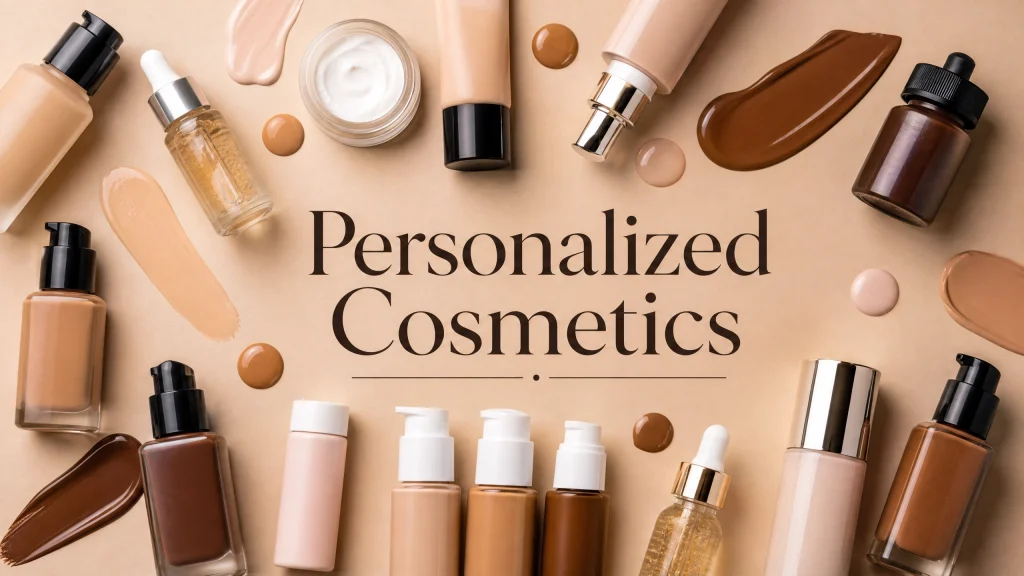
Finding the perfect shade match can be a lifelong quest. Personalized foundations and concealers eliminate this struggle by creating a shade that precisely matches your skin tone and undertone. Beyond color, you can often customize:
- Coverage Level: Sheer, medium, full.
- Finish: Matte, natural, dewy.
- Skin Benefits: Incorporate hydrating, oil-controlling, or soothing ingredients directly into the formula.
- Texture: Liquid, cream, powder.
Custom Haircare: Shampoos, Conditioners, and Treatments
Your hair is as unique as your skin, and custom haircare addresses everything from scalp health to hair goals. Brands can formulate:
- Personalized Shampoos: Targeting concerns like oiliness, dryness, dandruff, color protection, or volume.
- Tailored Conditioners: Designed for specific hair types (fine, thick, curly, straight) and concerns (frizz, damage, lack of shine).
- Custom Hair Masks and Serums: Intensive treatments for repair, growth, or specialized scalp care.
Custom Fragrances
For those who desire a signature scent truly their own, custom fragrance services allow you to blend unique notes and accords based on your personal preferences, creating a perfume that reflects your personality and style.
How to Choose Your Personalized Cosmetics Provider: A Buying Guide
As the personalized beauty market grows, so does the number of brands offering custom solutions. Choosing the right provider is crucial to ensure you get effective and safe products. Here’s a buying guide to help you navigate your options:
1. Research Reputation and Reviews
Start by looking into established brands with positive customer feedback. Check independent review sites, beauty forums, and social media for authentic experiences. Pay attention to comments regarding product efficacy, customer service, and the ease of the customization process.
2. Evaluate the Customization Process
- Depth of Assessment: How thorough is their questionnaire or diagnostic tool? Does it go beyond basic skin type to include lifestyle, environment, allergies, and specific concerns? The more detailed, the better the potential for a truly personalized product.
- Expert Involvement: Do they offer virtual consultations with dermatologists, estheticians, or formulators? This can add a layer of professional insight that elevates the customization.
- Technology Utilized: Does the brand use AI, image analysis, or other advanced tech to enhance their recommendations?
3. Ingredient Transparency and Sourcing
A reputable personalized brand should be transparent about the ingredients they use and why they’ve chosen them for your formula. Inquire about:
- Ingredient Quality: Do they use high-quality, clinically proven active ingredients?
- Sourcing: Are their ingredients ethically and sustainably sourced?
- Exclusion List: Do they clearly state what ingredients they *don’t* use (e.g., parabens, sulfates, phthalates, synthetic fragrances if you requested it)?
4. Customer Support and Follow-Up
What happens if the first formula isn’t quite right? A good provider will offer:
- Adjustments/Reformulations: The ability to tweak your formula if you’re not entirely satisfied with the initial results.
- Responsive Support: Easy access to customer service for questions or concerns.
- Progress Tracking: Some brands encourage you to track your results and offer follow-up consultations.
5. Cost vs. Value
Personalized products can sometimes have a higher upfront cost than mass-produced items. Consider:
- Subscription Options: Do they offer subscription models that reduce the per-product cost?
- Longevity: Is the product effective enough that you’ll use less of it or need fewer complementary products?
- Return on Investment: Factor in the savings from not buying multiple ineffective products.
6. Ethical and Sustainable Practices
If these values are important to you, investigate the brand’s stance on:
- Cruelty-Free Status: Are their products tested on animals?
- Vegan Options: Do they offer vegan formulations?
- Packaging: Is their packaging recyclable, reusable, or made from sustainable materials?
Practical Tips for Getting the Most Out of Your Custom Products
Once you’ve chosen your personalized beauty products, a few practical tips can help ensure you achieve the best possible results and maximize your investment.
1. Be Honest and Detailed in Your Assessment
The success of personalized products hinges on the accuracy of your initial beauty profile. Don’t gloss over details or exaggerate. Be truthful about your skin/hair type, concerns, sensitivities, lifestyle, and environmental factors. The more precise information you provide, the better the formulation will be.
2. Give It Time to Work
Miracles rarely happen overnight, especially with skincare and haircare. It takes time for skin cells to renew (typically 28 days for adults) and for active ingredients to show their full effect. Commit to using your personalized products consistently for at least 4-6 weeks before evaluating their efficacy. Hair improvements can take even longer as new, healthier hair grows in.
3. Introduce New Products Gradually (If Applicable)
If you’re integrating multiple new personalized products into your routine, consider introducing them one at a time, especially if you have sensitive skin. This allows you to monitor your skin’s reaction to each product individually and identify any potential irritants, though personalized products are designed to minimize this risk.
4. Monitor Your Skin/Hair Changes
Keep a mental note, or even a simple journal, of how your skin or hair is responding. Are concerns improving? Is there any irritation? This feedback is invaluable if you need to request adjustments to your formula.
5. Communicate Feedback to the Brand
Most personalized beauty brands encourage feedback. If a product isn’t working as expected, or if your needs change (e.g., seasonal shifts, new concerns), don’t hesitate to contact their customer support. Many will offer to reformulate or tweak your product to better suit your evolving needs Cosmetics.
6. Store Products Properly
Personalized products, especially those with high concentrations of active ingredients or fewer preservatives, might require specific storage conditions. Always follow the brand’s instructions regarding refrigeration or avoiding direct sunlight to maintain product integrity and efficacy Cosmetics.
7. Maintain a Holistic Approach
Remember that beauty is also an inside job. While personalized cosmetics are incredibly effective, they work best when combined with a healthy lifestyle, including a balanced diet, adequate hydration, sufficient sleep, and stress management.
Frequently Asked Questions About Personalized Cosmetics (FAQ)
Q: Are personalized cosmetics more expensive than regular products?
A: The initial price point for personalized cosmetics can sometimes be higher than mass-market options. However, many users find them more cost-effective in the long run because they are highly effective, reduce the need for multiple products, and eliminate wasted money on ineffective “trial and error” purchases. The value often outweighs the cost due to superior results Cosmetics.
Q: How long does it take to see results from personalized products?
A: Like all effective skincare and haircare, results vary depending on the concern and active ingredients. Typically, you should allow at least 4-6 weeks of consistent use to observe significant changes, especially for concerns like acne, fine lines, or hyperpigmentation. Hair changes might take longer as new hair grows Cosmetics.
Q: Can I change my personalized formula later if my needs evolve?
A: Yes, absolutely! This is one of the key advantages of personalized beauty. Your skin and hair needs can change due to seasons, age, lifestyle, or environment. Reputable personalized brands offer the flexibility to adjust your formula at any time. Simply communicate your updated concerns or goals to their customer service Cosmetics.
Q: Are personalized cosmetics truly effective, or is it just a gimmick?
A: When done correctly, personalized cosmetics are highly effective. Their efficacy stems from the precise targeting of individual concerns with appropriate active ingredients and concentrations, avoiding irritants, and adapting to unique physiological profiles. It moves beyond broad categories to address the specific biological needs of your skin or hair.
Q: What if I have multiple skin concerns? Can personalized products address them all?
A: Yes, this is where personalized cosmetics truly shine! One of the biggest frustrations with mass-market products is that they often only address one or two concerns. Personalized formulations can be expertly blended to incorporate multiple active ingredients that target diverse issues simultaneously, such as anti-aging, hydration, and redness reduction, all in one product.
Q: Are personalized cosmetics suitable for sensitive skin or those with allergies?
A: Personalized cosmetics are often ideal for sensitive skin and individuals with allergies. During the assessment process, you can specify any known allergies or sensitivities, allowing the formulators to meticulously exclude potential irritants like fragrances, dyes, specific preservatives, or common allergens from your custom product. This significantly reduces the risk of adverse reactions.
Conclusion: Embrace Your Unique Beauty Journey
The era of settling for “good enough” beauty products is fading. Personalized cosmetics represent a paradigm shift, moving us from generic solutions to truly bespoke care that honors and responds to the unique needs of every individual. By embracing personalized beauty, you’re not just buying a product; you’re investing in a scientifically-backed, highly effective solution tailored exclusively for you. You’re stepping into a world where your beauty journey is respected, understood, and ultimately, celebrated.
From enhanced efficacy and peace of mind regarding sensitivities to promoting sustainability and boosting self-confidence, the benefits of personalized cosmetics are compelling and far-reaching. Take the time to understand your unique beauty profile, research reputable providers, and don’t be afraid to give feedback. Your perfect match is waiting – a beauty routine that works in harmony with your unique self, revealing your most radiant and authentic beauty.
