Post
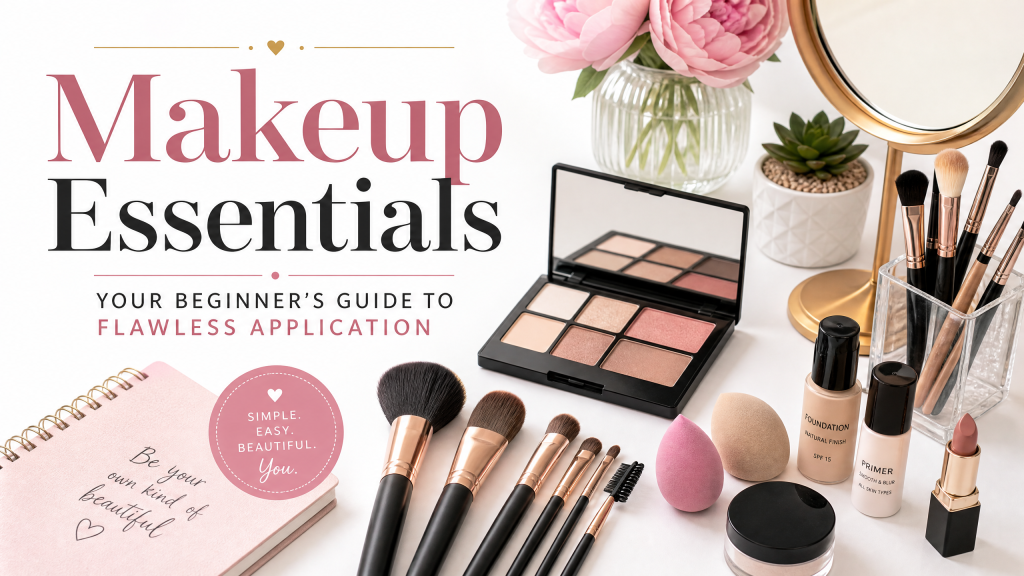
Makeup Essentials: Your Beginner’s Guide to Flawless Application
Jun
Makeup Essentials: Your Beginner’s Guide to Flawless Application
Embarking on the journey of makeup can feel like stepping into a vast, overwhelming labyrinth of products, techniques, and trends. For beginners, the sheer volume of choices—from primers and foundations to concealers, contours, and highlighters—can be daunting. The goal of achieving that coveted “flawless application” often seems out of reach without a clear roadmap.
Fear not! This comprehensive beginner’s guide is designed to demystify the world of makeup, stripping it down to the absolute essentials. We’ll equip you with the knowledge to understand your skin, build a foundational makeup kit, master basic application techniques, and cultivate a routine that enhances your natural beauty with confidence. Say goodbye to confusion and hello to a radiant, polished look that feels uniquely you.
Understanding Your Skin Type: The Foundation of Flawless Makeup
Before you even think about brushes and blushes, the most crucial step in achieving a flawless makeup look is understanding your skin. Your skin type dictates not only which skincare products will work best but also the type of makeup products that will sit well, last longer, and look most natural on you. Ignoring this fundamental step can lead to makeup that cakes, slides, or irritates your skin.
- Oily Skin: Characterized by a shiny appearance, enlarged pores, and a tendency for breakouts. Products that are oil-free, mattifying, and non-comedogenic (won’t clog pores) are your best friends. Look for powder foundations or oil-controlling primers.
- Dry Skin: Often feels tight, flaky, or rough, especially after cleansing. You’ll benefit from hydrating, luminous, and cream-based products. Avoid matte finishes, which can emphasize dryness. Look for moisturizing primers and dewy foundations.
- Combination Skin: A mix of oily and dry areas, typically an oily T-zone (forehead, nose, chin) and drier cheeks. This type requires a balanced approach, perhaps using different products on different areas or opting for formulations that cater to both, like “balancing” or “normalizing” products.
- Normal Skin: The holy grail – balanced, neither too oily nor too dry, with few imperfections. Most products will work well for you, allowing you to focus more on desired finish (matte, dewy, natural).
- Sensitive Skin: Prone to redness, itching, burning, or breakouts. Look for fragrance-free, hypoallergenic, and gentle formulas. Patch testing new products is highly recommended. Mineral makeup can often be a good choice.
Once you’ve identified your skin type, you can make informed decisions about primers, foundations, and powders, ensuring your makeup works with your skin, not against it.
Building Your Essential Makeup Kit: Must-Have Products
You don’t need a professional makeup artist’s arsenal to create a beautiful look. A curated collection of high-quality essentials will serve you far better than a drawer full of unused products. Here’s a breakdown of the core items every beginner needs:
- Primer: The unsung hero! Applied after skincare and before foundation, primer creates a smooth canvas, helps makeup last longer, and can address specific concerns (e.g., mattifying for oily skin, hydrating for dry skin, color-correcting for redness).
- Foundation/BB/CC Cream: This evens out your skin tone.
- BB Cream (Beauty Balm): Lighter coverage, offers hydration, SPF, and a touch of color correction. Great for a natural, everyday look.
- CC Cream (Color Correcting): Similar to BB cream but with more focus on neutralizing redness or sallowness, offering slightly more coverage.
- Foundation: Provides more substantial coverage, ranging from sheer to full. Choose a formula (liquid, cream, powder) and finish (matte, satin, dewy) that suits your skin type and desired look.
- Concealer: Your secret weapon for spot-treating imperfections like dark circles, blemishes, and redness. Choose a shade that matches your foundation for blemishes and one shade lighter for brightening under-eyes.
- Setting Powder: A translucent or skin-toned powder helps to set liquid or cream products, prevent creasing, control shine, and extend wear time. Essential for oily skin, beneficial for all.
- Mascara: Instantly opens up the eyes, making them appear brighter and more awake. Black or brown are classic choices. Look for lengthening, volumizing, or curling formulas based on your lash goals.
- Brow Product: Defined brows frame the face beautifully. Options include pencils, powders, gels, or pomades. A simple brow gel can tame unruly hairs, while a pencil can fill in sparse areas.
- Blush: Adds a healthy flush of color to the cheeks, bringing life and dimension back to your face after foundation. Creams offer a dewy finish, while powders are easy to blend. Choose a shade that mimics your natural flush.
- Lipstick/Lip Gloss/Lip Balm: The finishing touch! Start with a comfortable everyday shade that complements your natural lip color or a clear gloss. As you get more comfortable, explore bolder hues.
- Basic Tools: A good set of brushes makes a world of difference. Start with a foundation brush/sponge, a concealer brush, a powder brush, and a blush brush.
Mastering the Basics: Step-by-Step Application Techniques
Now that you have your essential kit, let’s break down the order and technique for applying your makeup. Remember, practice makes perfect, and less is often more, especially for beginners.
- Skin Preparation: Always start with a clean, moisturized face. This ensures your makeup goes on smoothly and prevents a patchy appearance. Allow moisturizer to fully absorb for a few minutes.
- Primer (Optional but Recommended): Squeeze a pea-sized amount onto your fingertips and gently smooth it over your entire face. Focus on areas where makeup tends to wear off or pores are visible.
- Foundation/BB/CC Cream:
- Dispense a small amount onto the back of your hand.
- Using a damp beauty sponge, foundation brush, or clean fingertips, dot the product onto your forehead, cheeks, nose, and chin.
- Blend outwards from the center of your face, using gentle patting or buffing motions. Ensure seamless blending into your jawline and neck to avoid a harsh line. Build coverage gradually if needed.
- Concealer:
- For under-eye circles: Apply a few dots in an inverted triangle shape under your eyes. Gently pat (don’t rub) with your ring finger or a small brush until blended.
- For blemishes/spots: Dot a tiny amount directly onto the imperfection. Pat lightly to blend the edges into your foundation without removing the coverage from the center.
- Setting Powder:
- Using a fluffy brush, lightly dust translucent powder over your T-zone (forehead, nose, chin) and under your eyes to set concealer.
- For oily skin, you can apply a thin layer over your entire face. Avoid heavy application, which can look cakey.
- Brows:
- Brush your brow hairs upwards and outwards with a spoolie.
- If using a pencil, use light, hair-like strokes to fill in sparse areas, following the natural direction of your brow hairs.
- If using gel, simply brush it through your brows to set them in place.
- Blush:
- Smile gently to find the “apples” of your cheeks.
- Using a blush brush, apply a small amount of blush to the apples of your cheeks and blend upwards towards your temples.
- Start with a light hand; you can always add more.
- Mascara:
- Curl your lashes if desired (optional).
- Wiggle the mascara wand at the base of your upper lashes, then pull it through to the tips. Repeat for a second coat if desired.
- For lower lashes, use the tip of the wand for a light application.
- Lips:
- Apply your chosen lipstick, gloss, or tinted balm directly to your lips.
- Blot with a tissue for a softer look or to remove excess product.
Remember, this is a starting point. Feel free to adjust the order or skip steps based on your personal preferences and the look you’re trying to achieve.
Beyond the Basics: Enhancing Your Look with Simple Additions
Once you’re comfortable with the essentials, you might want to explore a few additional products that can elevate your look without adding excessive complexity. These items aren’t strictly “essentials” but offer wonderful opportunities for creative expression and polished finishes.
- Eyeshadow Palette (Neutrals): A small palette with 3-4 neutral shades (a light highlight, a medium transition, a darker crease color) can create subtle depth and definition for your eyes. Perfect for beginners to experiment with.
- Eyeliner: A simple pencil or gel liner can define the lash line. Brown is softer for daytime, while black offers more drama. Start with a thin line close to your upper lashes.
- Bronzer: Adds warmth and a sun-kissed glow to the face, especially after foundation can make you look a bit flat. Apply lightly to areas where the sun naturally hits: forehead, cheekbones, bridge of the nose, and chin.
- Highlighter: Brings light and dimension to the high points of your face. A subtle shimmer on the cheekbones, brow bone, and cupid’s bow can create a radiant, healthy glow.
- Setting Spray: An extra layer of assurance! Spritzing a setting spray over your finished makeup helps to fuse all the products together, reduce a powdery finish, and lock your look in place for extended wear.
The Benefits of a Thoughtful Makeup Routine
Beyond simply “looking good,” incorporating a thoughtful makeup routine into your daily life offers a surprising array of benefits that extend far beyond aesthetics:
- Boosts Confidence: Even a simple routine can make you feel more put-together, ready to face the day, and more confident in your appearance. This can positively impact your interactions and overall demeanor.
- Enhances Features: Makeup allows you to subtly highlight your best features, whether it’s making your eyes pop, defining your cheekbones, or adding a healthy flush to your complexion.
- Self-Expression: Makeup is a powerful form of self-expression. It allows you to play with color, texture, and style, reflecting your mood, personality, or even cultural identity.
- Self-Care Ritual: Taking a few minutes each day to apply makeup can be a meditative and enjoyable self-care ritual. It’s a moment to focus on yourself before diving into daily demands.
- Skin Protection: Many foundations, BB/CC creams, and even primers now come with SPF, offering an additional layer of protection against harmful UV rays (though not a substitute for dedicated sunscreen).
- Evens Skin Tone: It effectively conceals minor imperfections, redness, and uneven skin tone, creating a smoother, more uniform canvas.
- Professional Appearance: In many professional settings, a polished and well-groomed appearance, often including light makeup, can convey professionalism and attention to detail.
Buying Guide: Choosing the Right Products for You
With an endless array of brands and products, how do you make smart choices that won’t break the bank or disappoint? Here’s a practical guide:
- Know Your Skin Type (Again!): This is paramount. If you have oily skin, avoid dewy, rich foundations. If dry, steer clear of heavily mattifying products.
- Set a Budget: Drugstore brands have come a long way and offer fantastic quality at affordable prices. Don’t feel pressured to buy high-end products initially. Mix and match!
- Read Reviews & Watch Tutorials: Before purchasing, look up reviews from people with similar skin types or concerns. YouTube tutorials can also show products in action.
- Swatch in Natural Light: This is critical for foundation and concealer. Apply a small stripe along your jawline and step outside (or stand by a window) to see how it truly looks. The shade should disappear into your skin.
- Consider Ingredients: If you have sensitive skin, look for “hypoallergenic,” “fragrance-free,” or “non-comedogenic” labels. If you prefer natural or cruelty-free options, research brands accordingly.
- Don’t Be Afraid to Ask for Samples: Many department stores and beauty retailers will provide samples of foundations or skincare, allowing you to try them at home before committing to a full-size purchase.
- Start Small: You don’t need to buy everything at once. Begin with 2-3 essential items and build your collection gradually as you discover what you like and need.
- Check Return Policies: Understand the return policy of where you’re buying from. This provides peace of mind if a product doesn’t work out.
Practical Tips for Longevity and Perfection
Beyond the products and steps, certain practices can elevate your makeup game from good to genuinely flawless.
- Hydrate from Within and Without: Drink plenty of water. A well-hydrated body leads to well-hydrated skin, providing a better canvas for makeup. Also, don’t skip your daily moisturizer.
- Less is More: Especially when starting, applying thin layers of product and building up coverage as needed prevents a cakey or heavy look. It’s easier to add than to remove.
- Blend, Blend, Blend: This cannot be stressed enough. Seamless blending of foundation, concealer, and blush is key to a natural, flawless finish. Use brushes or sponges with light, circular, or patting motions.
- Always Clean Your Brushes: Dirty brushes harbor bacteria, which can lead to breakouts. They also make application streaky and uneven. Wash them weekly with gentle soap and water.
- Match Your Foundation to Your Neck: Your face and neck should be the same shade. If your face is slightly darker or lighter than your neck, choose a foundation that blends seamlessly into your neck.
- Use Good Lighting: Apply your makeup in natural light if possible. Artificial lighting can distort colors, leading to over-application or mismatched shades.
- Don’t Forget Your Ears (Sometimes): If wearing an updo, ensure your foundation blends seamlessly around your ears to avoid a stark contrast.
- Set Your Makeup: A light dusting of setting powder or a mist of setting spray helps lock everything in place, preventing smudging and extending wear time throughout the day.
- Remove Makeup Before Bed: Never, ever sleep with makeup on. It clogs pores, leads to breakouts, and accelerates skin aging. Use a gentle cleanser or makeup remover.
Frequently Asked Questions (FAQ)
Q: How do I find my correct foundation shade?
A: The best way is to swatch 2-3 shades that look close to your skin tone directly onto your jawline. Let them dry for a minute or two, then check them in natural daylight. The shade that disappears into your skin, without leaving a line or looking too light/dark, is your match. Don’t swatch on your hand or arm, as the skin tone there is usually different from your face.
Q: What’s the difference between BB cream, CC cream, and foundation?
A: BB Cream (Beauty Balm) offers light coverage, hydration, and often SPF, for a very natural look. CC Cream (Color Correcting) provides slightly more coverage and focuses on neutralizing redness or sallowness, also often with skincare benefits and SPF. Foundation offers the most varied coverage (sheer to full) and comes in many finishes (matte, dewy, satin) with the primary goal of evening out skin tone.
Q: Do I really need a primer?
A: While not strictly mandatory, a primer can make a significant difference, especially for beginners. It creates a smooth canvas, helps makeup adhere better and last longer, and can address specific concerns like oiliness, dryness, or large pores. If you find your makeup fading quickly or looking patchy, a primer might be the missing link.
Q: How often should I clean my makeup brushes?
A: For optimal hygiene and application, face brushes (foundation, concealer, powder, blush) should ideally be cleaned once a week. Eye brushes can be cleaned every 1-2 weeks. Spot clean daily with a brush cleaning spray for quick maintenance between deep washes.
Q: Is expensive makeup always better?
A: Not necessarily! While some high-end products offer unique formulations or luxury experiences, many drugstore brands produce excellent quality makeup that performs just as well, if not better, than their pricier counterparts. The key is to find products that work for your skin type and preferences, regardless of the price tag.
Conclusion
Congratulations, budding beauty enthusiast! You’ve successfully navigated the initial complexities of makeup essentials and application. Remember, makeup is a tool for enhancement and self-expression, not a mask. The goal isn’t perfection, but rather finding what makes you feel confident and beautiful in your own skin.
Start with these core essentials and fundamental techniques. Practice regularly, experiment with different products and colors, and most importantly, have fun with it! Your makeup journey is a personal one, and with this guide, you now have the foundational knowledge to confidently create your own flawless looks, one brush stroke at a time.
“`
“`
