Post
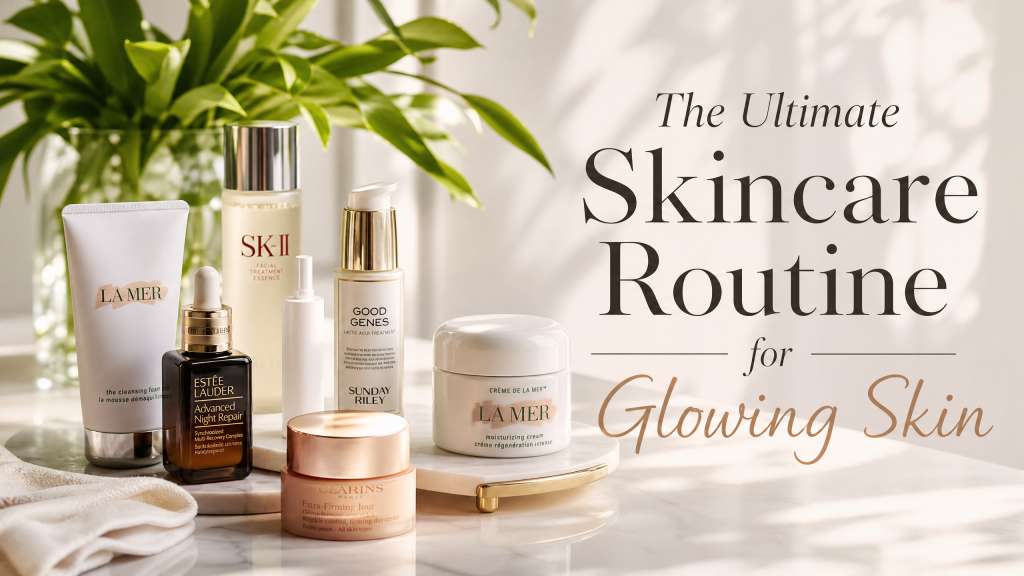
The Ultimate Skincare Routine for Glowing Skin
Jun
The Ultimate Skincare Routine for Glowing Skin
Achieving truly glowing skin isn’t just about genetics or expensive products; it’s about understanding your skin and committing to a consistent, tailored skincare routine. In a world saturated with countless products and fleeting trends, it can feel overwhelming to navigate the path to a radiant complexion. This comprehensive guide is designed to cut through the noise, providing you with a clear, actionable roadmap to unlock your skin’s full potential.
From identifying your unique skin type to mastering the fundamental steps of daily care, incorporating potent treatments, and understanding the profound impact of lifestyle choices, we’ll equip you with the knowledge to build an ultimate skincare routine that delivers lasting results. Prepare to transform your approach to skincare and reveal the healthy, vibrant glow you’ve always dreamed of.
Understanding Your Skin Type: The Foundation of Any Routine
Before you even think about products, the single most critical step in building an effective skincare routine is identifying your skin type. Using products formulated for the wrong skin type can lead to irritation, breakouts, or simply a lack of results. Here’s a quick guide to help you determine where you stand:
Normal Skin
Balanced, neither too oily nor too dry. It has fine pores, good circulation, and a soft, smooth texture. You might experience occasional dryness or oiliness in extreme weather.
Oily Skin
Characterized by excess sebum production, leading to a shiny or greasy appearance, especially in the T-zone (forehead, nose, chin). Enlarged pores, blackheads, and acne breakouts are common.
Dry Skin
Often feels tight, flaky, or rough. It produces less sebum than normal skin, leading to a lack of natural oils needed to keep it soft. Fine lines are more noticeable, and it can be prone to irritation.
Combination Skin
A mix of two or more skin types. Typically, the T-zone is oily, while the cheeks and other areas are normal or dry. This requires a balanced approach to skincare.
Sensitive Skin
Prone to redness, itching, burning, or dryness when exposed to certain ingredients or environmental factors. It requires gentle, fragrance-free products.
Once you understand your skin type, you can make informed choices about cleansers, moisturizers, and treatments that will truly benefit your complexion.
The Core Elements of a Daily Skincare Routine
A consistent daily routine, performed both morning and night, is the backbone of glowing skin. Each step plays a crucial role in cleansing, treating, and protecting your skin.
Step 1: Cleansing (Morning & Night)
This is where it all begins. A gentle cleanser removes impurities, makeup, and excess oil without stripping your skin’s natural moisture barrier.
- Morning: A quick cleanse removes overnight buildup and preps skin.
- Night: A thorough cleanse is essential to remove makeup, pollution, and dirt accumulated throughout the day. Consider a double cleanse (oil-based first, then water-based) if you wear heavy makeup or SPF.
Step 2: Toning (Morning & Night, Optional)
Modern toners are far from the harsh, alcohol-laden astringents of the past. Today’s toners are designed to hydrate, balance pH, and deliver active ingredients, preparing your skin for subsequent products.
- Look for hydrating toners with ingredients like hyaluronic acid, rose water, or ceramides.
- Avoid toners with high alcohol content if you have dry or sensitive skin.
Step 3: Serums & Treatments (Morning & Night)
Serums are potent formulations packed with concentrated active ingredients designed to target specific concerns.
- Morning: Vitamin C serum is an excellent antioxidant that brightens skin, protects against environmental damage, and boosts collagen.
- Night: This is the ideal time for reparative treatments like retinoids (Vitamin A derivatives) to boost cell turnover and address fine lines, or hyaluronic acid for intense hydration. Niacinamide (Vitamin B3) is versatile for both AM/PM, addressing redness and pores.
Step 4: Moisturizing (Morning & Night)
Regardless of your skin type, moisturizing is non-negotiable. It locks in hydration, strengthens the skin barrier, and keeps skin soft and supple.
- Choose a lightweight, gel-based moisturizer for oily skin.
- Opt for richer creams with ceramides or shea butter for dry skin.
- Sensitive skin benefits from fragrance-free, hypoallergenic formulas.
Step 5: Sun Protection (Morning Only)
The single most important anti-aging and skin health step. Daily SPF protects your skin from harmful UV rays, preventing premature aging, hyperpigmentation, and skin cancer.
- Use a broad-spectrum sunscreen with at least SPF 30.
- Apply generously as the last step in your morning routine, before makeup.
Weekly Boosters: Elevating Your Glow
While daily steps maintain skin health, incorporating weekly boosters can accelerate your journey to glowing skin by addressing specific concerns and enhancing radiance.
Exfoliation (1-3 times a week)
Exfoliation removes dead skin cells, revealing brighter, smoother skin underneath, and allowing your other products to penetrate more effectively.
- Chemical Exfoliants: AHAs (glycolic, lactic acid) brighten and improve texture; BHAs (salicylic acid) penetrate oil to clear pores. Start with lower concentrations and gradually increase.
- Physical Exfoliants: Gentle scrubs (with fine, rounded particles) can be used, but avoid harsh scrubs that can cause micro-tears.
Masks (1-2 times a week)
Face masks are an excellent way to deliver a concentrated boost of ingredients tailored to your needs.
- Hydrating Masks: For dry or dehydrated skin, look for ingredients like hyaluronic acid, glycerin, or aloe vera.
- Clay/Charcoal Masks: Ideal for oily or acne-prone skin to absorb excess oil and purify pores.
- Brightening Masks: Contain ingredients like Vitamin C, niacinamide, or fruit enzymes to enhance radiance.
Targeted Treatments
Depending on your specific concerns, you might incorporate other treatments:
- Eye Creams: Delicate skin around the eyes benefits from dedicated formulas to address fine lines, dark circles, or puffiness.
- Spot Treatments: For occasional breakouts, salicylic acid or benzoyl peroxide can be applied directly to blemishes.
The Transformative Benefits of a Consistent Skincare Routine
Adhering to a well-structured skincare routine offers a multitude of benefits that go far beyond superficial aesthetics:
Radiant & Even Complexion
Regular exfoliation and targeted treatments (like Vitamin C) help to remove dead skin cells and reduce hyperpigmentation, leading to a brighter, more uniform skin tone and a natural glow.
Improved Skin Health & Barrier Function
A consistent routine with proper cleansing, moisturizing, and protective measures strengthens your skin’s natural barrier, making it more resilient against environmental aggressors, pollution, and irritants.
Reduced Appearance of Imperfections
Targeted ingredients can minimize the appearance of acne, blackheads, redness, and enlarged pores, leading to clearer, smoother skin.
Delaying Signs of Aging
Through daily SPF, antioxidants (like Vitamin C), and cell-renewing ingredients (like retinoids), a consistent routine actively combats the formation of fine lines, wrinkles, and age spots, maintaining youthful elasticity.
Better Product Absorption
By regularly cleansing and exfoliating, your skin is primed to better absorb the active ingredients from your serums and moisturizers, maximizing their effectiveness.
Boosted Confidence & Well-being
The noticeable improvements in your skin’s texture and appearance can significantly enhance self-esteem. Moreover, the act of performing a routine can be a calming, self-care ritual, contributing to overall mental well-being.
Lifestyle Factors: Beyond the Bottle
Your skincare products are only part of the equation. What you put into your body and how you live your life significantly impacts your skin’s health and glow.
Nutrition: Fuel Your Skin from Within
A diet rich in fruits, vegetables, whole grains, and lean proteins provides essential vitamins, minerals, and antioxidants that protect skin cells and support collagen production.
- Antioxidants: Berries, leafy greens, green tea combat free radical damage.
- Omega-3 Fatty Acids: Salmon, flax seeds, walnuts reduce inflammation and maintain skin barrier integrity.
- Vitamin C: Citrus fruits, bell peppers aid in collagen synthesis.
Hydration: Drink Your Way to Radiance
Adequate water intake keeps your skin plump, elastic, and helps flush out toxins. Aim for at least 8 glasses of water a day, more if you’re active.
Sleep: The Ultimate Beauty Treatment
During sleep, your body repairs itself, including your skin. Lack of sleep can lead to dullness, dark circles, and exacerbate existing skin issues. Aim for 7-9 hours of quality sleep nightly.
Stress Management: Mind Your Skin
Chronic stress can trigger hormonal imbalances, leading to breakouts, inflammation, and dull skin. Incorporate stress-reducing activities like meditation, yoga, exercise, or hobbies into your daily life.
Exercise: Boost Circulation
Regular physical activity increases blood flow, which brings oxygen and nutrients to the skin while carrying away waste products, contributing to a healthy glow. Remember to cleanse your face post-workout!
Building Your Arsenal: A Skincare Buying Guide
Navigating the vast world of skincare products can be daunting. Here’s how to make smart choices for your ultimate routine:
Identify Key Ingredients for Your Concerns
Knowledge is power. Research ingredients that target your specific issues:
- Acne: Salicylic Acid, Benzoyl Peroxide, Niacinamide, Retinoids.
- Dryness/Dehydration: Hyaluronic Acid, Glycerin, Ceramides, Squalane, Shea Butter.
- Aging/Fine Lines: Retinoids, Vitamin C, Peptides, AHAs.
- Dullness/Hyperpigmentation: Vitamin C, AHAs, Niacinamide, Arbutin.
- Sensitivity: Aloe Vera, Centella Asiatica, Ceramides, Oat Extract.
Read Labels Carefully
Don’t fall for marketing hype. Look at the ingredient list. Ingredients are listed in order of concentration. The top five ingredients make up the bulk of the product.
- “Non-comedogenic”: Won’t clog pores.
- “Fragrance-free”: Good for sensitive skin.
- “Hypoallergenic”: Less likely to cause allergic reactions.
Start Simple and Introduce Gradually
Don’t overhaul your entire routine at once. Introduce new products one at a time, giving your skin a few weeks to adjust. This helps you identify what works and what causes irritation.
Patch Test New Products
Before applying a new product all over your face, test a small amount on an inconspicuous area (like behind your ear or on your inner arm) for 24-48 hours to check for adverse reactions.
Consider Your Budget (But Don’t Compromise Quality Entirely)
Effective skincare doesn’t always mean expensive. There are fantastic affordable options. Prioritize spending on actives (serums, treatments) and SPF, where concentration matters most. Cleansers and moisturizers can often be found at more accessible price points.
Seek Professional Advice
If you have persistent skin concerns, severe acne, or aren’t sure where to start, consult a dermatologist. They can provide personalized recommendations and prescription treatments.
Practical Tips for Maximizing Your Skincare Results
Beyond the products and steps, these habits will supercharge your routine’s effectiveness:
Consistency is Key
Skincare is a marathon, not a sprint. Daily dedication, even when you’re tired, is crucial for long-term results.
Listen to Your Skin
Pay attention to how your skin reacts. If something causes redness, burning, or breakouts, stop using it. Your skin’s needs can also change with seasons, age, or stress.
Don’t Overdo It
More is not always better. Over-exfoliating or using too many active ingredients can damage your skin barrier, leading to irritation and sensitivity.
Apply Products in the Correct Order
Generally, apply products from thinnest consistency to thickest. This ensures proper absorption of potent active ingredients before heavier creams create a barrier.
Clean Your Skincare Tools
Regularly wash makeup brushes, sponges, and anything that touches your face to prevent bacterial transfer.
Don’t Forget Your Neck and Décolletage
These areas often show signs of aging first but are frequently neglected. Extend your skincare routine down to these areas.
Be Patient
It takes time for skin cells to renew and for products to show results. Give new routines or products at least 4-6 weeks before expecting significant changes.
Frequently Asked Questions About Skincare Routines
Q: How long until I see results from a new skincare routine?
A: Patience is crucial. You might notice small improvements in texture and hydration within a few weeks, but significant changes, especially for concerns like acne, hyperpigmentation, or anti-aging, can take 4-12 weeks or even longer, depending on the product and consistency of use.
Q: Is it necessary to use products from the same brand?
A: No, absolutely not! Mixing and matching products from different brands allows you to choose the best formulations and ingredients for each step of your routine, tailored to your specific needs. Focus on ingredients and efficacy rather than brand loyalty.
Q: Can men benefit from a skincare routine too?
A: Absolutely! Men’s skin also needs cleansing, moisturizing, and sun protection. Concerns like razor burn, ingrown hairs, and oiliness can be effectively addressed with a simple yet consistent routine.
Q: What’s the biggest mistake people make with their skincare routine?
A: One of the biggest mistakes is inconsistency. Skipping steps, especially SPF, or not committing to the routine daily will significantly hinder results. Another common error is overloading the skin with too many active ingredients too quickly, leading to irritation.
Q: Do I really need an eye cream?
A: The skin around your eyes is thinner and more delicate, making it more prone to dryness, fine lines, and puffiness. While a good facial moisturizer can suffice for some, a dedicated eye cream formulated with specific ingredients (like peptides for fine lines or caffeine for puffiness) can offer targeted benefits that your regular moisturizer might not.
Conclusion
Embarking on the journey to glowing skin is a rewarding commitment that blends science, self-care, and consistency. By understanding your unique skin type, diligently following the core steps of cleansing, treating, and protecting, and embracing weekly boosters, you lay a solid foundation for a radiant complexion. Remember that true skin health extends beyond topical applications; a holistic approach incorporating nourishing nutrition, adequate hydration, restful sleep, and stress management will amplify your results.
Building your ultimate skincare routine is a dynamic process of listening to your skin, being patient, and making informed choices. With the insights provided in this guide, you are now equipped to curate a regimen that not only addresses your current concerns but also empowers your skin to glow from within. Embrace the ritual, enjoy the process, and get ready to reveal your most radiant, healthy self.
